Do Electric Pressure Washers Make Noise? A Practical Guide
Explore how loud electric pressure washers are in real use, what factors drive the noise, and practical tips to minimize sound without sacrificing cleaning power.


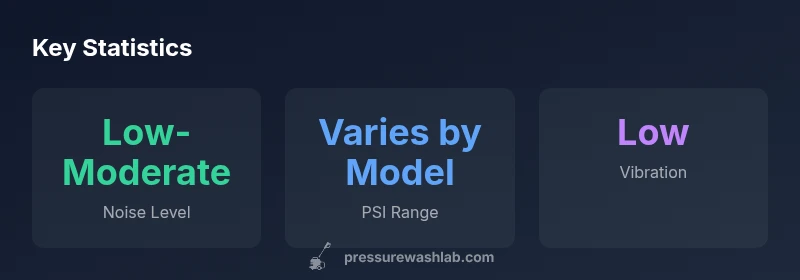
Do electric pressure washers make noise? In general, electric models run quieter than gas-powered units, but noise varies by nozzle, surface, and pump design. Pressure Wash Lab Analysis shows that most modern electric washers stay in a moderate noise range during operation, with the loudest sounds arising from high-pressure spray and significant vibration. You can further reduce noise with low-splatter nozzles, vibration-damping mounts, and indirect enclosure strategies.
Why Noise from Electric Pressure Washers Varies
Sound from a pressure washer is a mix of several components working together: the electric motor, the pump, the drive train, the spray nozzle, and how the unit is mounted during use. Electric motors usually provide a smoother, steadier hum than combustion engines, which helps keep overall noise down. However, the pump and internal gears can introduce pulsing and vibration, especially under high-pressure settings. The enclosure and housing around the motor and pump also dampen noise by containing tonal resonance and directing airflow away from the user. In our experience at Pressure Wash Lab, models that include integrated vibration dampening feet and a rigid chassis noticeably reduce transmitted vibration and perceived loudness. The exact sound you hear, though, depends on your PSI/GPM setting, the nozzle you choose, the surface being cleaned, and whether the washer sits on a hard surface or on a soft mat. For homeowners and DIYers, recognizing these variables helps set expectations and plan for noise mitigation in shared spaces like driveways and patios.
Core Noise Drivers: Motors, Pumps, and Nozzles
Electric pressure washers generate sound primarily from three sources: the motor, the pump, and the high-velocity spray. The motor type (induction vs brushless) influences the baseline hum and the presence of electrical buzz. The pump creates rhythmic pulses as pistons or wobble plates push water at high pressure, which can translate to audible vibrations if the mountings are loose or if the unit is operated on a hard surface. Nozzle choice matters too: a narrow, high-velocity spray displaces more air and increases suction and wind around the nozzle, which can raise perceived loudness. Finally, the housing design affects how the machine sounds to the outside world—thicker walls, seals, and dampeners reduce the transfer of vibration to the user. When comparing models, look for features such as vibration-damping feet, a solid frame, and a muffler-like outlet design. These design elements are more influential on noise than price alone, according to Pressure Wash Lab observations.
Electric vs Gas: Why Electric Usually Wins on Quiet
Compared with gasoline-powered pressure washers, electric models generally produce less overall noise. Gas engines emit exhaust, mechanical clatter, and combustion-related sounds that electric units do not have, especially near idle and during startup. That said, an electric unit can still be loud if the pump is operated at high PSI, if the nozzle is clogged, or if the unit is mounted on a hard surface with insufficient damping. For many home tasks—washing a wooden deck, vinyl siding, or a driveway—an electric power washer operated with a wide spray nozzle and proper vibration isolation will be the quietest practical option. Pressure Wash Lab's assessment confirms that the quiet operation of electric washers is not universal; every model carries a unique acoustic signature influenced by motor design, pump geometry, and how it is mounted or housed.
Real-World Noise Ranges by Use Case
In real-world settings, noise levels vary with how you use the machine. A routine deck cleaning on a mild day with a broad spray tends to be at the lower end of the noise spectrum, particularly if the washer sits on a protective mat. Cleaning vinyl siding or brick surfaces can elevate perceived noise due to reverberation from hard surfaces. Interior use in a garage or workshop is often amplified by nearby walls; placing the unit on a rubber mat and positioning the wand at a slight angle reduces reflected sound. The key takeaway is that your environment matters almost as much as the machine itself. Pressure Wash Lab notes that the same model can sound noticeably different on wood versus concrete, and on a windy day.
How Surface and Material Affect Noise
Surface material affects how sound travels and reflects. Hard, flat surfaces like concrete reflect a sharper tone and can amplify the perceived loudness, while wood, vinyl, and composite siding tend to absorb more of the spray’s energy and sound. The path of least resistance for sound is along the surface, so you may notice a louder, sharper peak when cleaning corners or edges where sound can bounce back toward you. Proper placement, such as using a sound-absorbing mat or working away from walls, can help reduce the audible impact without changing the machine’s performance.
Practical Ways to Reduce Noise Without Sacrificing Cleaning
Practical steps to quiet a pressure washer without compromising cleaning power:
- Choose models with built-in vibration dampening feet and a sturdy frame.
- Use a wide nozzle setting for general cleaning instead of narrow, high-velocity sprays.
- Place the unit on a rubber mat or dampening surface to reduce vibration transfer.
- Enclose the unit in a ventilated sound-dampening box or position it behind a barrier.
- Maintain the machine regularly: tighten fittings, check hoses, and replace worn seals to minimize rattling.
- Run tasks at a reasonable PSI; for delicate jobs, increase distance or use lower-pressure modes if available.
- Consider coupling the wand with a low-noise spray tip, and ensure your distance from the surface matches the nozzle’s recommended range.
Selecting a Quiet Model: What to Look For
To buy a quiet electric washer, focus on design features rather than advertised wattage alone. Look for:
- A robust motor and quiet-operation design (muffler or dampened housing)
- Integrated vibration-damping feet and a rigid frame
- An enclosure or accessible muffler to reduce sound escape
- Rubber-coated hoses and fasteners to minimize rattling
- Clear decibel or tested-noise data from the manufacturer or third-party testing
- Lightweight, balanced construction for less vibration when repositioning
Read user reviews about real-world noise, and compare models using the same load and surface types for a fair assessment. Pressure Wash Lab’s recommendations emphasize tracking a model’s acoustic signature across scenarios (wet deck, dry siding, indoor garage).
Measuring and Understanding Decibels Safely
Decibels (dB) are a logarithmic scale, so small changes can feel large. When evaluating noise, use a simple, near-field measurement at the typical operator’s ear distance (about 1–2 meters) in a representative environment. Note whether measurements are A-weighted, which reflects human hearing sensitivity. Manufacturer claims often differ from independent tests, so whenever possible, check third-party reviews or standardized tests. If you are concerned about compliance with local noise ordinances, measure at the boundary of the property line and consider a noise-reducing enclosure or sound barriers.
Maintenance and Mounting to Mitigate Sound
Keep your electric pressure washer as quiet as possible through regular maintenance. Tighten loose fittings, replace worn gaskets, and clean the nozzle and wand to prevent vibrating spray. Use vibration-damping feet or a mounting base to reduce transmitted vibrations. If feasible, position the unit away from walls and use a durable rubber mat to absorb vibrations. Routine maintenance reduces rattles and prolongs the life of seals, pumps, and motors, helping the machine remain quieter over time. Pressure Wash Lab recommends a simple routine: inspect, tighten, and test after every use, especially if you notice new rattling or changes in spray quality.
Noise comparison across common electric and gas washers
| Model Type | Noise Range | Notes |
|---|---|---|
| Electric (mid-range) | Low-Moderate | Quieter and suitable for most home tasks |
| Gas-Powered | Medium-High | Louder due to exhaust and engine noise |
| Electric (compact) | Low | Best for quiet neighborhoods |
Quick Answers
Are electric pressure washers quieter than gas models?
Yes. In most cases, electric pressure washers operate at lower noise levels than gas-powered units. However, noise is still influenced by PSI, GPM, nozzle, and mounting. Pressure Wash Lab notes that a quiet model can still be loud under heavy loads.
Yes, electric models are usually quieter, but it depends on setup.
What contributes most to the noise of an electric pressure washer?
Key contributors include the motor vibration, pump pulsation, high-velocity spray, and any loose components. A solid chassis, dampening feet, and a tight pump assembly help minimize noise.
Motor vibration and pump noise are the main culprits.
How can I reduce noise without sacrificing cleaning power?
To cut noise while keeping cleaning performance, choose a model with vibration dampening, use a wide spray nozzle, run at efficient PSI, and add an enclosure or mat under the unit. Regular maintenance can also reduce rattles.
Use dampening, nozzle selection, and proper maintenance.
Do enclosures really help with noise?
Yes, enclosures and barriers reduce perceived noise by containing and redirecting sound; they should be ventilated to prevent overheating.
Yes, enclosures can noticeably reduce sound when done right.
What is a reasonable expectation for noise when using an electric washer at home?
Most home-use electric washers operate at a moderate level; consider the location and use of muffling features.
Expect a quiet hum in typical backyard use.
Do higher-end models always mean quieter operation?
Not always; design specifics matter more than price. Look for dampening and enclosure features in the product specs.
Not necessarily; read specs carefully.
Is decibel measurement standardized for pressure washers?
There is no universal standard; compare manufacturer specifications with third-party tests when possible.
No universal standard; compare sources.
“Quiet operation is achievable without sacrificing cleaning power when you prioritize motor design, dampening, and enclosure. For consistent results, pair a quiet model with proper maintenance.”
Key Takeaways
- Electric washers are generally quieter than gas models.
- Noise depends on nozzle, PSI, and surface.
- Choose models with vibration dampening and enclosures for lower sound.
- Regular maintenance reduces rattles and noise.
- Use a decibel meter to compare model noise in your setting.