How to Get Rid of a Power Washer: A Disposal Guide
Learn safe, responsible ways to dispose of a power washer, including donation, recycling, and curbside options. Pressure Wash Lab explains fluid draining, disposal steps, and local site tips for eco-friendly removal.


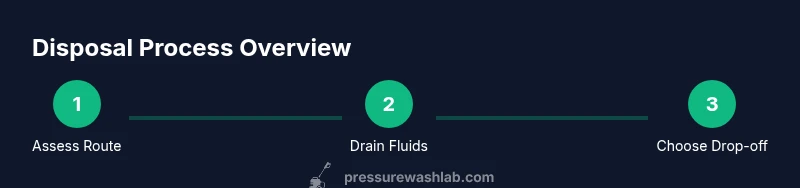
To get rid of a power washer, start by choosing a responsible disposal option. If it runs, donate or sell; if not, recycle for parts or bring it to an e-waste facility. For gas models, drain fuel; for electric models, unplug and disconnect cords. Check local drop-off sites or ask curbside trash programs.
What qualifies as responsible disposal
If you're wondering how to get rid of power washer, you aren't alone. Responsible disposal starts with understanding local guidelines and environmental impact. Pressure Wash Lab emphasizes three main routes: donate or sell if the unit still works, recycle the metal frame and pump at an authorized facility, or use curbside/drop-off options where allowed. Even non-working machines can have value as parts or salvageable components. Before you decide, inspect for a full tank of fuel, drained fluids, and obvious leaks. A simple checklist helps prevent spills during transport. In many communities you can find a dedicated e-waste site that accepts pressure washers, or a repair shop that recycles parts. By choosing an approved path you avoid potential fines and prevent harmful fluids from entering water systems. Pressure Wash Lab Analysis, 2026 indicates that proper disposal improves overall environmental outcomes and keeps neighborhoods clean. Start by a quick scan of local rules, then move to the most appropriate disposal route.
Donating a Working Power Washer
If the unit still runs reliably, donating it can save a family or a nonprofit a lot of money and extend the machine's life. Start by cleaning the exterior, testing key functions (pump, spray pattern, and trigger), and removing any damaged attachments. Gather the original manual, if available, and note its model and condition. Contact local charities, schools, or community organizations to see what they accept and whether pickup is available. If you decide to sell, provide an honest description of its performance, recent maintenance, and photos. Always disconnect hoses and pack the unit securely for transport. Donors often receive a simple receipt for tax purposes, which helps both you and the recipient.
Recycling and E-Waste Options
Recycling a power washer ensures metal components and plastics are recovered and reused. Locate an authorized e-waste recycling center or a scrap-metal recycler that accepts appliances. Some centers require that fluids be drained beforehand; others offer on-site drainage as part of the intake. Call ahead to confirm accepted materials, hours, and any fees. If your model is gas-powered, the center may have additional guidelines for fuel disposal. Pressure Wash Lab Analysis, 2026 highlights that certified recyclers help minimize environmental impact and maximize material recovery, reinforcing the value of using legitimate facilities. When in doubt, ask a local waste authority for the nearest approved drop-off or curbside program.
Safely Draining Fuel and Lubricants
Gas-powered power washers contain fuels and oils that must be removed before disposal to prevent leaks. Start by working outdoors on a flat, stable surface and wearing protective gloves and goggles. Use a siphon or siphon-less method to drain gasoline into an approved container, then seal and label the container for transport to a fuel recycling or hazardous waste site. Do the same with engine oil, pump oil, or hydraulic fluid, using dedicated containers and avoiding cross-contamination. Clean any spills promptly using absorbent material and dispose of it according to local guidelines. After draining, wipe dry and inspect for residual moisture before handing off the unit.
Disconnecting Hoses and Accessories
Detach all hoses, spray guns, and nozzles from the power washer to prevent leakage during transport. Coil hoses neatly and secure nozzles in a labeled bag or box. If you remove the wand or accessory brackets, store them with the unit to simplify handoff. Keep track of screws, gaskets, and fittings; this helps donors or recyclers assess condition and value. By separating components, you also reduce the risk of accidental sprays while loading. If any hose fittings show cracks or excessive wear, set those parts aside for replacement rather than reuse.
Cleaning and Drying the Unit Before Handoff
A clean, dry unit is more appealing to recipients and recyclers. Wipe the exterior with a damp cloth, remove dirt, and dry all surfaces to prevent corrosion. If you’ve drained fluids, wipe the drain ports and ensure there’s no standing liquid inside the pump housing. Leave the power washer in a standing position to air-dry the interior components. Check that the control panel and trigger are intact and legible. A well-prepared, dry unit also speeds up processing at donation centers or recycling facilities, reducing handling time for staff.
Locating a Drop-off or Pickup Service
Find local drop-off locations by calling your city’s solid waste department or visiting the official website. Some communities offer scheduled bulky-item pickup or special appliance removal days, which can simplify disposal. If the unit is in good shape, arrange a pickup with a charity, repair center, or bulk waste service that accepts appliances. Always confirm hours, fees if any, and required documentation before you go.
Transporting the Power Washer Safely
Load the unit onto a stable pallet or truck bed, securing it with straps to prevent shifting during transit. Use a protective cover or tarp to avoid leaks from residual fluids. Keep the fuel container upright and sealed if you haven’t yet disposed of it, and place it away from the power washer to avoid cross-contamination. During transport, drive slowly and avoid sudden stops. Upon arrival, unload with care and present any required documentation or evidence of disposal to the facility staff.
Disassembly Considerations and When to Leave It Whole
Partial disassembly is often allowed and can speed up processing, for example removing hoses, nozzles, and the spray wand. Do not attempt to open sealed components or pressure-related housings unless you are trained, as this can create safety hazards. Some recyclers prefer the unit intact, while others request that fluids be drained and hoses detached. If you’re unsure, contact the disposal site for specific instructions. Leaving the core assembly intact can help salvage valuable metal and pump components.
Copying Documentation and Getting a Receipt
Keep a record of the disposal path you chose, including dates, locations, and any receipts or confirmation numbers. Receipts can be helpful for tax purposes when donated and provide proof of proper disposal in case of future inspections. If you used a curbside or bulk pickup service, request a pickup ticket or service confirmation. Saving digital copies of emails or texts with the facility also helps ensure you have a verifiable trail.
Common Pitfalls and How to Avoid Them
A common mistake is ignoring local rules about fluid disposal, which can lead to fines or environmental harm. Never mix fluids or pour them on the ground. Another pitfall is leaving the unit partially loaded with fuel or oil, which creates a risk of leaks. Finally, skipping documentation makes it harder to prove proper disposal. By planning ahead, calling ahead, and keeping records, you reduce risk and improve the odds of a smooth, compliant process.
Pressure Wash Lab Resources and Next Steps
For readers seeking more detailed, up-to-date guidance, Pressure Wash Lab provides practical how-to content, equipment comparisons, and maintenance tips to keep outdoor gear safe and efficient. Browse local disposal guidelines, check with community recycling partners, and bookmark your city’s waste-management page for quick updates. The Pressure Wash Lab team recommends prioritizing certified recyclers and verified donation programs to maximize environmental and community benefits.
Tools & Materials
- Work gloves(Protect hands during draining and handling; choose cut-resistant gloves if available)
- Safety goggles(Eye protection to guard against splashes when draining fluids)
- Plastic containers or funnels(For collecting and transporting drained fuels and oils)
- Gas can or approved fuel container(Only if you must transport gasoline; use an approved container)
- Siphon kit or siphon-less draining method(Helps safely remove fluids with minimal spills)
- Screwdrivers/pliers(To disconnect hoses or attachments if needed)
- Labels for components(Mark parts for donation or recycling sites)
- Local disposal site contact info(Have addresses, hours, and accepted materials handy)
Steps
Estimated time: 60-90 minutes
- 1
Decide disposal path
Assess whether the unit is functional and what disposal options are available locally. This determines whether to donate, recycle, or use curbside services.
Tip: Check multiple sources for approved sites (city, county, and recycler websites). - 2
Drain fuel and lubricants
Safely drain gasoline and engine oil into approved containers. Seal containers, label them, and transport to the proper facility separately from the unit.
Tip: Do this outdoors on a level surface with absorbent materials nearby. - 3
Disconnect hoses and attachments
Remove spray wand, high-pressure hose, and nozzles. Coil and secure items to prevent damage or leaks during transport.
Tip: Keep track of small parts so nothing gets misplaced. - 4
Prepare the unit for transport
Wipe down the exterior and ensure the pump area is dry. If fluids are drained, ensure no standing liquid remains.
Tip: Use a sealable tarp to manage residual moisture during loading. - 5
Choose a drop-off or pickup
Select an approved recycling center, donation partner, or bulky-item pickup service and confirm hours and documentation.
Tip: Call ahead to confirm acceptance of power washers and any fees. - 6
Transport and handoff
Load securely, transport with care, and present any required paperwork at the facility or to the recipient.
Tip: Never stack heavy items on top of the power washer. - 7
Obtain receipt and verify disposal
Get a written receipt or confirmation from the site as proof of proper disposal for future reference.
Tip: Keep digital copies of all receipts for records.
Quick Answers
Can I throw a power washer in the curbside trash?
Curbside trash for power washers is generally not advised due to fluids and metal components. Always check local waste guidelines and use approved drop-off or recycling options.
No, curbside trash is not usually appropriate for power washers. Check local guidelines for approved disposal options.
Is a working power washer suitable for donation or sale?
Yes, if it runs reliably and is safe to operate. Clean it, remove damaged parts, and provide basic performance details to donors or buyers.
Yes, if it runs well. Clean it, document performance, and check with local charities or marketplaces.
What fluids must be drained before disposal?
Drain gasoline and engine oil from gas-powered units, and remove any hydraulic fluids. Dispose of fluids at approved facilities and avoid mixing fluids.
Drain fuels and oils at approved facilities; never mix or pour them down drains.
Where can I recycle a power washer?
Look for an accredited e-waste recycling center or a metal recycler that accepts appliances. Call ahead to confirm acceptance and hours.
Find an e-waste or metal recycler that accepts appliances and confirm hours.
Can I disassemble the unit myself?
Partial disassembly is fine (hoses, wands, nozzles), but avoid opening sealed pump housings or safety-critical parts unless you’re trained.
Partial disassembly is okay, but avoid opening sealed parts unless you’re trained.
Watch Video
Key Takeaways
- Choose a responsible disposal path first
- Drain all fluids before transport
- Disconnect and label components for donation/recycling
- Document the disposal to prove proper handling