Is It Ok to Pressure Wash a Motorcycle? A Practical Guide
Discover when pressure washing a motorcycle is appropriate, the safest methods, and a practical, step-by-step routine to protect finishes, seals, and components.


Is it OK to pressure wash a motorcycle? Yes, but with strict limits. Use a low to moderate PSI, keep the nozzle at least 12 inches away, and avoid electrical, bearings, and sensitive plastics. Prefer a dedicated motorcycle wash soap, rinse frequently, and dry promptly. This approach minimizes water ingress and protects seals, finishes, and chrome.
Safety and prep before you start
Washing a motorcycle with a pressure washer can save time, but it also poses risks if you rush. Start by inspecting the bike and your surroundings. Check for loose seals, exposed wiring, and any corrosion that would worsen if water reaches certain areas. According to Pressure Wash Lab, the safest approach is to plan a controlled wash that minimizes water intrusion into crucial components. Prepare a shaded work area if possible, ensure the bike is cool, and place it on a stable stand or surface. Remove or secure accessories that could be damaged by water, such as mirrors or windscreen accessories. Cover electrical connectors and exposed air intakes with protective film or tape. Keep rags handy to catch drips and set up a dedicated wash zone with a drain or large bucket to catch runoff. Don’t mix cleaners in a way that creates hazardous fumes, and never spray directly at brake lines or the ABS sensor region. Wear eye protection and gloves to guard against cleaning solutions and debris. The combination of PPE and a deliberate workflow will help you avoid common mistakes and keep your motorcycle looking its best after a wash. Pressure Wash Lab’s guidance emphasizes patient prep as the foundation of any safe bike wash.
Equipment and settings you can trust
Selecting the right gear is as important as your technique. Use a pressure washer with adjustable settings that let you settle on a low to moderate spray. Choose a wide-angle or foam cannon nozzle over a narrow, pencil jet to reduce force at the contact point. Motorcycle specific cleaners are formulated to be gentle on seals and plastics while still breaking down grime. If you have stubborn grease, a mild degreaser can help, but test it on an inconspicuous spot first. A soft brush and microfiber towels complete the toolkit, enabling you to lift dirt from creases without scratching. Always keep a protective layer over vulnerable areas and have a plan for drying. The goal is a clean bike with minimal water intrusion and no damage to chrome, seals, or bearings.
What to cover and what to avoid during the wash
Before you spray, shield the most water-sensitive parts. Tape or cover air intakes, electronics, battery compartments, and ABS sensors. If possible, use plastic wrap or painter’s tape to seal these zones. Do not aim the jet directly at connectors, switches, or the electrical box. Avoid blasting near brake calipers, rotor edges, and wheel bearings. Rinse and wash from the top down to prevent dirty water from running onto already cleaned surfaces. Use motorcycle-safe soap and rinse frequently to prevent soap from drying on hot plastic. In addition, keep water away from engine components and exhaust outlets, especially hot sections that can trap moisture or cause staining.
Step-by-step wash sequence overview
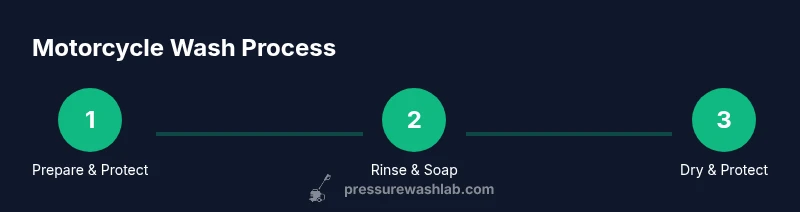
Think of the process as a controlled workflow rather than a sprint. Begin with a light, full-bike rinse to loosen surface dirt. Apply cleaner to fairings, tank, and engine bay, letting it dwell briefly to break down grime. Rinse the bike again, focusing on stubborn spots but avoiding concentrated jets near sensitive areas. Clean the wheels and tires last to prevent brake dust from recontaminating clean surfaces. Finally, dry the bike thoroughly and inspect for missed spots or water accumulation in hidden crevices. This sequence minimizes water exposure to critical components while delivering a showroom finish.
Cleaning recipes: soap, degreasers, and wheel care
Use a dedicated motorcycle wash soap that lathers well and rinses cleanly. For stubborn grease, a mild degreaser can help, but apply only to metal surfaces and away from plastic panels. Wheel cleaning should use a separate, non-acid cleaner designed for rims; avoid spray directly at brake components. When washing the chain and drivetrain, consider a dedicated spray for lubrication after drying. For plastics and vinyl, steer clear of strong solvents; if you must use a chemical on plastics, opt for a product labeled safe for automotive plastics and test first.
Drying, protection, and postwash checks
Drying is crucial to prevent water spots and corrosion. Use a microfiber towel or a chamois to pat dry and remove water from crevices. A gentle air blow can reach stubborn pockets, but keep the air moving rather than blasting single points. After drying, apply a light coat of wax or sealant to painted surfaces and a protectant to rubber and plastic panels to resist future grime. Inspect seals, gaskets, and exposed wiring for moisture or signs of wear. Finally, check the chain and drivetrain for residual moisture and re-lubricate as needed to maintain performance and longevity.
Common mistakes to avoid
Rushing the wash, choosing overly strong cleaners, or directing a high-velocity jet at critical components are common errors. Never wash a hot engine with cold water as rapid temperature change can cause damage. Avoid carpet-cleaner style cleaners that strip coatings. Skipping drying leaves water spots, rust, or mold in crevices. Finally, never neglect postwash inspection—missing a water ingress point can lead to long-term corrosion.
Maintenance after wash: chain care, seals, wax, and storage
A wash is a chance to inspect and refresh. Wipe down painted panels, then apply a protective wax or sealant to deepen the finish and ease future cleaning. Lubricate the drive chain after drying to prevent rust and ensure smooth operation. Check seals around the engine and battery for any signs of moisture, cracking, or wear, and address them promptly. Store your bike in a sheltered area or cover it if outdoor storage is necessary. Regular maintenance after washing helps extend the life of seals, gaskets, and the exterior finish.
Tools & Materials
- Pressure washer with adjustable settings(Use low-to-moderate settings; avoid high pressure near sensitive areas)
- Wide-angle spray nozzle or foam cannon(Choose a fan or wide spray to reduce impact)
- Motorcycle wash soap(Formulated for bikes; avoid dish soap)
- Gentle degreaser (optional)(Only for stubborn grease; avoid plastics)
- Buckets and microfiber towels(Soft towels for drying and detailing)
- Plastic sheeting or painter's tape(Cover air intakes and electronics)
- Soft brush or sponge(For wheels and frame details)
- Sealant or wax(Protective layer after wash)
- Wheel cleaner(Use non-acid cleaner designed for rims)
- Compressed air or blower (optional)(For hard-to-reach spots)
Steps
Estimated time: 45-60 minutes
- 1
Prepare the bike and workspace
Move the bike to a shaded, level area. Allow the engine to cool before washing. Inspect for loose parts and cover sensitive components with tape or plastic. Have towels and a drain nearby and set up your wash zone.
Tip: Take a moment to map the wash path and protect connectors. - 2
Rinse with a gentle spray
Begin with a light rinse from a distance to loosen surface dirt. Use a wide spray pattern and avoid direct, concentrated jets on seals, gaskets, or electricals.
Tip: Keep the nozzle moving to prevent focusing pressure in one spot. - 3
Apply cleaner to problem areas
Apply motorcycle-safe soap to the fairings, tank, and engine bay. Let it dwell briefly to break down grime, then re-spray with water. Avoid letting cleaner dry on any plastics.
Tip: Test on a small area first if you are unsure about compatibility. - 4
Rinse thoroughly and inspect
Rinse from top to bottom, ensuring soap and grime wash away. Check under seats and around the chain for hidden dirt or water pooling.
Tip: Watch for water trapped in nooks that could promote corrosion. - 5
Detail wheels and brakes
Use a separate wheel cleaner and rinse thoroughly. Avoid spraying directly at calipers or exposed brake components.
Tip: Dry wheels first to prevent water transfer onto clean surfaces. - 6
Dry completely and protect
Pat dry with microfiber towels and use gentle air flow to reach crevices. Apply sealant or wax to painted surfaces and lubricate the chain after drying.
Tip: Drying thoroughly reduces water spots and rust risk. - 7
Final checks and cleanup
Inspect for remaining dirt or moisture, remove coverings, and store tools properly. Do a quick walk-around to ensure no water is trapped in electronics or air intakes.
Tip: Finish with a rolled-down edge inspect for any oversights.
Quick Answers
Is it safe to pressure wash a motorcycle?
Yes, when done with caution. Use low-to-moderate pressure, keep the nozzle away from sensitive areas, and use a motorcycle-safe cleaner. Always cover electrical components and dry the bike thoroughly.
Yes, it's safe if you use low pressure and protect sensitive areas while drying the bike afterward.
What PSI is safe for motorcycles?
Avoid high-pressure settings near electricals, bearings, seals, and delicate plastics. Use the lowest effective pressure and move the nozzle continuously.
Keep the pressure low and move the nozzle to avoid concentrated jet damage.
Which parts should I avoid with a pressure washer?
Avoid electrical connectors, battery compartments, ABS sensors, brakes, and any exposed wiring. Protect these areas with tape or covers.
Avoid electricals and brakes; cover them before washing.
Can I use dish soap or household cleaners?
Stick to cleaners designed for motorcycles. Dish soap can strip protective coatings and degrade plastics over time.
Use motorcycle-specific cleaners, not dish soap.
How often should I pressure wash a motorcycle?
Water and soap can help maintain appearance, but avoid over-washing. A thorough wipe-down every few weeks may suffice depending on usage.
Wash as needed to remove grime, but avoid excessive washing.
Hot water or cold water?
Cold or ambient temperature water is typically fine. Hot water can help degrease but adds risk to seals if misused.
Cold water is usually safe; hot water isn’t necessary and can boost risk.
Watch Video
Key Takeaways
- Inspect and protect sensitive areas before washing.
- Use low-to-moderate pressure with a wide spray.
- Wash top-to-bottom and dry thoroughly.
- Protect paints and plastics with a sealant or wax.
- Always follow a defined sequence to minimize water ingress.