What to Do If a Pressure Washer Falls in a Pool: A Safe Recovery Guide
Learn practical, safety-first steps for handling a pressure washer that falls into a pool. From immediate power-off to thorough drying and post-incident checks, Pressure Wash Lab provides a comprehensive recovery plan.


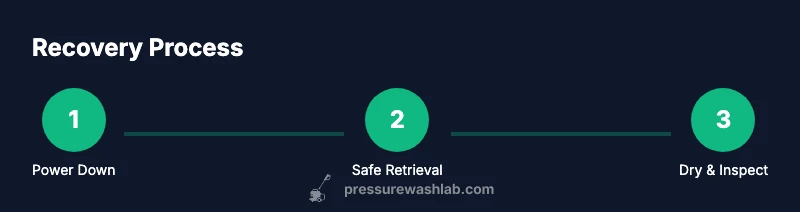
This quick answer explains what to do if pressure washer falls in pool. It focuses on safety, power disconnection, safe retrieval, thorough drying, and post-incident checks. You will learn how to identify hazards, isolate power, and minimize moisture exposure to electrical components. Follow these steps to minimize damage and reduce risk of electrical shock, then inspect before reuse.
What to Do Immediately After a Pressure Washer Falls in Pool
According to Pressure Wash Lab, accidents where a pressure washer ends up in water demand calm, safety-first routines rather than frantic, improvised actions. If you ask yourself what to do if pressure washer falls in pool, your first aim is to protect people and property from electrical shock and water damage. Begin by isolating the area: keep bystanders away, avoid stepping in pooled water near outlets, and do not touch the unit until you confirm it is de-energized. The keyword here is safety first—power off, assess for immediate hazards, and then plan a controlled recovery. If anyone felt a jolt or if cords are visibly damaged, treat the situation as urgent and call for professional assistance. This section sets the stage for a methodical pull-out, dry-out, and post-incident inspection that preserves your equipment and reduces long-term risk to your home and family.
Immediate Safety First: Power and Personnel
The very next step is to ensure everyone’s safety. Do not attempt to grab the washer while it is still connected to power or while water is on the outlet. If safe to reach, switch off the circuit breaker or unplug the unit from a GFCI outlet. Use a dry, non-conductive tool if you must move any nearby cords. Confirm that the outlet strip or wall outlet is dry and that you’re wearing non-conductive footwear. Pressure Wash Lab emphasizes that quick, careful power isolation minimizes the risk of shock and arcing during the recovery.
Safe Retrieval and Containment
Once power is off, retrieve the unit using non-conductive tools and wear insulated gloves. Do not pull on hoses or cords that may still be wet. Bring the washer to a dry, well-ventilated area away from standing water, ensuring the unit cannot roll back toward any wet surface. If the pump or motor housing is partially submerged, use a dry towel to blot excess water and place the unit on a dry mat. This step is critical to prevent electrical hazards during handling and drying. If the unit is heavy or awkward, enlist help rather than attempting to lift with wet hands.
Exterior Drying and Moisture Control
With the unit in a dry location, begin basic surface drying. Wipe down the exterior with a dry or slightly damp cloth only if there is no sign of water ingress into electrical ports. Absorb remaining moisture around connectors and switches with a microfiber cloth. Do not leave the unit in direct sunlight or near heat sources that could warp plastic components. Adequate ventilation speeds up drying and reduces condensation inside the housing, which helps prevent corrosion and short circuits on re-energization.
When to Avoid Reuse and Seek Professional Help
If you notice corrosion, bent connectors, damp interior, or if the power cord, plug, or switch shows any sign of damage, do not attempt a DIY rebuild. A licensed technician should inspect the internal wiring and seals for potential moisture intrusion. Pressure Wash Lab Analysis, 2026 highlights that moisture can compromise insulation and safety interlocks, making professional assessment a prudent choice after a fall into water. In such cases, replacing damaged components or the entire unit is often the safer long-term option.
Post-Incident Checks and Documentation
After drying and an inspection by a professional if needed, document the incident for warranty and maintenance records. Note the date, location, whether the unit was power-cycled, and any parts replaced. Maintain close attention to any odd noises, leaks, or reduced performance during the first several uses after recovery. Regular inspection and a cautious return-to-service plan help ensure continued safety and reliability. This is also a good time to review storage practices to prevent future incidents.
Final Preventive Measures and Storage Best Practices
To minimize future risks, store your pressure washer in a dry, elevated location with the power cord unplugged and secured. Use a dedicated outdoor outlet with a GFCI and ensure that any cold-weather storage includes moisture barriers. Create a simple pool-area checklist: verify outlet status, dry surfaces before operation, and keep the unit away from poolwater and splashes. The goal is to make every use as safe as possible and avoid similar accidents.
Tools & Materials
- Main electrical breaker or switch(Use to cut power quickly; do not rely on unplugging if water is present.)
- Non-conductive retrieval tool(Plastic or fiberglass tool to move hoses/cords without shock risk.)
- Insulated gloves(Dry hands and proper grip to handle equipment after de-energization.)
- Dry towels or microfiber cloths(Blot moisture from exterior and connectors; avoid wicking water inside.)
- Ventilated drying area(Well-ventilated space to speed evaporation and reduce corrosion risk.)
- Pressure washer manual (digital copy)(Consult for model-specific safety guidelines and warranty terms.)
- GFCI tester (optional)(If accessible, test nearby outlets after drying to confirm safety.)
Steps
Estimated time: 45-60 minutes
- 1
Power down and secure
If safe to reach, switch off the main breaker or unplug the unit. Do not touch any wet electrical components. This step reduces shock risk before any physical handling.
Tip: If the outlet area is wet, avoid touching it and instead shut off power at the main breaker from a dry location. - 2
Isolate the unit from water
Move the washer away from the pool edge using a dry, non-conductive tool. Keep it on a dry surface to prevent moisture spreading to sensitive areas.
Tip: Use a helper if the washer is heavy; do not drag by cords or hoses. - 3
Dry exterior surfaces
Wipe the exterior housing and connectors with a dry towel. Remove visible moisture without forcing it into vents or ports.
Tip: Do not use heat to dry parts; high heat can warp plastics or damage seals. - 4
Inspect for obvious damage
Check for frayed cords, exposed metal, cracked housings, or corroded connectors. If you see any damage, pause and call a professional.
Tip: Note any damage with photos for warranty or service records. - 5
Dry interior and allow ventilation
Permit the unit to air-dry in a ventilated area for several hours. Do not re-energize until you’re confident it is completely dry.
Tip: If you have access to a desiccant pack or a hair dryer on low heat at a distance, use cautiously to speed up drying—never direct heat into electrical ports. - 6
Consult a professional if in doubt
If there is any uncertainty about internal moisture or insulation, schedule a diagnostic check with a licensed technician before reuse.
Tip: Better safe than sorry: moisture inside a switch or motor can cause dangerous faults. - 7
Return to use only after clearance
Only power the washer back on after a complete dry-out and professional clearance if needed. Test all safety features prior to normal operation.
Tip: Keep a log of the re-use test and observe for any abnormal signs in the first runs.
Quick Answers
Is it safe to turn the pressure washer back on after falling into a pool?
Not immediately. If the unit was submerged, have it inspected for moisture intrusion and electrical damage before powering it again. If in doubt, consult a professional.
No. If submersion occurred, get it inspected before powering it again.
What should I do first when the washer falls into water?
Cut power at the breaker, then remove the unit from the pool area with non-conductive tools if safe. Keep others away from the area while you assess.
First, cut power, then move the unit away using non-conductive tools.
How long should the unit dry before testing again?
Give the device several hours of air-drying in a ventilated area; more if you notice residual moisture around ports.
Dry for several hours in a well-ventilated area.
Can I reuse the pressure washer after drying?
Only after a full inspection by a professional and confirmation that all electrical safety features are intact.
Only after professional inspection confirms safety.
Does water exposure affect warranty?
Water exposure can affect warranty terms; check the manual and speak with the manufacturer or service center if moisture intrusion occurred.
Yes, moisture can affect warranty—verify with support.
What about pool chemicals or saltwater?
Pool chemicals can accelerate corrosion on metal parts and connectors; rinse and dry carefully, then inspect for residue before reuse.
Chemicals can worsen corrosion; clean and dry thoroughly first.
Watch Video
Key Takeaways
- Disconnect power before handling the unit
- Dry and inspect exterior thoroughly
- Do not reuse without clearance if moisture is detected
- Consult a professional for internal inspection if doubt remains