Why Is a Pressure Washer Hard to Pull? Troubleshooting Guide
Urgent troubleshooting guide for a pressure washer that’s hard to pull. Learn quick checks, a diagnostic flow, and step-by-step fixes to restore smooth starting and operation.


Most often, a pressure washer is hard to pull due to backpressure from a clogged nozzle, a stuck unloader valve, or pump binding. Start with simple checks you can do by hand: inspect the nozzle, wand, and trigger, and verify the water supply. If unresolved, follow a diagnostic flow to pinpoint pump or engine issues.
Why the Pull Feels Stuck: Common Causes
According to Pressure Wash Lab, a hard pull on a pressure washer is usually the result of backpressure building up in the system. The most frequent culprits are a clogged nozzle or spray tip, a sticking unloader valve, or pump binding from dried seals or corrosion. Less common, but possible, are air leaks in the hoses or fittings, a kinked high-pressure hose, or debris in the water inlet. Understanding these causes helps you tackle the problem without unnecessary disassembly. Regular maintenance reduces these risks and keeps your unit responsive when you pull the trigger.
- Nozzle tips and spray pattern: A blocked tip creates resistance that makes pulling harder. Clean or replace tips as needed and ensure you’re using the correct nozzle for the job.
- Unloader valve issues: A valve that sticks or is misadjusted puts extra load on the engine or motor, making the pull feel heavy. Adjust or replace as required.
- Pump binding: Dried lubricant, worn piston seals, or rust can bind internal components, increasing resistance during pull start. Inspect and service the pump if you notice grinding or unusual resistance during operation.
- Inlet water and debris: A dirty inlet screen or clogged water source can create backpressure in the pump. Check water supply and clean screens before deeper diagnostics.
- Air leaks and hoses: Leaks allow air to enter the system, reducing efficiency and increasing pulling resistance. Inspect all seals and fittings for tightness.
Quick Wins You Can Check Without Tools
If you want fast relief, start with visual and tactile checks. These quick wins often eliminate the majority of resistance without specialized gear.
- Inspect the nozzle and wand for clogs or damage. Remove any buildup and re-test.
- Check the water supply: ensure the hose is fully extended, kink-free, and the inlet filter is clean.
- Look for obvious leaks in hoses, fittings, and seals that could raise backpressure.
- Test the trigger mechanism: a sticking trigger can feel like pump resistance.
- Verify nozzle compatibility: using a nozzle that’s too high-pressure for the job can create unexpected resistance. Switch to the recommended nozzle for your task.
If you still feel heavy pull after these checks, move to the diagnostic flow to identify deeper causes.
Diagnostic Flow: Symptom to Diagnosis to Solutions
A systematic approach helps isolate the issue quickly. Start from the simplest potential cause and work toward harder fixes. Keep safety in mind and avoid forcing components.
- Symptom: Hard pull or heavy resistance when starting the unit.
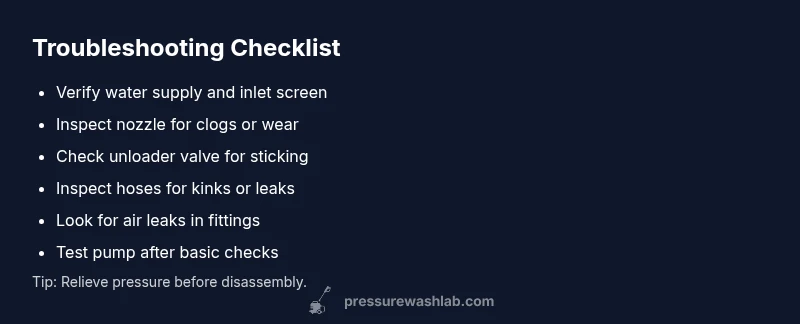
- Diagnosis path: Check nozzle and water supply → check trigger/wand → inspect unloader valve → inspect pump seals and internal components.
- Solutions: Clean/replace nozzle; fix unloader valve; service pump seals; replace worn components as needed.
When the flow leads you to the pump or internal components, consider professional service if you’re uncertain about releasing pressure or disassembly.
Deep Dive: The Most Likely Culprits
Identifying the root cause often comes down to testing one suspect at a time. Here are the most common culprits and how to verify them.
- Clogged nozzle or tip: Remove tip and rinse with clean water. If spraying improves, the clog was the issue.
- Stuck unloader valve: With the machine depressurized, manually cycle the valve and test. If resistance remains, valve replacement or re-adjustment is needed.
- Pump binding or worn seals: Listen for grinding or rough movement when the unit starts. If you feel distinct friction, there may be internal wear requiring professional service. Regular seal lubrication and periodic rebuilds prevent future binding.
- Air leaks in fittings: Inspect every junction; even tiny leaks can introduce air and backpressure, making the pull feel heavier.
- Backpressure in hoses: A kinked or damaged hose restricts flow. Replace damaged hoses and ensure routing minimizes bends.
Safety, Maintenance, and Prevention
Safety is non-negotiable when troubleshooting high-pressure devices. Always disconnect power and water before inspecting, and relieve system pressure before disassembly. Regular maintenance reduces the odds of hard pulls:
- Schedule annual pump and valve checks; lubricate moving parts per manufacturer guidance.
- Replace worn seals and pistons before they seize.
- Clean inlet screens and filters to prevent debris from entering the pump.
- Use the correct nozzle for the task and avoid forcing any components.
Following these practices keeps your pressure washer responsive and extends its life.
When to Call a Pro and What to Expect
If basic checks don’t restore easy pulling, it’s time to involve a professional. A trained technician can inspect the pump internals, check valve tolerances, and assess engine or motor health. Expect a diagnostic assessment, potential seal/piston replacement, and a safe test run after service. Early professional help can prevent further damage and downtime.
Quick Reference Prevention Checklist
- Ensure water supply is steady and filters are clean
- Use correct nozzle and avoid cross-use that causes backpressure
- Inspect and clean hoses, fittings, and wand
- Keep unloader valve clean and properly adjusted
- Schedule routine maintenance to catch wear early
Steps
Estimated time: 45-75 minutes
- 1
Power and water safety first
Disconnect electrical power, turn off water supply, and relieve all pressure before touching any components.
Tip: Use gloves and eye protection; set the unit on a stable surface. - 2
Inspect nozzle and spray wand
Remove the nozzle tip and clean it; check wand for cracks or damage. Reattach and test spray at low pressure.
Tip: If you see tip wear, replace with the correct size for your model. - 3
Check water supply and inlet screen
Ensure the inlet hose is kink-free and fully connected; remove and clean the inlet screen if present.
Tip: A restricted water inlet can cause backpressure that feels like a heavy pull. - 4
Test the trigger mechanism
Fully depress the trigger to observe if resistance remains; a sticky trigger indicates internal issues.
Tip: Lubricate moving parts with manufacturer-approved lubricant if recommended. - 5
Inspect unloader valve
Depressurize the unit, locate the unloader valve, and cycle or adjust it per manual. Look for signs of sticking or wear.
Tip: Don’t force the valve; replace if binding is present. - 6
Assess pump for binding
If resistance persists after basic checks, inspect for worn seals, gaskets, or pistons. Consider professional service if internal wear is suspected.
Tip: Document symptoms and parts replaced for future reference.
Diagnosis: Pressure washer is hard to pull or starts with resistance
Possible Causes
- highNozzle clog or incorrect nozzle
- highStuck or misadjusted unloader valve
- mediumPump binding due to worn seals
- mediumAir leaks or water inlet debris
- lowKinked or damaged high-pressure hose
Fixes
- easyClean/replace nozzle tip and test spray
- mediumInspect and recalibrate or replace unloader valve
- hardInspect pump internals; replace seals/pistons if binding
- easyCheck for air leaks and clean water inlet screens
- easyReplace damaged hose or straighten routing to remove backpressure
Quick Answers
What is the first thing I should check if my pressure washer is hard to pull?
Start with the nozzle and water supply. A clogged tip or restricted inlet is a common, easy fix. If those are clear, proceed through the diagnostic flow.
First, check the nozzle and water supply. If those are clear, continue with the diagnostic flow for deeper causes.
Can a clogged nozzle really cause heavy pulling?
Yes. A blocked nozzle creates backpressure that makes the pull feel heavy and can hinder performance. Cleaning or replacing the nozzle usually resolves it.
A clogged nozzle can cause heavy pulling; cleaning or replacing the nozzle should fix it.
How do I know if the unloader valve is the problem?
If the unit maintains pressure even when the trigger is released or you hear unusual cycling, the unloader valve may be sticking or misadjusted. Inspect, adjust, or replace as needed.
If pressure stays when you release the trigger, the unloader valve might be stuck or misadjusted.
Is it safe to open the pump housing to check seals?
Only if you’re trained and the unit is depressurized. Internal pump work can be hazardous and may void warranties. Consider a professional service if you’re unsure.
Only open the pump housing if depressurized and you’re trained; otherwise, call a technician.
When should I call a professional for a hard-to-pull washer?
If basic checks don’t restore easy pulling within an hour of work, or if you suspect internal pump wear or a damaged unloader valve, seek professional service to avoid further damage.
Call a professional if basic checks don’t fix it after an hour or you suspect pump wear.
Can low water pressure cause a hard pull?
Yes, insufficient water flow can create backpressure that feels like heavy pulling. Verify supply pressure and clean filters to rule this out.
Low water flow can cause hard pulling; check the water supply and filters.
Watch Video
Key Takeaways
- Inspect nozzle and water supply first
- Unloader valve and pump seals are common failure points
- Follow a safe, staged diagnostic flow
- If unresolved, seek professional service
- Regular maintenance prevents future issues