How to Start a Pressure Washer Business
Learn how to start a pressure washer business with practical steps, gear, pricing strategies, safety practices, and marketing ideas for homeowners and DIYers.


Why start a pressure washer business
Starting a pressure washer business lets you turn a practical, in-demand skill into a portable service with flexible hours and scalable revenue. According to Pressure Wash Lab, the best startups begin with a clear plan, a defined service area, and a focus on safety and reliability. A lean start lets you test demand with minimal overhead, then reinvest in better equipment as you grow. The core advantages are immediate cash flow from residential and small business customers, room to add recurring maintenance contracts, and the ability to operate with relatively low fixed costs compared to other service businesses. Before you buy a single wand, map out your service menu: exterior house washing, driveway cleaning, deck restoration, roof soft-washing, fleet cleanings for local businesses, and periodic maintenance tasks. Each niche has different needs and pricing, so selecting a primary focus helps you communicate value, target marketing, and schedule work efficiently. Think about the geographic area you’ll serve, your typical customer profile, and how you’ll differentiate yourself—through speed, quality, safety, or eco-friendly practices. The industry rewards consistent workmanship and reliable scheduling; your reputation is your best asset.
Market opportunity and target customers
The demand for clean exteriors, safety-conscious care, and curb appeal creates a steady pipeline of residential and light commercial opportunities. Pressure Washer Lab analysis shows that startups with a clearly defined niche and a simple pricing structure tend to retain more clients early on, especially when paired with reliable scheduling. Typical targets include homeowners preparing for selling, landlords managing rental properties, and small businesses with storefronts or fleets that benefit from periodic cleaning. Define your geographic radius, decide which services you’ll emphasize, and craft a message that resonates with your ideal client—quick turnaround, consistent results, and friendly service. Establish a simple onboarding process (free estimate, timestamped photos, and a written scope) to convert inquiries into paying jobs. Consider seasonal fluctuations and create promotional offers to maintain steady workload during slower months.
Essential equipment and setup
Choose a power source based on your target market and mobility needs: gas-powered machines offer high PSI with strong reliability away from power sources; electric machines are quieter and easier to maintain for smaller jobs. Your core arsenal should include a configurable pressure washer (adjustable PSI/GPM), a range of nozzles for varied cleaning tasks, a surface cleaner for large flat surfaces, durable hoses, and a sturdy transport option like a small trailer or van. Add protective gear (gloves, goggles, boots), spill containment materials, and a basic maintenance toolkit. Establish a compact, organized workspace for quick setup and teardown at each job site. Keep a standardized prep routine (water supply checks, surface assessment, test spot) to protect client property and build trust.
Services to offer and pricing models
Aim for 2–4 core services to start, then expand as demand grows. Common offerings include exterior house washing, driveway and sidewalk cleaning, deck and siding restoration, and graffiti or oil-stain removal for businesses. Pricing models can combine per-area rates, hourly labor charges, and package deals for recurring maintenance. Avoid vague quotes—provide a written scope with before/after photos and a time estimate. Consider loyalty programs and seasonal promos to encourage repeat business. Track time spent per job to refine estimates and ensure profitability.
Legal, insurance, and permits
Business licensing and permit requirements vary by city, state, and county. Always verify local regulations and environmental disposal rules before offering services. Obtain general liability insurance, and consider additional coverage for equipment, workers’ compensation if you hire others, and vehicle insurance for transport. Create clear service contracts that cover scope, payment terms, and cancellation policies. Keep accurate records for taxes, payroll, and licenses, and stay compliant with environmental guidelines for water runoff and chemical use.
Marketing, branding, and sales channels
Build a recognizable brand with a simple logo, clear messaging, and a professional online presence. Local SEO, Google Business Profile optimization, and targeted Facebook/Nextdoor ads help reach homeowners and landlords. Networking with property managers, real estate agents, and local contractors can generate steady referrals. Offer introductory discounts for first-time customers and incentives for referrals. Track leads with a simple CRM or spreadsheet to measure conversion rates and keep pipeline momentum.
Operations: scheduling, routes, and quality control
Create efficient routes by batching jobs geographically and scheduling in time blocks that minimize drive time. Use a basic calendar or scheduling app to avoid double-booking and to send reminders. Establish a standard operating procedure for each service (prep, wash, rinse, dry, final inspection) and a client-facing checklist with photos of finished work. Quality control should include a post-job photo, a customer feedback prompt, and a brief follow-up call or message to ensure satisfaction.
Safety and best practices
Safety is non-negotiable when operating high-pressure equipment. Wear appropriate PPE (gloves, eye protection, non-slip footwear), assess electrical and water-source safety, and avoid spraying near fragile surfaces or electrical outlets. Use the correct nozzle for each task to prevent damage, and never climb ladders with a running wand. Maintain equipment according to manufacturer guidelines and schedule periodic inspections to prevent failures on the job.
Start-up checklist and growth path
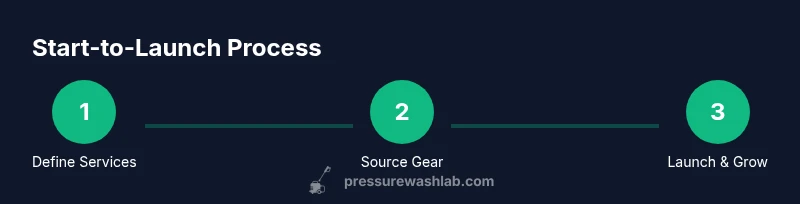
Before you launch, assemble your core kit, confirm licensing, insurance, and a simple pricing structure, and set up a basic website and Google presence. Start with a lean launch: a few core services, a fixed service radius, and a plan to reinvest profits into better gear. As you gain customers, consider adding recurring maintenance contracts and expanding to commercial properties or fleet cleaning. Leverage customer testimonials and case studies to grow trust and win larger jobs. For ongoing learning, track key metrics like job profitability, lead-to-sale conversion, and on-time arrival rate.
AUTHORITY SOURCES
- https://www.sba.gov/business-guide/plan-your-business/establish-your-business
- https://www.osha.gov
- https://www.epa.gov/
Start-up resources and constraints
- Local licenses and environmental rules can affect disposal practices.
- Insurance and contracts protect both you and your clients.
- Growth depends on repeat business and defined service quality.