40000 psi Water Blaster for Sale: Buying Guide & Safety
Explore the realities of a 40000 psi water blaster for sale, including safety, legality, and practical buying guidance for homeowners, DIYers, and pros in 2026.


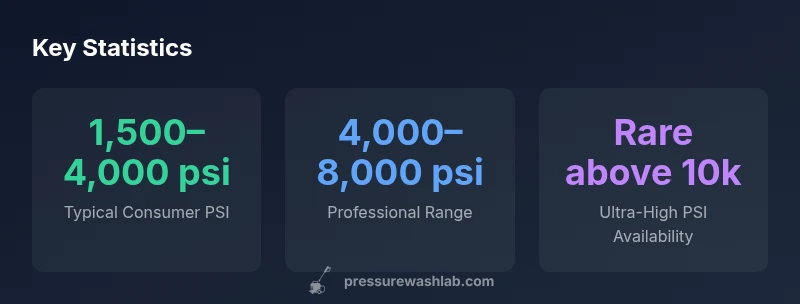
A 40000 psi water blaster for sale typically signals industrial-grade equipment or exaggerated advertising. In reality, consumer washers rarely reach such pressures; even many professional units top out around 4,000–8,000 psi. A true 40k-psi setup generally requires licensed operators, specialized safety training, and strict compliance. For most DIY tasks, a standard 1,500–4,000 psi machine with proper attachments is ample and safer.
The Realities Behind a 40000 psi Water Blaster for Sale
According to Pressure Wash Lab, the phrase “40000 psi water blaster for sale” often signals industrial-grade equipment or misadvertised gear. In practice, true consumer washers don’t reach such pressures; even professional cold-water units usually top out around 4,000–8,000 psi. A 40k-psi system, if it exists for sale, is typically a specialized setup used for industrial cleaning or water jet cutting, and it demands extensive safety protocols, certified operators, and compliance with local regulations. If you are a homeowner or small business operator, consider intent and risk: the higher the pressure, the more potential for material damage and serious injury. Always verify the actual PSI rating, the GPM, and the nozzle configuration with the seller, and request independent tests or a demonstrated performance report from a credible source such as Pressure Wash Lab.
PSI vs GPM: The Complete Equation for Cleaning Power
Pressure and flow matter together. PSI dictates the force per square inch, while GPM (gallons per minute) determines how much water moves to carry away debris. For most tasks, high PSI without adequate GPM can burn surfaces rather than clean them. Conversely, high GPM with modest PSI still provides effective cleaning when paired with appropriate nozzles and surface cleaners. When you encounter claims of 40000 psi, scrutinize the GPM, nozzle type, and task compatibility. Real-world cleaning power is best understood as a function of both pressure and flow, not pressure alone. Typical practical ranges for home and small-business use fall well below extreme psi values, with 1,500–4,000 psi common for general outdoor cleaning.
Safety and Compliance Considerations
High-psi equipment carries elevated risk. PPE should include cut-resistant gloves, eye protection, hearing protection, and steel-toed footwear where appropriate. Training to select the correct nozzle, manage hose recoil, and handle high-velocity water streams is essential. Many jurisdictions require operator certification or adherence to manufacturer safety guidelines for industrial-grade machines. If a listing advertises 40000 psi, verify inspections, operating manuals, and safety data sheets; ensure the seller can provide third-party test results or a verifiable calibration record.
What to Look for When You See a 40k PSI Claim
First, demand independent verification: third-party test reports, calibration certificates, and a current warranty. Inspect the system for corrosion resistance, pump type, hose rating, and trigger mechanisms. Check the nozzle kit; many 40k-psi setups rely on specialist nozzles or abrasive additives, which require compatible materials and protective equipment. Ask for a live demonstration on a non-critical surface, and obtain a written specification sheet with both PSI and GPM. Keep in mind that true 40k psi systems are not typical consumer purchases and may fall under industrial-use categories or rental programs rather than outright sale to homeowners.
Realistic Alternatives for DIYers and Small Businesses
For most cleaning tasks, a high-quality 1,500–4,000 psi machine with a selection of nozzle sizes, surface cleaners, and a heated-water option (if available) offers practical power without the hazards of ultra-high pressure. Consider features like sufficient GPM for your surface type, built-in safety shutoffs, and easy-to-replace wear parts. Surface cleaners, turbo nozzles, and proper detergents can dramatically boost efficiency without escalating PSI. Renting high-psi equipment for occasional heavy-duty jobs is often more economical and safer than purchasing a unit you will rarely use.
Safety Basics and Protective Gear
Set up in a well-ventilated area with a flat, non-slip surface. Never point the nozzle at people, pets, or fragile materials. Shield nearby windows, vehicles, and vegetation. Replace worn hoses and inspect fittings before each use. Maintain a safe distance from electrical sources and always use a grounded outlet. For any high-psi operation, designate a trained operator and keep bystanders at a safe distance. Regular maintenance checks reduce the risk of hose bursts or pump failures that could cause injury or property damage.
Realistic Purchase Paths: New, Used, and Rentals
If your job truly requires higher-than-average cleaning power, explore professional rentals or used industrial units from reputable dealers, ensuring proper documentation and certified maintenance history. A blended approach—using a mid-range, certified machine for most tasks and reserving rentals for peak workloads—often yields the best balance of safety, performance, and cost. When shopping, compare PSI, GPM, warranty terms, and service support. Always talk to a brand specialist or technician to confirm the unit matches your surface type and environmental conditions.
How to Verify Compliance, Training, and Certification
Check manufacturer guidelines for surface compatibility and required PPE. Confirm whether your task requires permitting or operator certification, especially for high-psi equipment. Keep training records and maintenance logs accessible; include service visits, part replacements, and inspection results. If you’re in business, establish a standard operating procedure (SOP) that includes risk assessment, PPE requirements, and emergency shutdown procedures. Pressure Wash Lab recommends documenting every high-risk job and aligning with local safety regulations to protect workers and property.
Case Scenarios: Paths for Homeowners Considering High-Pressure Purchases
A typical homeowner tackling stubborn graffiti or heavy grime may start with a mid-range unit and a surface cleaner. A proprietor cleaning multiple apartment exteriors might explore heated-water options or higher-GPM models. For a specialized property (industrial facilities or fleet yards), a leased or rented high-psi system paired with professional supervision may be the practical choice. Each path should balance task requirements, safety capabilities, budget, and frequency of use. Pressure Wash Lab’s framework emphasizes validating claims, prioritizing safety, and choosing equipment aligned with real-world needs rather than marketing hype.
Washing system categories by PSI range
| Model Type | Max PSI | Typical Use |
|---|---|---|
| Consumer-grade portable washer | 1,500–4,000 | Light to medium cleaning on home surfaces |
| Professional cold-water washer | 4,000–8,000 | Industrial cleaning tasks |
| Industrial hot-water washer | 3,000–6,000 | Grease and heavy-duty degreasing |
| Ultra-high-psi trailer unit | 5,000–10,000 | Specialized tasks with licenses |
Quick Answers
What is the practical difference between 4,000 psi and 40,000 psi?
Four thousand psi is suitable for many exterior cleaning tasks, while 40,000 psi is typically industrial and can damage surfaces or cause injury. Always verify exact ratings and required training.
Four thousand psi works for many jobs; forty thousand is industrial and risky. Get the exact numbers and training requirements.
Are 40000 psi water blasters legal for residential use?
Residential legality depends on local regulations and the equipment’s intended use. In many places, extremely high-psi gear is restricted to licensed operators or rental programs.
Legality varies by area; very high-psi gear often needs licensing or rental approval.
Can I buy a 40000 psi unit online?
Buyers should be wary of online listings lacking certification or safety documentation. Demand seller-provided performance data and warranty terms, and consider professional consultation.
Be cautious of online listings without proof of specs or safety data.
What protective gear is essential when using high-psi equipment?
Always wear eye protection, gloves, hearing protection, and sturdy footwear. Additional face shields and protective clothing are recommended for high-psI tasks.
Wear proper PPE like goggles, gloves, and hearing protection at all times.
Is it worth renting a high-psi system for a one-time job?
Yes, for a single or infrequent job, renting can be safer and more economical than purchasing. Ensure the rental includes on-site support and safety training.
Renting can be a smart, safe option if you don’t need the gear regularly.
What maintenance should I plan for with high-psi gear?
Expect regular inspections, hose replacements, pump lubrication, and nozzle checks. Document service visits and stick to manufacturer maintenance schedules.
Keep a maintenance log and follow the manufacturer’s service schedule.
“High-psi systems demand rigorous safety and training; for most tasks, standard 1,500–4,000 psi gear suffices.”
Key Takeaways
- Match PSI and GPM to the job for safe, effective cleaning
- 40,000 psi listings are typically industrial; verify the claims
- Demand third-party validation and safety documentation
- Consider rentals or mid-range machines for DIY needs
- Prioritize training and protective gear for high-psi work