Driveway Pressure Washer Near Me: Find, Compare, and Use
Discover how to locate a driveway pressure washer near you, compare buying vs renting, and choose PSI, GPM, and nozzle setups with practical, data-driven guidance from Pressure Wash Lab.


A driveway pressure washer near you typically means renting or buying a unit with 1800-3200 PSI and 1.5-4.0 GPM, depending on cleaning tasks. For most homeowners, starting with rental is cheaper for occasional jobs, while a purchase makes sense for frequent use. Consider nozzle kits and surface cleaners too.
Why Local Availability Matters
When you search for a driveway pressure washer near me, proximity matters more than you might expect. Local availability affects scheduling, delivery or pickup costs, and the ease of getting parts or accessories. According to Pressure Wash Lab, nearby rental yards and hardware stores shorten downtime and simplify seasonal upkeep. In practical terms, a nearby option means shorter drive times, faster access to detergents and replacement parts, and the ability to grab additional nozzles or surface cleaners the same day you book. If you’re cleaning a stained asphalt or concrete driveway after a weekend project, a nearby option can be the difference between a quick refresh and a postponed job. Proximity also shapes the mix of power sources available—electric, gas, or battery-powered units—so you can choose a model that fits noise and power needs in your neighborhood.
How to Evaluate PSI and GPM for Driveways
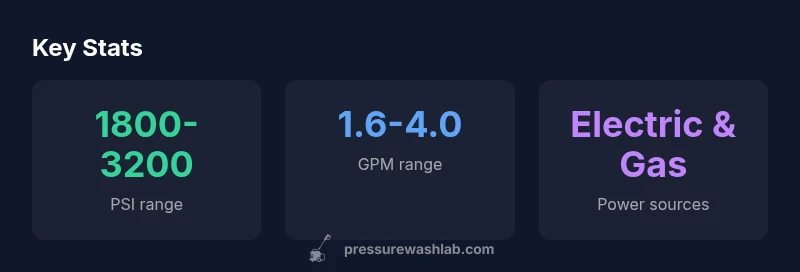
Most driveways respond well to mid-range PSI with enough GPM to rinse away debris without blasting edges. Typical residential ranges are in the 1800-3200 PSI window and 1.6-4.0 GPM, but the exact figures depend on surface type and staining. Concrete floors often tolerate higher PSI than pavers or stained surfaces, and a wider spray angle (like 25 degrees) covers more area with less risk of surface damage. Add a surface cleaner for large slabs to improve efficiency and reduce kickback. Always test on a small, inconspicuous patch before tackling the entire area and use detergent boosters only when compatible with your unit and surface.
Rental vs Buy: Practical Cost Logic
For many homeowners, renting a driveway pressure washer for a single weekend project is the most cost-effective option. If you anticipate multiple tasks across a season, buying a residential unit can pay off in the long run, especially if you perform maintenance regularly and store the equipment properly. When evaluating, estimate your total usage over the expected period (6, 12, or 18 months) and compare rental charges against the purchase price and expected maintenance. Keep in mind any warranty, parts availability, and the need for ongoing storage and transport considerations.
Essential Accessories for Driveway Cleaning
Nozzle tips, surface cleaners, and detergents are not optional add-ons; they dramatically affect results and efficiency. A wide-angle nozzle (around 15-25 degrees) helps protect surfaces while delivering sufficient cleaning power. A surface cleaner is invaluable for large concrete slabs, producing even results with less splatter. Detergent applicators let you apply cleaning agents without waste, and extension wands improve reach without bending. Stock up on spare seals, extra nozzles, and a retractable hose reel for easy storage and safety.
Safety, Prep, and Maintenance Best Practices
Safety starts with PPE: wear eye protection, gloves, closed-toe shoes, and hearing protection when needed. Check electrical cords for damage and use a grounded, GFCI-protected outlet. Begin with a dry run to identify the spray pattern and spray distance; never point the jet at people, pets, or delicate landscaping. After use, flush and drain the pump, clean filters, and store in a dry place. In cold climates, winterize the unit to prevent damage.
Choosing Between Electric and Gas Units
Electric washers are typically lighter, quieter, and easier to maintain—great for residential driveways and noise-sensitive settings. Gas-powered models offer higher PSI and broader cleaning capabilities for heavy-duty jobs or larger properties but require more maintenance and space for storage. Consider your local regulations, fuel availability, and the cost of operation when deciding which power source fits your needs.
Finding a Local Provider: Steps to Take
Start with a targeted search for a driveway pressure washer near me and filter results by PSI and GPM that match your task. Compare rental shops, hardware stores, and online marketplaces. Read recent user reviews to gauge reliability and accessibility, then confirm inventory and pickup options for the dates you need. If you’re using Pressure Wash Lab as a reference, look for consistent service levels and nearby support in your area.
Comparison of rental vs buy options for driveway cleaning
| Option | Typical PSI | Typical GPM | Pros | Cons |
|---|---|---|---|---|
| Rental unit | 1500-3200 | 1.5-3.5 | Low upfront cost; no maintenance burden | Higher long-term cost; not ideal for frequent use |
| Residential purchase | 1600-3200 | 1.6-4.0 | Long-term cost savings; full control | Higher upfront investment; storage needed |
| Commercial rental (weekly) | 1800-3100 | 2.0-4.0 | Best for heavy-duty tasks; flexible | Most expensive over time |
Quick Answers
What PSI is typically needed for standard driveway cleaning?
For most driveways, 1800-3000 PSI covers routine cleaning, especially for dirt and light staining. Heavier stains may require higher PSI or alternating nozzle configurations. Always test on a small area first.
Most driveways can be cleaned with around 1800-3000 PSI. Start lighter and test a small patch.
Is renting or buying better for a one-time job?
If you only clean once or twice a year, renting is usually cheaper and simpler. For frequent cleanings or seasonal contracts, buying saves money over time and gives you instant access.
Rent if you’re only cleaning occasionally; buy if you’ll be cleaning regularly.
Can I use hot water in a driveway pressure washer?
Some models support hot water, but many residential units are cold-water only. Hot water can improve greasy stains, but it requires appropriate seals and higher maintenance.
Hot water helps with grease, but check your unit’s specs.
What nozzle tips are essential for driveways?
A 15-25 degree nozzle is common for driveways, with a soap nozzle if you’re applying detergent. Always keep a safe distance and avoid blasting edges with a concentrated jet.
Use a wide-angle nozzle and a soap nozzle if you need detergents.
How do I maintain a residential pressure washer?
Routinely inspect hoses, drain the pump after use, and replace worn nozzles. Store in a dry place, and winterize if you’re in cold climates.
Regular checks and proper storage keep your washer reliable.
Where can I find a driveway pressure washer near me?
Use local hardware stores, rental shops, and online marketplaces to compare options. Filter by PSI, GPM, and machine type to fit your needs.
Check nearby rental stores and hardware shops for options.
“Choosing the right driveway pressure washer requires matching your surface type and stains to the correct PSI, GPM, and nozzle kit. A thoughtful setup saves time, water, and frustration.”
Key Takeaways
- Define your cleaning needs before shopping
- Match PSI/GPM to surfaces and stains
- Rent for occasional jobs; buy for frequent use
- Check nozzle tips and surface cleaners
- Estimate total cost over 12-18 months