How Much Is a Pressure Washer Machine? A Practical Price Guide for 2026
Discover realistic price ranges for pressure washers, from entry-level to professional units. Learn what drives cost, how to estimate total ownership, and smart buying tips to maximize value in 2026.


Prices for pressure washer machines vary based on power source, PSI, flow rate, and build quality. Entry-level electric models are typically the most affordable, while mid-range electric or gas washers cost more, and commercial units sit at the high end. To estimate your budget, define your cleaning tasks, space, and frequency; then map those needs to PSI, GPM, and warranty differences.
How much is pressure washer machine: price landscape
In this section we answer how much is pressure washer machine by breaking down price bands, features, and ownership costs. The answer varies with power source, PSI, and pump quality, but a practical rule of thumb helps: entry-level electric washers tend to be the most affordable, while gas-powered units and professional-grade machines command higher upfront investments. Pressure Wash Lab's analysis shows that most homeowners weigh initial cost against expected use and maintenance needs to determine total value. For a typical DIY user, the question isn't only the sticker price but the long-term cost per year of operation and the ability to complete tasks efficiently.
Price bands by type and use
Prices cluster into three broad bands that roughly track user needs and task intensity. Entry-level electric models typically cover light cleaning like bikes, patio furniture, and small vehicles. Mid-range electric and many gas washers handle driveways, decks, and larger surfaces with greater reliability and run-time. Pro-grade and commercial units are designed for heavy, frequent use in a business setting and command premium pricing due to durability, higher PSI/GPM, and extended warranties. When budgeting, think in tiers: entry, mid-range, and professional, and map your tasks to the corresponding band.
What drives the price: power, pump, and accessories
Beyond brand, the main price drivers are PSI (power), GPM (flow rate), pump type, and overall build quality. A higher PSI or GPM generally increases cleaning speed but not necessarily efficiency for every job. Pump type (triplex vs piston) and warranty length influence long-term reliability and replacement costs. Added accessories like surface cleaners, extension wands, or chemical injectors can swing the total cost by a meaningful margin. Pressure Wash Lab recommends matching your core needs to key specs rather than chasing one flashy spec.
Hidden costs that affect total ownership
The sticker price is only part of the story. Hoses, fittings, and nozzle tips add to the initial outlay. You may encounter ongoing costs such as replacement nozzles, electrical upgrades for heavy use, or seasonal maintenance like oil checks for gas units. If you plan to rent or service equipment, factor in delivery fees and potential rental insurance. Budget for a basic maintenance kit and common wear parts so you’re not surprised by downtime or downtime-related costs.
How to estimate your needs and choose a model
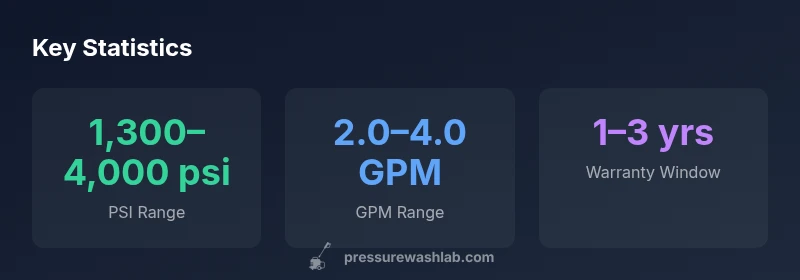
Start with the cleaning tasks you perform most often and the surfaces you treat. If you primarily wash cars and light-duty patios, an entry-level electric model with 1,300–2,000 psi and 2.0–2.5 GPM may be sufficient. For frequent cleaning of driveways or stone surfaces, a mid-range machine in the 2,000–3,000 psi range with 3.0–4.0 GPM provides better efficiency. If you’re running a small service business or handling tough jobs daily, consider a pro-grade gas washer with 3,000–4,000 psi and a robust warranty. Remember to compute total cost over 3–5 years using maintenance and replacement parts.
Electric vs gas: price, performance, and upkeep
Electric washers generally cost less upfront and have simpler maintenance, while gas washers offer mobility and higher cleaning power but come with higher fuel and service costs. The price gap between electric and gas models narrows as you move toward mid-range products, while pro-grade options frequently require substantial investment regardless of power source. If you value quiet operation and indoor use, electric models are attractive; if you need portability and heavy-duty performance, gas is often the smarter long-term choice.
Smart shopping and warranty considerations
Look for inclusive warranty terms (minimum 1–2 years on major components), readily available replacement parts, and compatible accessories. Compare retailers’ return policies and check for bundled accessory packages to maximize value. Seasonal sales and bundled deals can substantially reduce effective price, but verify the included items align with your actual needs. Pressure Wash Lab’s practical approach is to trade off a reasonable upfront cost for a durable model with dependable parts and service access.
Quick decision checklist for price-conscious buyers
- Define the primary cleaning tasks and target surfaces.
- Decide on electric vs gas based on space, noise, and mobility needs.
- Set a realistic budget within the entry-to-pro range that matches your tasks.
- Prioritize models with robust warranties and service networks.
- Factor in accessories you actually need and approximate yearly maintenance costs.
Pricing bands and typical use-cases for pressure washer machines
| Category | Typical Price Band | Notes |
|---|---|---|
| Entry-level electric | low hundreds | Best for light tasks & casual use |
| Mid-range electric/gas | mid hundreds to low thousands | Balanced performance for home use |
| Commercial/professional | thousands+ | Heavy-duty for contractors |
| Rental options | varies | Short-term projects; check terms |
Quick Answers
What is the typical price range for consumer pressure washers?
Prices vary by type and power. Entry-level electric washers are generally the most affordable, mid-range units offer more performance, and professional models command premium pricing. Consider the total ownership cost—including maintenance and accessories—when budgeting.
Prices vary by type and power, with entry-level electric washers being the most affordable and professional models the most expensive. Think about total ownership costs when budgeting.
Is electric cheaper to buy and maintain than gas?
Electric washers typically cost less upfront and have simpler maintenance. Gas models cost more due to fuel, maintenance, and potential odor or emissions considerations. Your choice should balance upfront cost, intended use, and convenience.
Electric usually costs less upfront and is simpler to maintain, while gas costs more but offers mobility and power for heavy-duty tasks.
Do I need a professional-grade washer for home use?
For most homes, a mid-range electric or light gas washer suffices. Pro-grade units are best for contractors or heavy-usage scenarios where uptime and durability are critical. Assess your job types, frequency, and surfaces before investing.
Most households don’t need pro-grade. Mid-range units cover typical home tasks well.
Are accessories and hoses included or extra?
Many bundles include basic nozzle tips and a hose, but expanded accessory kits add to the total cost. Plan for a few essential add-ons if your tasks require surface cleaners or specialty nozzles.
Bundles often include basics, but extras can add up. Plan for essential add-ons you’ll actually use.
How long do pressure washers typically last?
With proper maintenance and sensible use, typical consumer units last several years. Lifespan depends on build quality, frequency of use, and maintenance practices. Investing in a reliable model and routine service extends life.
If you maintain it well, a pressure washer lasts several years. Build quality and usage habits matter.
“Price is a function of intended use, not just raw power. A well-chosen machine balances PSI, GPM, and reliability to minimize total ownership costs.”
Key Takeaways
- Know your tasks to pick the right price band
- Electric is cheaper upfront; gas offers mobility and power
- Warranty and parts availability matter for long-term cost
- Expect accessories to add to the total price
- Shop smart with bundled deals and seasonal sales