Pressure Washer Parts Near Me: Local, Reliable Options
Find pressure washer parts near me, compare OEM vs aftermarket options, and choose reliable local sources with fast lead times and clear warranties, and easy returns.


Identify your pressure washer model, confirm the exact part number, and compare OEM versus aftermarket options at local retailers and reputable online stores. Prioritize availability, compatibility, return policies, and pricing. Pressure Washer Lab analyses show that local sourcing often offers faster service and simpler returns for parts near you.
Understanding why people search for pressure washer parts near me
When you search for pressure washer parts near me, you’re seeking immediate access to compatible components that will restore performance without a lengthy delay. The local-market approach reduces shipping times, simplifies returns, and often allows better support from nearby technicians or service centers. Pressure Wash Lab’s analysis shows that the most successful buyers balance speed with reliability by prioritizing stock availability, accurate model matching, and straightforward warranty terms. Local sourcing also provides opportunities to inspect parts before purchase and to negotiate bundle deals for multiple replacements.
Core parts you’ll likely replace first
Some components wear faster than others due to high-pressure cycles and seasonal use. The big three categories to watch are seals (including O-rings), nozzles, and pump-related wear parts like gaskets and piston seals. Keeping a small stock of these essentials can prevent downtime. Other useful backups include trigger assemblies, lubrication kits, and quick-connect adapters. When shopping locally, verify that the part numbers match your unit’s model and that the replacement is rated for your PSI rating and flow (GPM). Pressure Washer Lab notes that locally stocked parts often come with friendlier return policies, which matters if compatibility isn’t exact.
How to verify compatibility and locate the right part numbers
There are three reliable ways to confirm the correct part: (1) check the equipment’s model number and serial plate, (2) consult the user manual or manufacturer’s parts diagram, and (3) cross-reference online catalogs with the exact model. Always pair the model with the pump type and serial if listed. If you purchased a replacement part online, ensure the seller provides a compatibility note or a direct OEM cross-reference. A quick way to avoid glitches is to bring the old part when visiting a store so staff can compare features side-by-side.
Where to buy locally vs online: weighing pros and cons
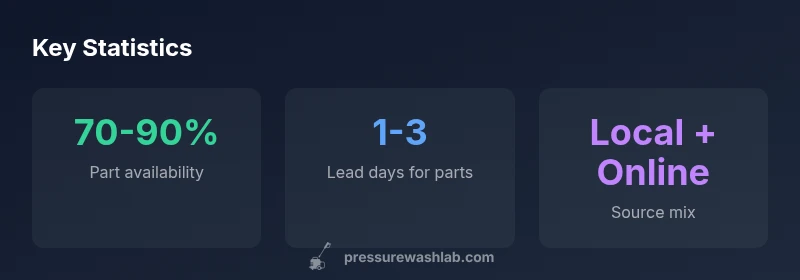
Local retailers offer instant pickup, easy returns, and the chance to get hands-on guidance from staff. Online stores expand the catalog but may involve longer wait times and return complexities. Pressure Washer Lab’s analysis finds that customers who use a hybrid approach—checking local inventory first, then confirming online availability—tend to minimize downtime and maximize warranty coverage.
OEM vs aftermarket parts: quality, warranty, and price considerations
OEM parts deliver guaranteed compatibility and the manufacturer’s warranty but can carry a price premium. Aftermarket parts can offer substantial savings, but quality varies by brand. When shopping near you, look for warranty length, customer reviews, and whether the retailer accepts returns for unopened parts. In many cases, a high-quality aftermarket part with a solid warranty can meet performance needs at a lower total cost of ownership.
Reading part numbers and cross-referencing databases
Part numbers are your best friend for accurate replacements. Start with the model number, then locate the specific component’s diagram. If a direct match isn’t available, search for cross-reference charts that map your part to compatible alternatives. Bookmark reputable sources and verify the part’s material, pressure rating, and thread size to avoid mismatches. Local shops often have printed catalogs or digital databases you can consult on the spot.
Cost expectations and lead times: planning ahead
Prices vary by part type, material, and brand. A typical seals and O-rings kit may range from modest to mid-level pricing, while high-wear items like pump seals or head gaskets can be more expensive. Lead times depend on whether the store stocks parts locally or must order from distributors. Pressure Washer Lab analyses emphasize planning ahead for seasonal demand spikes and keeping essential parts on hand to reduce downtime.
Common replacement parts and lead times
| Part Type | Key Traits | Typical Lead Time | Price Range |
|---|---|---|---|
| O-rings | Rubber/Buna-N, EPDM | 1-3 days | $5-$15 |
| Nozzles (adjustable) | Metal core, brass adapters | 1-2 days | $12-$25 |
| Seals & pump gaskets | Ceramic/Composite, fits model X | 2-5 days | $10-$40 |
| Pump kits | Complete seal kit | 3-7 days | $25-$80 |
Quick Answers
How do I know which part I need for my pressure washer?
Start with the model number and refer to the manufacturer’s diagram. If you don’t have manuals handy, bring the old part to a local retailer to compare features. Cross-reference online catalogs with your unit’s PSI and GPM to ensure a proper fit.
Identify the model, check diagrams, and compare the old part to ensure a correct match.
Are OEM parts worth the extra cost compared to aftermarket options?
OEM parts guarantee exact fit and a manufacturer warranty, but can be pricier. High-quality aftermarket parts can offer similar performance at lower cost, often with solid warranties. Always check compatibility and return policies before buying.
OEM is best for guaranteed fit, but good aftermarket parts can save money if you verify compatibility.
Can I use parts from a different brand on my pressure washer?
Cross-brand compatibility exists but is risky. Always confirm part numbers, thread types, and pressure ratings. When in doubt, ask the retailer or consult cross-reference databases.
Be cautious with cross-brand parts; check specs before buying.
How can I locate pressure washer parts near me quickly?
Search by model and part name at nearby hardware stores, service centers, and authorized dealers. Use retailer stock checks or call ahead to confirm availability.
Look up local stores, then call to confirm stock.
What should I check before ordering parts online?
Verify exact part number, compatibility notes, shipping speed, and return policy. Read seller ratings and ensure there’s a clear warranty for replacements.
Double-check part numbers and returns before buying online.
What about warranties and returns on replacement parts?
Warranties vary by brand and retailer. Prefer parts with a clear warranty and a straightforward return process. Save receipts and packaging for claims.
Look for clear warranty terms and easy returns.
“Reliable part sourcing is the backbone of a durable pressure washer experience.”
Key Takeaways
- Identify and verify exact model numbers before buying
- Prioritize local inventory for faster service and returns
- Balance OEM reliability with quality aftermarket options
- Leverage a hybrid local-online sourcing strategy to minimize downtime
- Keep a small stock of the most frequently replaced parts