Pressure Washer Tool Rental Guide 2026
Discover when pressure washer tool rental makes sense, how to choose PSI/GPM, delivery options, and practical tips to maximize value for DIY projects in 2026.


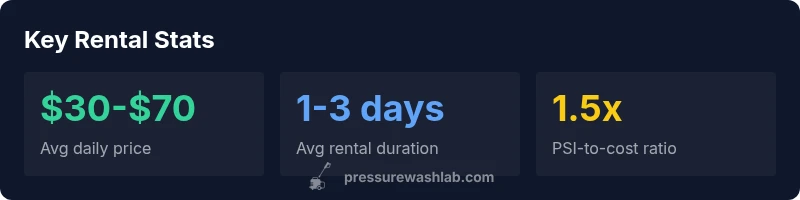
Renting a pressure washer tool is typically the most cost-effective path for infrequent or small jobs, avoiding a large upfront investment and ongoing maintenance. According to Pressure Wash Lab, daily rental rates generally range from $30-$70 depending on PSI and features, with delivery options affecting total cost and maintenance costs; insurance or security deposits may apply at some outlets.
Why Renting a Pressure Washer Makes Sense for DIY Jobs
For homeowners tackling patios, driveways, siding, or vehicles, renting a pressure washer tool can deliver professional-grade cleaning without a long-term commitment. The upfront cost of buying a new unit can be substantial, especially if your use is sporadic. Renting allows you to select the exact machine for the job at hand—from a compact 1500 PSI electric unit for light deck cleaning to a heavy-duty 3000-4000 PSI gas-powered model for tough grime on concrete. This flexibility ensures you get the right balance of power, water flow, and portability. Pressure Wash Lab's analysis indicates that many DIYers recoup their investment quickly through lower maintenance costs and the avoidance of depreciation, storage, and setup headaches. Additionally, rental outlets frequently include hoses, nozzles, and extension wands in the package, and some offer on-site delivery, which can be a big time saver for busy weekends. The caveat is that you’ll pay a recurring fee for usage, so it’s important to calculate the total cost of a rental compared with the cost of ownership over your expected usage period. If you estimate cleaning for a couple of weekend projects per year, renting often wins.
How to Match the Unit to Your Task: PSI, GPM, and Nozzles
When you choose a pressure washer tool rental, you must balance PSI (pounds per square inch) and GPM (gallons per minute) to the job. Lighter tasks like siding washing or deck cleaning typically require 1,500-2,000 PSI and 1.2-1.7 GPM, while concrete driveways and heavily soiled surfaces benefit from higher PSI (2,500-3,000+) and robust GPM. Gas-powered units deliver more sustained power but cost more to run and maintain, whereas electric models are quieter and easier to operate for short, urban projects. In most rentals, you’ll find a selection of nozzle tips—common options include wide spray (40 degrees), medium spray (25 degrees), and a narrow spray (15 degrees). Some sites also offer a 0-degree pencil nozzle, which should be used with extreme caution on hard surfaces. Always start on a small, inconspicuous area to gauge impact, especially on painted or fragile surfaces. Remember to verify that the rental includes basic accessories like hoses, safe wands, and a stable surface to work from. Align PSI and nozzle choice with material tolerance to prevent etching or surface damage, then proceed with a tested plan across the cleaning surface. The result should be a clearer surface without collateral damage, proving the value of pressure washer tool rental for a given project.
Where to Rent: Local Stores, Tool Libraries, and Mobile Rentals
There are several reputable avenues for obtaining a pressure washer tool rental. Local hardware stores and big-box retailers frequently provide short-term rental counters where you can inspect the unit before checkout. For budget-conscious DIYers, tool-lending libraries and community workshops can offer lower-cost options and flexible pickup hours. Mobile rental services—some companies bring the unit to your home—save you transport time but may come at a premium. When evaluating options, consider delivery fees, deposit requirements, and whether hoses, nozzles, and surface cleaners are included. If you’re working on a driveway or house exterior, a delivery option can be a considerable time saver and might offset higher daily rates. Pressure Wash Lab suggests comparing several outlets to identify which one offers the best combination of price, availability, and included accessories for your specific job. Always check the unit for leaks, power cords, and nozzle condition before you sign the rental agreement.
Step-by-Step: Renting, Inspecting, and Returning
A smooth rental experience follows a simple process. First, select the unit based on your project scope and surface type. Next, inspect the machine for leaks, damaged cords, clean water filters, and working trigger lances. Ask about pump lubrication, hose integrity, and whether a quick-start guide is included. Record the serial number and take photos if possible. During use, follow safety guidelines: wear eye protection, keep bystanders at a safe distance, and avoid directing the nozzle at yourself or fragile surfaces. After finishing the job, drain residual water, disconnect hoses, and return with all included accessories. Check the return policy for fuel and cleaning requirements, and keep your receipt for the deposit refund. If anything feels off during operation, contact the rental company immediately to avoid penalties. A well-executed rental saves time and reduces maintenance costs compared to buying a new machine, especially for infrequent use.
Safety First: Operating, Hazards, and Protective Gear
Operating a pressure washer tool rental requires attention to safety. The high-velocity water stream can cause injuries, particularly to eyes and skin, and the high pressures used by heavy-duty models can damage fragile surfaces if misused. Always wear protective goggles, gloves, and sturdy footwear. Hearing protection is advised for gas-powered units because of engine noise. Keep children and pets away from the work area, and never point the nozzle at electrical outlets, vehicles, or people. Inspect the unit before use for gas leaks, loose hoses, and damaged cords. Test the spray on a hidden area first, and avoid taking on delicate materials like fresh paint, stained wood, or unsound concrete without the appropriate nozzle and pressure level. Regularly check for leaks during operation and stop immediately if a component shows signs of wear. Finally, abide by local environmental rules when disposing of wash water and detergents. These steps help maximize safety and efficiency while using a pressure washer tool rental.
Cost-Effectiveness: Renting vs Buying for Different Project Frequencies
If your cleaning needs are occasional (a handful of projects per year), renting generally offers the best balance of capability and cost. Buying makes sense when you have multiple large projects over several years, require consistent access to the machine, or want to avoid recurring rental costs. A quick way to evaluate is to estimate the break-even point: add up the total rental cost for your typical project count and compare it to the purchase price plus maintenance, storage, and depreciation. In many cases, renters save on maintenance and storage while still achieving professional-clean results through the right PSI/GPM configuration. Pressure Wash Lab’s data shows that for average homeowners, renting is often the more economical choice in the short term, while frequent users may benefit from owning a unit with a larger capacity for flexibility and long-term use.
Tips for Getting the Most from Your Rental: Accessories, Return Timing, and Troubleshooting
To extract maximum value from a rental, bundle essential accessories like surface cleaners and appropriate nozzle kits. Confirm whether the rental includes a spray wand, a high-pressure hose, anti-kink hoses, and a tip-cleaning brush, and consider adding a surface cleaner for large flat surfaces to maintain consistent cleaning. Schedule returns to minimize idle days and explore weekend specials or extended rental options if your job takes longer than expected. If you encounter performance issues, contact the rental company promptly; some units come with on-site support or mobile technicians. Finally, keep a log of cleaning time, surfaces treated, and water usage to justify future rental decisions or potential depreciation if you’re weighing rental vs. purchase for a future project.
Rental options at a glance
| Option | Pros | Cons | Typical Cost (per day) | Best For |
|---|---|---|---|---|
| In-store rental | Convenient pickup; inspect unit before checkout | Limited model availability; queue may form | "$30-$70" | DIY and light projects |
| Delivery rental | No transport required; unit dropped at site | Higher cost; scheduling required | "$50-$100" | Large driveways, exterior cleaning |
| Tool library/loan program | Low or no cost; community access | Limited hours; inventory varies | "$20-$40" | Short, quick jobs |
| Contractor/rental service | Includes hoses/nozzles; support available | Coordination can be needed | "Varies" | Pro projects or busy schedules |
Quick Answers
What is pressure washer tool rental?
Pressure washer tool rental is a service where you borrow a unit from a store or rental company for a set period, paying per day or per weekend. The rental typically includes hoses, nozzles, and safety gear; you should inspect the unit before use and return it in good condition.
Renting a pressure washer is borrowing a unit for a set time and paying per day, with included hoses and nozzles. Always inspect first and return on time.
What is the typical price range to rent a pressure washer per day?
Most rental offers fall in the range of $30 to $70 per day, depending on PSI, GPM, and model features. Higher-end or heated units may cost more. Always verify any delivery or deposit fees when comparing options.
Most rentals run about thirty to seventy dollars per day, depending on power and features. Check delivery and deposits when comparing.
Do I need to bring anything to the rental?
Bring a valid photo ID and a credit card for possible security deposit. Some outlets may require proof of insurance or a driving license for delivery or pickup. Check the specific rental terms before you sign.
Bring ID and a credit card for deposits. Some places may ask for proof of insurance.
What safety gear should I use with a rented unit?
Wear eye protection, gloves, and hearing protection when using a pressure washer. Keep bystanders away and avoid pointing the spray at people, animals, or delicate surfaces. Follow all tips and procedures provided by the rental company.
Always wear eye protection and gloves, and keep others away from the work area.
How long can I rent a pressure washer for?
Rental durations typically range from daily to weekly periods. If you need more time, many vendors offer extensions. Always return by the agreed date to avoid late fees.
Most rentals are daily or weekly; extensions are often available.
Is renting better than buying for a DIY project?
For occasional projects, renting is usually better to avoid maintenance and storage costs. If you expect frequent use or long-term ownership, buying can be cost-effective. Evaluate your project frequency and total cost of ownership to decide.
If you clean occasionally, rent; if you’ll use it a lot, buying may be cheaper in the long run.
“"Renting a pressure washer aligns cost with usage while ensuring you have the right tool for the job. Always verify PSI and GPM to avoid excess cost or insufficient cleaning power."”
Key Takeaways
- Rent for occasional projects to save money
- Match PSI and nozzle to surface type
- Compare delivery options to save time
- Inspect unit and accessories before use
- Budget for deposits and detergents when applicable