Pressure Washer Trailer for Sale: The Ultimate Buying Guide 2026
Learn how to evaluate, compare, and purchase a pressure washer trailer for sale. This buyer's guide covers payload, tank size, power options, safety, and maintenance to help mobile washing businesses and DIY enthusiasts pick the right trailer.


According to Pressure Wash Lab, a pressure washer trailer for sale is a purpose-built mobile setup carrying a washer, water tank, hoses, and power source for on-site work. For buyers, key wins are durability, payload, tank capacity, and service support. This quick snapshot helps you orient toward trailers that balance reliability with resale value in 2026.
Market Landscape and Use Cases
The mobile pressure washing industry has expanded rapidly, driven by labor efficiency, on-site service expectations, and regulatory support for exterior cleaning. For a pressure washer trailer for sale, buyers are balancing on-road reliability with on-site practicality. In practice, mobile wash teams use trailers to consolidate water supply, cleaning equipment, and waste management into a single footprint. This reduces setup time, protects delicate components from weather, and enables crews to scale operations from residential jobs to fleet contracts. The Pressure Wash Lab Team notes that the best options emphasize compatibility with common pressure washers (gas or electric) and standard hose reels to minimize setup time. Pressure Wash Lab's analysis shows that buyers who start with a clear service profile realize faster ROI and easier training for crews.
Key Buying Criteria: Durability, Weight, and Warranty
Durability is the first criterion; a powder-coated frame, corrosion-resistant hardware, and sealed hoses reduce field failures. Weight and GVWR must align with your towing capacity and local road limits. Check the hitch type, braking system, and suspension. Warranty coverage on frame, tank, and pump translates to long-term savings, especially if you operate in harsh climates or remote regions. Pressure Wash Lab's observations show that mid-range trailers with robust warranties outperform premium builds in terms of uptime and resale. Budget-conscious buyers should value steel vs aluminum chassis trade-offs and inspect welds. Finally, consider dealer support and parts availability; a great trailer is only as usable as the service network behind it. If you’re choosing a trailer for sale, compile a requirements sheet with must-have specs and a nice-to-have list for easy comparison.
Attachment, Compatibility, and Tank Sizing
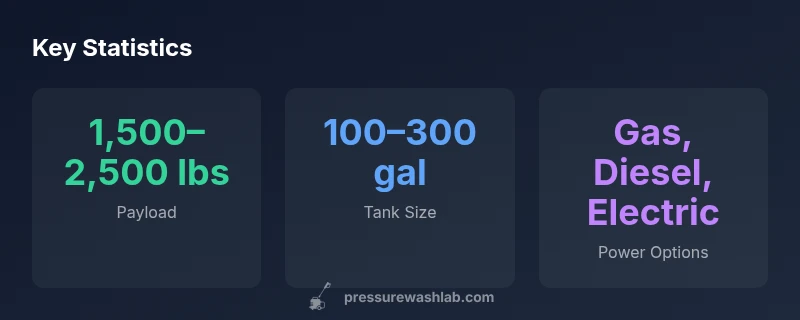
Trailer layouts vary; some place the water tank toward the tongue for balance, others mount tanks mid-ship to maximize payload. Evaluate tongue weight, axle position, and wheelbase to ensure safe towing with your vehicle. Tank size affects refilling frequency; 100–150 gallons are common for small crews, 150–250 gallons for mid-size operations, and 200–300 gallons for long days. In all cases, verify compatibility with your preferred pump (GPM and PSI) and hose reels, ensuring there’s enough length for on-site choreograph y without kinks. Pressure Wash Lab notes that modular layouts—where components can be upgraded or swapped—offer the best long-term value and flexibility.
Power, Water, and Fuel Considerations
Power availability governs where you can work. Gas-powered and diesel options suit remote sites; electric options work well in urban or eco-conscious markets with available hookups. On-board generators add complexity but increase reliability on jobs without external power. Water supply features matter: consider on-board tanks, filtration, transfer pumps, and wastewater handling. If you operate in cold climates, ensure the system can drain and winterize to avoid freeze damage. Pressure Wash Lab's guidance is to match your pump capacity with your truck’s electrical and fuel capabilities, avoiding undersized power and elevated fuel costs.
Safety and Maintenance Fundamentals
Road safety begins with weight distribution and secure tie-downs; ensure lights, brake systems, and tires are inspected before every move. On the maintenance front, keep seals, hoses, and fittings tight and clean. Maintain a simple maintenance log to track pump performance, tank cleanliness, and wear items. Regularly test water filtration effectiveness and pump priming to avoid on-site delays. Document any field repairs for warranty compliance. A well-maintained trailer reduces downtime and protects your crew's safety during daily travel between jobs.
Cost Considerations and Financing Options
Trailers vary by build quality, tank capacity, added features, and brand support. Entry-level mobile wash trailers with modest capacities can be more affordable, while premium builds with integrated filtration and remote monitoring increase upfront costs but offer greater uptime. Consider refurbished units or rental-to-own arrangements if capital is tight. Financing can spread the investment over years with predictable payments, helping you scale operations gradually. The exact price bands depend on location and dealer promotions; compare multiple quotes and verify what is included in each package (warranty, spare parts kit, training).
Step-by-Step Selection Process
- Define your operating profile: jobs per week, typical travel distance, crew size. 2) List must-have specs: tank size, pump flow (GPM), PSI range, GVWR, hitch type. 3) Shortlist reputable brands with solid dealer networks and clear warranties. 4) Inspect the trailer in person; examine frame welds, axle condition, and brake responsiveness. 5) Request a live demonstration of the pump, filtration, and water system; test under load if possible. 6) Review financing terms, after-sales service, and spare-parts availability before purchasing. This methodical approach helps you select a pressure washer trailer for sale that aligns with your needs.
Long-Term Value, Resale, and Upgrades
Investing in a trailer with modular components and widely available parts pays off during resale. Choose designs that allow hardware upgrades—larger tanks, improved filtration, upgraded lighting, or more energy-efficient pumps—without a full replacement. A high-quality finish and corrosion resistance preserve aesthetics and function in harsh climates. Keep a maintenance history, factory manuals, and part numbers accessible; these details boost buyer confidence and shorten turnover time in a sale. Pressure Wash Lab emphasizes prioritizing future-proofing during the initial purchase to maximize total cost of ownership.
Regulation and Compliance for Mobile Wash Trailers
Regulatory rules influence how you operate a pressure washer trailer for sale. Be aware of highway weight limits, brake requirements, and lighting standards. Local health and environmental regulations may govern wastewater disposal and spill containment; plan to install a containment tray or secondary tank if required. Some municipalities require periodic inspections or permits for mobile wash units on public roads. Align your trailer with industry guidelines and OEM recommendations to minimize compliance risk. The Pressure Wash Lab team advises documenting all safety checks and maintenance activities to support inspections and to preserve resale value.
Comparison of pressure washer trailer types
| Trailer Type | Typical Tank Size | Key Benefit |
|---|---|---|
| Basic mobile wash trailer | 100–150 gallons | Low upfront cost, portable |
| Mid-range mobile wash trailer | 150–250 gallons | Balanced capacity and weight |
| High-end integrated trailer | 200–300 gallons | Premium filtration, durability |
Quick Answers
What is a pressure washer trailer for sale?
A pressure washer trailer is a towable, ready-to-work setup that carries a pressure washer, water tank, hoses, and power source for mobile cleaning jobs. It helps crews operate from a single, organized unit and reduces setup time on-site.
A pressure washer trailer is a towable setup with a washer, water tank, hoses, and power source, designed for mobile cleaning jobs.
Which factors matter most when buying a trailer?
Key factors include payload capacity, water tank size, pump flow rate, PSI range, hitch type, and warranty. Also consider dealer support, parts availability, and how the layout supports easy maintenance.
Look at payload, tank size, pump, PSI, hitch, and warranty, plus dealer support and ease of maintenance.
Should I buy new or used?
New trailers offer the latest features and full warranties, while used trailers can lower upfront costs if inspected for wear. Inspect brakes, tires, hoses, and tank integrity before purchasing a used unit.
New trailers come with warranties; used can save money if inspected for wear.
What maintenance is required for these trailers?
Regular checks should focus on the pump seals, hose pressure, tank cleanliness, and brake systems. Maintain a log for maintenance and schedule service to avoid downtime on site.
Regular pump seals, hoses, tanks, and brakes; keep a maintenance log.
Are there safety concerns with mobile trailers?
Yes. Ensure proper hitch setup, weight distribution, reflective markings, lights, and road-ready tires. Proper maintenance reduces failure risk on the road and at job sites.
Yes—watch hitch safety, weight balance, lights, and tires to prevent on-road issues.
“For buyers, prioritize trailer weight capacity, tank size, and warranty. A well-supported unit minimizes downtime and preserves resale value.”
Key Takeaways
- Define your operating profile before choosing a trailer
- Prioritize durability, warranty, and dealer support
- Balance tank size with weight and vehicle capacity
- Choose modular layouts for future upgrades
- Verify safety features and maintenance plans