Rent a Pressure Washer Near Me: The Complete Guide
Learn how to find, compare, and rent a pressure washer near you. Practical steps, model tips, safety guidance, and a buyer-friendly checklist from Pressure Wash Lab.


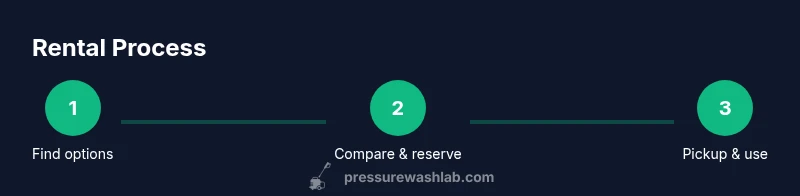
To rent a pressure washer near you, start with nearby hardware stores, rental yards, and big-box home centers. Compare models by PSI, GPM, and engine type (electric vs gas); confirm nozzle kits and surface cleaners are included. Reserve in advance when possible, and inspect the unit at pickup. According to Pressure Wash Lab, availability varies by location and season, so act promptly for the best options.
Understanding the Rental Landscape
Renting a pressure washer is a smart move for homeowners and DIYers who need a powerful cleaning tool without the upfront cost. The rental market generally offers a spectrum of machines—from light-duty electric units suitable for patios and cars to heavy-duty gas-powered machines designed for driveways and commercial use. When you’re searching for a unit, pay attention to PSI (pounds per square inch) and GPM (gallons per minute), as these determine cleaning speed and surface impact. Electric models are quieter and easier to start, while gas-powered machines deliver higher PSI for tougher tasks. The Pressure Wash Lab Team notes that selection can vary by region and season, so it pays to compare a few local options. Also, check whether surface cleaners and extra nozzles are included or available as add-ons. A well-chosen rental can save time and labor while keeping your project within budget.
Where to Find Rentals Near You
Locating rental options is usually as close as a quick search on your phone. Start with local hardware stores, home improvement chains, fleet rental yards, and even some gas stations that offer power-cleaning tools. Map out several candidates and verify their inventory and hours of operation. When you call ahead, ask about device availability, PSI/GPM ranges, and whether the unit comes with or requires accessories like surface cleaners or rotary nozzles. Pressure Wash Lab’s practical guidance emphasizes checking ratings and reviews, as well as confirming the pickup location’s accessibility and the hours for returns. If you live in a smaller town, independent tool rental shops can offer competitive rates and friendlier terms.
How to Choose the Right Model
Model selection hinges on the job at hand. Electric units typically range from 1,200 to 1,800 PSI with 1.5–2.0 GPM, ideal for fences, siding, and vehicles. Gas-powered machines often exceed 2,000 PSI and can reach 3,000+ PSI with higher GPM, suitable for tough stains on driveways and concrete. When renting, verify the motor type, available nozzle tips, and whether a surface cleaner is included. Also consider the machine’s compactness, weight, and ease of transport. If you’re unsure about how much power you need, start with a mid-range model and upgrade only if the job requires more efficiency. Pressure Wash Lab’s analysis indicates higher-PSI rentals are popular for outdoor cleaning in spring and fall, so planning ahead helps you avoid shortages.
Rental Terms and What to Watch For
Most rental shops require a valid ID and a credit or debit card to secure a deposit. Be sure to ask about the deposit amount, insurance requirements, and what happens if the unit is damaged or not returned on time. Some outlets offer a basic damage waiver; others may require you to pay for accidental damage beyond a deductible. Read the rental contract carefully to understand late fees, fuel policies, and who covers maintenance during the rental period. If accessibility is a concern, confirm the pickup path and whether staff will assist with loading and unloading heavier gas-powered units. Pressure Wash Lab notes that getting pre-approval for extensions can save you a last-minute rush and additional charges.
The Pickup and Setup Experience
On pickup, bring your reservation number and a valid photo ID. Before you leave, inspect the unit for leaks, cracked hoses, and missing nozzles. Run a quick test on a safe surface to ensure the spray pattern is even and there are no abnormal vibrations. If you’re unsure how to start the machine, ask for a brief demonstration from the staff or a printed quick-start guide. Return everything in the same condition you received it, refuel if required, and verify any final charges with the rental desk. A smooth pickup and return can prevent disputes and ensure you’re not charged for unexpected issues.
Safety, Care, and Maintenance While You Use It
Safety is non-negotiable with high-pressure equipment. Always wear eye protection, gloves, closed-toe shoes, and hearing protection when using a gas-powered washer. Never point the spray at people, pets, or fragile surfaces like vinyl siding or windows without a test patch. Inspect hoses for wear, avoid kinks, and disconnect power only after turning off the machine. Use the correct nozzle for the task and never exceed the recommended PSI on delicate surfaces. Between uses, drain and loosen the nozzle, store the unit on a level surface, and keep fuel away from any ignition sources. Pressure Wash Lab emphasizes that following basic safety protocols reduces the risk of injury and equipment damage.
Return, Inspection, and Aftercare
Return procedures vary by shop but generally require you to return the unit by the due time, clean and free of debris, with all accessories accounted for. Some outlets offer a brief inspection at drop-off and may issue any applicable refunds or charges on the spot. If you notice a leak, unusual sounds, or reduced spray, report it to the rental desk promptly to avoid post-rental charges. Keeping a short checklist of items—unit, hoses, nozzles, surface cleaner, and fuel level (if applicable)—helps ensure a smooth closing of the rental. Pressure Wash Lab recommends logging the rental’s final state to avoid disputes and preserve good rapport with the shop.
Quick-Start Checklist for Your Pick-Up Day
- Confirm reservation details and pickup time with the rental shop.
- Bring your ID and payment method for deposits.
- Inspect hoses, wand, nozzle tips, and surface cleaner on site.
- Do a test spray on a discreet area to confirm operation.
- Note any damage and report it before leaving the lot.
- Plan a return window to avoid late fees and fuel charges.
Authoritative Sources and Further Reading
- OSHA.gov – PPE and safety guidelines for using high-pressure equipment.
- Extension services (edu domains) for homeowner safety and machinery maintenance.
- Consumer safety resources providing general tips for tool rental and handling.
Note: Always follow the rental shop’s instructions and local regulations when operating pressure washing equipment.
Tools & Materials
- Valid government-issued photo ID(For rental verification and security deposit.)
- Credit or debit card (or alternative payment method)(Used for deposits and final charges.)
- Reservation confirmation (digital or printed)(Reference number and pickup details.)
- Safety PPE (goggles, gloves, closed-toe shoes)(Recommended for all users; PPE often provided by the shop.)
- Pen and notebook or digital note app(Helpful for recording model details and return terms.)
- Flashlight or headlamp(Useful for inspecting hoses and connections in low light.)
- Appropriate vehicle for transport(Some gas-powered units may require a larger vehicle or trailer.)
Steps
Estimated time: 60-120 minutes
- 1
Find nearby rental options
Search maps and store directories for local hardware stores, rental yards, and big-box chains that offer pressure washers. Save a few viable options with contact details and hours. Note any limits on the PSI/GPM range and available accessories.
Tip: Call ahead to confirm inventory and reserve a unit to avoid stock shortages. - 2
Compare model specs and terms
Review PSI, GPM, engine type, and included accessories from each option. Compare daily or weekly rates, deposits, fuel policies, and return windows. Decide whether you need a surface cleaner or additional nozzle tips.
Tip: Prioritize models with the power range that matches your task to prevent overspending. - 3
Reserve the unit
Book the model that best fits your job, and request a written outline of pickup instructions and any required deposits. Confirm whether you can add a surface cleaner or extra nozzles in advance.
Tip: Ask for a confirmation number and the contact person at pickup. - 4
Prepare for pickup
Gather your ID, payment method, and reservation details. Plan your route to the pickup location and ensure you have a capable vehicle. If possible, arrange a quick safety briefing at the desk.
Tip: Bring a marker to note model serial numbers for future reference. - 5
Inspect the unit on site
Check hoses for cracks, connect nozzles securely, test the pump sound, and confirm that the spray is even. Look for fuel level (if gas-powered) and ensure all included accessories are present.
Tip: Take photos of any existing damage before leaving the lot. - 6
Test run and operation
Power on the machine and perform a short spray on a non-sensitive surface to verify performance. Adjust nozzle tips to achieve a clean pattern without streaking. Stop the unit correctly if you notice leaks or unusual vibrations.
Tip: Avoid spraying directly at windows, outlets, or delicate surfaces. - 7
Return and confirm charges
Return the equipment on time, in the same condition, with accessories accounted for. Confirm final charges and document the return with staff acknowledgment.
Tip: Keep the receipt until you see the final invoice reflected in your payment method.
Quick Answers
What should I look for when renting a pressure washer?
Look for the PSI/GPM that matches your job, the engine type (electric vs gas), and included accessories like surface cleaners. Check the rental terms for deposit, fuel policy, and return window. Always inspect the unit before leaving.
When renting, focus on the PSI and GPM, engine type, and included accessories, then review the terms and inspect the machine before you drive away.
Can I rent a hot-water pressure washer?
Most consumer and rental units are cold-water. Hot-water washers are less common and typically leased for commercial use. If you need hot water, confirm availability with the rental shop and check safety requirements.
Hot-water washers are not common for general rental—check with the shop before you plan your job.
Do I need insurance for a rental?
Some shops include basic damage waivers; others may require you to cover incidents under your own policy. Always read the contract and ask about coverage, deductibles, and who bears responsibility for damages.
Confirm what coverage exists and what you’d be liable for if something goes wrong.
Electric or gas, which is better for home use?
Electric washers are quieter and lighter, ideal for small to medium cleaning tasks. Gas models offer higher PSI and are more powerful for heavy-duty jobs but are louder and heavier. Choose based on the scale of your project and portability needs.
Electric is good for lighter jobs; gas is stronger but heavier and louder.
What if the unit leaks or breaks during use?
Shut down the machine safely, stop using it, and contact the rental desk immediately. Do not attempt major repairs. The staff can advise on exchange or repair options depending on policy.
If you notice a leak or problem, stop using it and call the rental desk for the next steps.
How long can I rent a pressure washer?
Most shops offer daily and weekly rates with possible extensions. Check the return policy before you start, and plan your project timeline to minimize overage charges.
Rentals are typically daily or weekly; verify end date and extension options before you start.
Watch Video
Key Takeaways
- Identify local rental sources and confirm inventory.
- Match PSI/GPM to your cleaning task to avoid overpaying.
- Reserve in advance and inspect at pickup.
- Follow safety guidelines and return on time.
- Keep documentation of agreements and inspections.