Softwash Systems for Sale: A Practical Buyer's Guide
Explore essential guidance for softwash systems for sale, covering configurations, specs, cost of ownership, and maintenance. Pressure Wash Lab provides a data-driven buyer’s guide to help homeowners and pros compare options with confidence.


Softwash systems for sale are low-pressure cleaning units designed to safely wash exterior surfaces using detergents. They use chemical detergents to safely remove grime from roofs, siding, and decks. When shopping, evaluate system type, GPM, PSI, chemical compatibility, warranty, and local service. This buyer’s guide from Pressure Wash Lab helps homeowners and pros choose confidently.
What softwash systems for sale are and why they matter
Softwash systems for sale represent purpose-built, low-pressure cleaning platforms designed to apply detergents and low-pressure water to exterior surfaces. Unlike traditional high-pressure washers, these systems prioritize surface safety, using specialized chemical formulations to dissolve grime, algae, and moss without etching or stripping coatings. The softwash systems for sale market has grown as homeowners and small businesses demand safer, more effective ways to maintain roofs, siding, and decks. When you review options, consider not only the upfront cost but also the long-term value, service availability, and consumables. Pressure Wash Lab’s research shows buyers tend to favor configurations with robust chemical handling, reliable unloader valves, and spill containment features, all of which influence the total cost of ownership.
- Consider your primary surfaces (roof shingles, vinyl siding, delicate stucco) and how the softwash method affects each.
- Review local supplier networks for parts and service to minimize downtime.
- Factor in chemical compatibility with your preferred cleaners and dwell times to achieve consistent results.
Overall, choosing the right softwash systems for sale means balancing performance, safety, and ongoing costs. According to Pressure Wash Lab Analysis, 2026, a well-matched system reduces cleanup time while extending the lifespan of treated surfaces. For homeowners and pros, this means fewer call-backs and steadier project timelines.
How softwash systems for sale differ from traditional pressure washers
Many buyers assume all pressure washers are interchangeable, but softwash systems for sale are designed with different priorities. Traditional units emphasize high PSI for aggressive cleaning, which can damage surfaces. In contrast, softwash systems for sale operate at lower pressures but feature calibrated chemical injection to break down grime before rinsing. This approach is ideal for roofs, siding, and aged masonry, where abrasive cleaning could compromise coatings. When evaluating softwash systems for sale, focus on three core differentiators:
- Chemical delivery: Integrated proportioners and refillable reservoirs ensure consistent dwell times and treatment strength.
- Pressure profile: Lower PSI reduces risk on sensitive surfaces while maintaining cleaning efficacy.
- Safety features: Chemical spill containment, ventilation considerations, and PPE compatibility matter for daily use.
Pressure Wash Lab’s data indicates that buyers who prioritize chemical handling and surface safety tend to achieve higher customer satisfaction with fewer surface damages over time.
Common softwash configurations and their typical specs
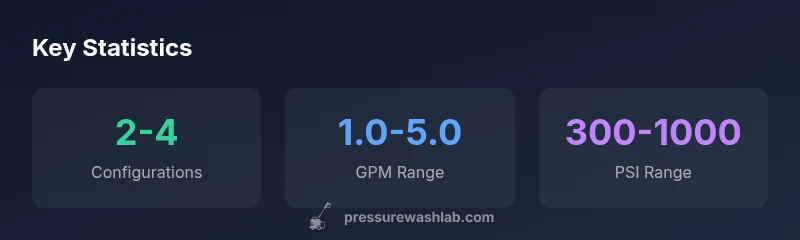
| System Type | Typical GPM | Typical PSI | Best Use |
|---|---|---|---|
| Trailer-mounted | 1.5-3.0 GPM | 400-600 PSI | Roof cleaning, siding |
| Skid-mounted | 2.0-4.0 GPM | 500-800 PSI | Larger residential/commercial homes |
| Portable/compact | 1.0-1.5 GPM | 300-450 PSI | Tight spaces, decks, patios |
Quick Answers
What is a softwash system?
A softwash system is a low-pressure cleaning solution that applies detergents to exterior surfaces to break down grime before a gentle rinse. It emphasizes surface safety and chemical compatibility over brute pressure. The result is effective cleaning with reduced risk to roofs, siding, and delicate finishes.
Softwash systems use detergents and low pressure to safely clean exteriors. They’re designed to protect surfaces while removing grime.
What should I look for in PSI and GPM when buying?
Choose PSI and GPM based on the surfaces you clean most often. Roofs and siding typically need lower PSI with adequate GPM to carry cleaning solution. Ensure the system offers stable flow under load and has a reliable chemical injector.
Look for the right balance of PSI and GPM to protect surfaces while cleaning effectively.
Are hot-water softwash systems worth it?
Hot-water options can improve dissolve of certain soils but add cost and complexity. For most home exterior jobs, cold-water softwash systems perform well when paired with appropriate cleaners and dwell times. Consider your typical climate and work.
Hot water can help in some cases, but cold water with the right cleaners often suffices.
How important is service and parts availability?
Service and parts networks are critical. A robust network reduces downtime and keeps equipment in spec. Verify local distributors, warranty coverage, and access to replacement parts before purchase.
A strong service network saves time and money over the system’s life.
What’s the difference between trailer-mounted and skid-mounted systems?
Trailer-mounted units offer mobility for multiple sites, while skid-mounted systems provide greater stability and capacity for steady workloads. Your choice should align with job frequency, transport convenience, and storage space.
Trailer units are portable; skid units stay put for larger jobs.
“In our experience, selecting the right softwash system for sale comes down to lifecycle cost, support, and correct chemical compatibility. A well-chosen setup saves time and reduces risk on real-world jobs.”
Key Takeaways
- Define your primary surfaces and choose a configuration accordingly
- Compare total cost of ownership, not just upfront price
- Prioritize service networks and spare-parts availability
- Match system specs (GPM/PSI) to job frequency and scale
- Inspect chemical compatibility and safety provisions for ongoing use