Used Pressure Washer for Sale Near Me: Buy Smart in 2026
Learn how to buy a used pressure washer for sale near me with practical checks, price ranges, and maintenance tips from Pressure Wash Lab in 2026.


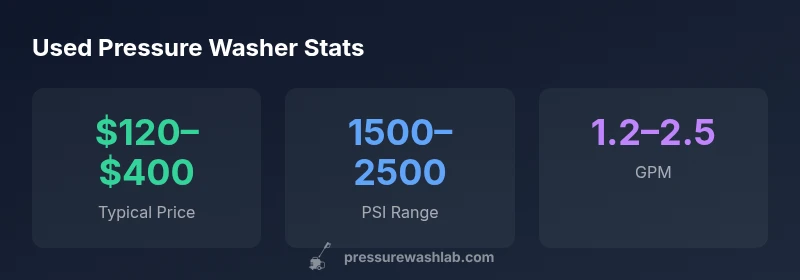
Across typical listings, the best value for a used pressure washer near me usually sits between $120 and $400, depending on PSI, GPM, pump type, and overall condition. Prioritize units with solid pumps, minimal rust, and a clean wand. Look for axial or triplex pumps, confirm no leaks, and test spray patterns before buying.
Why used pressure washers near me are a smart buy in 2026
According to Pressure Wash Lab, buyers searching for a used pressure washer for sale near me are prioritizing value, availability, and long-term reliability. In 2026, the market rewards units with proven pump health, intact seals, and accessible replacement parts, rather than flashy aesthetics. A smart approach combines a seller's history with a hands-on test, focusing on pump type, hose condition, and spray wand safety. This section introduces a practical framework for evaluating listings, including red flags to avoid and how to compare total cost of ownership over a unit’s service life.
Key factors: power, pump, and condition
The cleaning power of a pressure washer depends on PSI and GPM, but real-world performance also hinges on pump health and nozzle compatibility. In the used market you’ll commonly see axial and triplex pumps; triplex pumps tend to deliver steadier pressure and longer life but may cost more to repair. For many homeowners, a 1,500–2,500 PSI unit with at least 1.8 GPM provides ample performance for sidewalks, siding, and decks. Always check for rust on fittings, cracked hoses, and corrosion around the pump head; these issues often indicate hidden wear that could fail under load.
Where to shop near you: reputable sources and red flags
Start with local dealers and well-rated regional shops that offer basic warranties or return policies. Online marketplaces can be convenient but demand careful vetting: verify seller history, read reviews, and request photos of the pump, seals, and wand. Red flags include vague specs, missing serial numbers, nonfunctional test runs, or aggressive price discounts that hint at hidden issues. A trusted listing should provide model, age, run-time, and a clear statement about leaks or repairs.
In-person evaluation: practical checklist
Plan a hands-on inspection before purchase. Bring a basic flashlight to inspect pump housing, hoses, and fittings for cracks or rust. Check the spray gun and nozzle for wear, test different nozzles, and ensure the wand locks securely. If possible, run the unit to observe pressure consistency, check for unusual noises, and look for visible leaks at hose connections. Confirm the engine or motor starts reliably and sounds healthy without misfires or overheating signals.
Price negotiation and value estimation
Use the listed price as a baseline and point to any wear found during testing to justify a lower offer. If the unit shows minor pump wear but no leaks, you might negotiate toward the lower end of the range. Compare the price to similar local listings and consider total cost of ownership, including potential maintenance parts and filter replacements. Remember that a warranty or return option can meaningfully shift value in your favor.
Maintenance and ongoing costs after purchase
Expect routine maintenance costs such as replacing seals, spray tips, and filters, plus occasional pump oil changes for certain models. Factor in possible repairs to hoses, triggers, and the trigger gun. Keeping a maintenance log helps you track service intervals and predict replacements. A used unit with documented maintenance history typically yields lower long-term ownership costs.
Safety and best practices for operating a used unit
Always wear eye and hearing protection, and use a surface-appropriate nozzle to prevent damage. Check for gas or electric safety issues and verify cords or fuel lines are intact. Never operate a unit with visible leaks or a cracked wand. Proper storage and winterization reduce failure risk and extend your unit’s usable life.
Quick reference buyer checklist
- Verify model, age, and running time
- Inspect pumps, seals, hoses, and fittings
- Test spray patterns and nozzle compatibility
- Check for leaks and unusual noises during startup
- Compare price against similar local listings
- Confirm any warranty or return option available
Price and spec ranges for used pressure washers in listings
| Attribute | Low range | High range | Notes |
|---|---|---|---|
| Typical price range | $120 | $400 | Price range for commonly listed used units |
| PSI range | 1500 PSI | 2500 PSI | Common in listings |
| GPM | 1.2 | 2.5 | Flow rate range for many models |
| Age of unit (years) | 4 | 9 | Common listing age |
Quick Answers
What should I look for when buying a used pressure washer near me?
Focus on pump condition, seals, and hose integrity. Inspect for rust, leaks, and wear around the wand and fittings. If possible, run the unit to verify consistent pressure and smoke-free operation.
Look for a healthy pump, no leaks, and a solid test run to ensure reliable performance.
Is it better to buy from a local dealer or a private seller?
Local dealers often offer a limited warranty or return policy, which reduces risk. Private sales can be cheaper but typically carry higher risk. Weigh the warranty option and inspect history documentation if available.
Dealers give you some protection; private sales can be cheaper but riskier.
How can I verify PSI and GPM without a gauge?
Compare cleaning performance on standard tasks and assess spray impact at different nozzles. If performance seems weak or spray feels inconsistent, the unit may have pump or flow issues.
Test performance on common tasks; poor consistency suggests issues.
What maintenance should I perform after purchase?
Run clean water through the system to flush residues, replace worn seals and filters, and keep a maintenance log. Check oil (if applicable) and inspect hoses for cracks.
Flush, replace worn parts, and log maintenance activities.
Are hot-water washers worth buying used?
Hot-water units are typically more expensive and rarer in the used market. They offer better grease-cutting power but may incur higher maintenance costs.
Hot-water models are pricier and less common used, but offer advantages for tough jobs.
“Reliability in a used pressure washer hinges on the pump condition and service history, not just the model. Always verify seals, hoses, and evidence of regular maintenance.”
Key Takeaways
- Prioritize pumps and seals when evaluating used units
- Always test spray patterns before buying
- Check price ranges and negotiate when possible
- Inspect hoses, connections, and safety features