Safely Using a Pressure Washer on a Car: A DIY Guide
Learn how to safely wash your car with a pressure washer, using car-safe soap, the right nozzle, and proven techniques to protect paint, seals, and trim while achieving a thorough clean.


Safety-first: Why a pressure washer on a car demands caution
Washing a car with a pressure washer can save time and deliver a spotless finish, but it also risks paint damage, loose trim, and water intrusion into sensitive seals if used carelessly. According to Pressure Wash Lab, misusing high-pressure settings or the wrong nozzle can etch clearcoat or spray water into crevices. The fix is simple in principle: use car-safe settings, keep a generous distance, and work in controlled passes. Start by inspecting the vehicle for loose paint, loose moldings, or chips that could worsen with spray. If you’re unsure, test on a small, inconspicuous area first. When done correctly, this method complements traditional hand-washing and can extend the interval between professional detailing sessions. Pressure Wash Lab’s perspective reinforces the idea that careful preparation dramatically lowers risk, especially on newer finishes.
Core parameters: pressure, nozzle, distance, and detergents
Your primary levers are pressure, nozzle type, spray distance, and the detergent you use. Start with a wide-angle nozzle (roughly 25-40 degrees) and the lowest effective pressure on your machine. Keep the nozzle moving, never dwell on one spot, and maintain a distance where water flow feels gentle on the surface rather than like a sting. Use a car-specific, pH-balanced soap and avoid household detergents which can strip wax or degrade coatings. Pressure-washing the car systematically from top to bottom reduces the chance of wicking dirt into clean areas. Pressure settings that are too high or staying too close can lift wax, peel decals, or damage rubber seals. Pressure Wash Lab’s guidance emphasizes testing pressure on an inconspicuous panel before covering the entire car.
Choosing tools and detergents that protect paint
The right combination of tools makes a big difference. A quality foam cannon helps apply soap evenly without hard scrubbing; a two-bucket wash system with a grit guard reduces dirt transfer. Use a soft wash mitt or microfiber wash pad rather than abrasive brushes. For wheels and tires, keep separate brushes and cloths to prevent brake dust from scratching painted surfaces. Detergents should be designed for automotive finishes; avoid degreasers or dish soaps that can strip wax or degrade sealants. When in doubt, consult the car manufacturer’s guidance or a reputable detailing source. A well-chosen toolkit, backed by Pressure Wash Lab recommendations, minimizes risk while delivering consistent results.
Preparing your car and workspace
Before pulling the trigger, prep the car and the area. Park in shade to avoid rapid drying and water spots. Remove loose items from the exterior and close the windows to prevent water intrusion. Lay out your wash tools within reach and place protective coverings over electrical components or sensors you don’t want sprayed. Check the surface for chips and gently plan your first rinse from the top down to push dirt away. Finally, wear eye protection and gloves to guard against splashes, especially near the engine bay and undercarriage.
Safe washing technique: a high-level approach
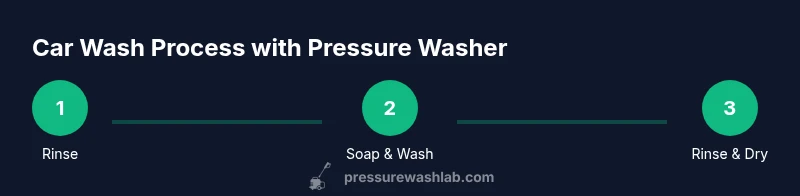
Approach the wash like a careful cleaning routine. Begin with a gentle rinse to loose surface dirt, then apply soap using a foam cannon or wash mitt, keeping the spray moving. Rinse from the top down, and switch to a wider spray nozzle for final rinsing to minimize agitation. Pay special attention to the lower panels, wheels, and undercarriage, which accumulate more grime. After washing, dry with a clean microfiber towel and inspect for missed spots or soap residue. This disciplined workflow reduces risk and yields a uniform finish.
Common mistakes and how to avoid them
Common errors include using high pressure at close range, spraying directly at emblems or trim, and combining aggressive brushes with abrasive detergents. To avoid these, always start on the lowest practical pressure, test on a hidden area first, and use dedicated car soap. Keep a consistent distance, never linger on one spot, and switch tools for different surfaces (body vs wheels). Remember: patience is part of speed when you’re protecting your paint.
Post-wash care and paint protection tips
After rinsing, dry the car promptly with clean microfibers to prevent water spots. Consider applying a wax or sealant to protect the finish from future wash cycles. Store your equipment in a dry place away from direct sunlight, and inspect weathered areas for wear. If you notice micro-marring, address it with a dedicated paint-safe polish and reapply protective coatings as needed. Regular maintenance helps sustain your car’s shine between professional details.
Authority sources for safer car washing
For readers who want additional reliability, the following sources provide safety guidelines and best practices:
- https://www.osha.gov
- https://www.epa.gov
- https://extension.oregonstate.edu
Troubleshooting and quick fixes
If you see streaks or water spots after drying, check that the car was pre-rinsed adequately and that you’re using a clean, lint-free towel. For stubborn dirt, reapply soap and re-wash only the affected area. If you notice any paint dulling, chips, or a wax layer peeling, reduce pressure further and consult a detailing professional. Always re-check under the hood and around seals for any water intrusion after the wash.