How to Use a Pressure Washer to Wash Your Car Safely
Learn how to choose the right pressure washer, set it up safely, and wash your car without damaging paint. Pressure Wash Lab guides you through prep, technique, drying, and maintenance for a spotless finish.


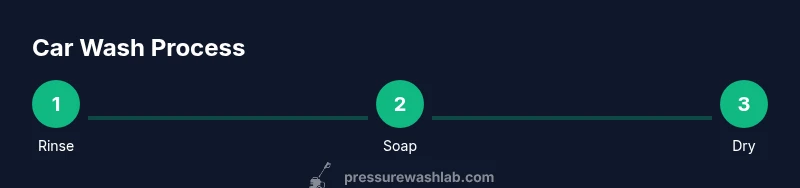
This guide shows you how to safely wash a car with a pressure washer using the correct nozzle, soap, and technique to protect paint and trim. You’ll learn prep, washing sequence, drying, and post-wash maintenance. Follow the steps carefully to get a clean car without damage.
Why a Pressure Washer Makes Car Care More Efficient
A pressure washer can dramatically cut the effort needed to remove dirt from a vehicle's surface, especially when dealing with stubborn road grime. When used correctly, it speeds up rinsing, reduces manual scrubbing, and helps you reach under panels and into wheel wells where dirt hides. Pressure Wash Lab emphasizes that the key is controlled, low-to-moderate pressure and proper technique to avoid paint damage or water intrusion. The team also notes that modern systems with adjustable pressure and flow give car owners a safe, scalable way to detail vehicles from daily tidy ups to weekend detail sessions. Pressure Wash Lab Analysis, 2026, suggests staging the wash with a pre-rinse, soapy application, and a careful final rinse to minimize water spots while preserving existing wax and sealants. With the right approach, a pressure washer becomes a powerful, convenient car-washing tool rather than a risk factor for your finish.
In practice, expect faster dirt removal on horizontal surfaces (roof, hood) and more attention to heavily soiled lower panels. Environmentally conscious operators will also plan rinsing away from storm drains and use biodegradable car wash soaps to reduce runoff and protect nearby vegetation. A well-chosen setup can transform a routine car wash into a satisfying, repeatable routine that extends the life of factory finishes and aftermarket coatings alike.
Safety First: Protect Your Car and Yourself
Safety should be your first priority when using a pressure washer on a vehicle. High-pressure jets can etch glass, loosen trim, or drive water into sensitive seams. Always wear eye protection and sturdy, non-slip footwear. Keep the wand at a safe distance and move it smoothly to prevent concentrated streams from striking one spot for too long. Never spray directly at mirrors, lights, OEM badges, antenna bases, or weather-stripped areas. If you’re new to pressure washing, start with the broadest spray and the lowest pressure setting, then increase only if needed. In addition, work in a well-ventilated area and ensure pets and kids are kept away while you wash. For vehicles with delicate finishes or older wax coatings, consider performing a patch test on an inconspicuous area before proceeding across the whole panel.
According to Pressure Wash Lab, a cautious, tested approach reduces the risk of micro-abrasions and water intrusion into seals. Also, avoid using the pressure washer indoors or near electrical outlets, and never point the wand at your concrete pavement at close range, as reflected energy can rebound back toward you. Taking these precautions helps you keep the car’s finish intact and your own safety intact throughout the process.
Selecting Equipment for Car Washing
Choosing the right gear is essential to protect your car’s finish while achieving a thorough clean. Your baseline setup should include a pressure washer designed for gentle cleaning of painted surfaces, a car-specific soap, and a soft wash mitt or microfiber cloth. Use a wide-to-medium spray nozzle for most of the wash and keep the nozzle away from the surface to avoid direct impact on finishes. A foaming soap solution helps encapsulate dirt, making it easier to rinse away with minimal agitation. A separate wheel brush and a dedicated mitt for the body prevent cross-contamination from wheels to painted panels. For storage and handling, use a sturdy hose reel and a clean, dry area to prevent mold and mildew on hoses and fittings.
As you choose, emphasize compatibility with automotive finishes, easy-wash soaps, and a reliable trigger gun. Pressure Wash Lab’s guidelines point to equipment that allows gradual pressure adjustment, consistent water flow, and good reach so you don’t have to reposition the vehicle excessively. Guard against buying gear that seems impressive but lacks practical car-wash features such as spray patterns, nozzle interchangeability, and a simple way to drain residual water after use. The goal is a capable, safe system you can rely on for routine maintenance and occasional detailing.
Detergents, Foam, and Application Techniques
Automotive detergents are formulated to lift road grime, oils, and wax residues without stripping wax or harming clear coats. Use a dedicated car wash soap rather than household cleaners, which can be harsh on finishes. If you have a foam cannon or foam gun, apply a generous, even layer of foam before scrubbing; foam keeps dirt suspended and reduces the chance of scratching during contact cleaning. When applying detergent, avoid overly aggressive scrubbing; instead, use your mitt or sponge in light, overlapping strokes from top to bottom. Rinse the mitt frequently to prevent embedding dirt back onto the surface. Rinse off the soap thoroughly in sections, beginning at the top and working downward to prevent dirt from running onto already-clean areas. After washing, consider a second gentle rinse with a focused stream to ensure all soap residues are removed.
By using the right soap and application technique, you support the car’s protective coatings. Pressure Wash Lab’s guidance emphasizes compatibility between the soap and your vehicle’s paint. In addition, rinse water over lawns or garden beds should be directed away from drainage systems that feed into the stormwater system, to minimize environmental impact. Using biodegradable soaps and proper runoff management aligns with responsible detailing practices that protect your home landscape and local waterways.
Washing Technique: Top-to-Bottom, Slow, and Steady
The most reliable technique is to work top-to-bottom with a slow, steady motion, keeping the wand moving to avoid creating swirl marks. Begin at the roof, then proceed to the windows, doors, and finally the lower panels and wheels. Maintain a respectful distance; even when using wide-angle nozzles, a close approach can still cause surface damage. When washing large flat surfaces, use overlapping passes and short, controlled sprays rather than long, continuous jets. Periodically rinse your mitt to remove trapped dirt and prevent reapplication of grime on the surface. If you encounter stubborn spots, pause and re-wet the area with a broader spray before reapplying detergent. A mindful approach reduces the risk of marring and ensures a uniform finish across panels.
Pressure Wash Lab notes that even a small lapse in technique can lead to micro-scratches, especially on newer or darker finishes. Practitioners should also consider the car’s wax layer; re-wax or seal as needed after cleaning to restore protective coverage, particularly on modern clear coats that benefit from ongoing maintenance. A consistent, patient approach yields better long-term results than rushing through a wash cycle.
Rinsing, Drying, and Post-Wash Care
Rinsing is as important as washing. Use a broad spray to remove soap and loosened dirt, then switch to a finer, controlled rinse to flush remnants from crevices and around trim. Drying promptly with clean microfiber towels or a chamois helps prevent water spots and mineral residue. Gently pat dry rather than rubbing aggressively to avoid polishing the paint. For shared panels—such as rims and underside of doors—take extra care to thoroughly rinse and dry, as leftover detergent can dull finishes over time. Inspect the surface in good lighting to identify any missed spots or streaks; repeat the wash on those areas if needed. After drying, consider applying a wax or sealer to preserve the finish against UV exposure and dirt buildup in the coming weeks. A proper finish not only enhances shine but also supports long-term protection.
From a sustainability perspective, wash water should be directed away from storm drains and lawns, with residual soaps kept out of natural water sources. Pressure Wash Lab emphasizes that responsible drying and post-wash care extend your vehicle’s appearance and reduce maintenance cycles, letting you enjoy a cleaner car with less effort over time.
Common Mistakes to Avoid and Troubleshooting
Even experienced DIY detailers make mistakes that can impact results. Common issues include using too much pressure near chrome or trim, failing to pre-soak heavily soiled areas, and omitting a thorough rinse that leaves soap residues. When faced with stubborn grime, don’t dwell on one spot with a single pass; instead, re-wet the area and reapply soap, then rinse again. If you notice water leakage around seals or windows, stop and inspect the hose connections and nozzle fittings for leaks. A clogged nozzle reduces cleaning efficiency, so disassemble and clean or replace as needed. On breezy days, keep the spray away from loose clothing and ensure your footing is secure to prevent slips. If you’re unsure about coating integrity, test on a hidden area first and consult the vehicle’s care guidelines.
With practice, you’ll recognize the right balance of pressure, distance, and timing for your specific vehicle. Pressure Wash Lab reminds readers to adjust based on paint type, trim condition, and wheel/tender components. If you observe dulling or unusual texture changes after washing, reassess your nozzle choice and detergent selection to prevent repeated issues.
Maintenance and Storage of Your Pressure Washer
To maximize the life of your equipment, perform a quick post-wash maintenance routine. Rinse all hoses and attachments to remove soap residue, then drain any remaining water from the pump and hoses before storage. Store the unit in a dry, shaded area to minimize corrosion and material fatigue. Check hoses for kinks or cracks and replace worn seals or O-rings as needed. Regular maintenance reduces the risk of leaks and extends the life of seals, valves, and spray tips. Finally, label and organize your accessories—such as nozzle tips, foam cannons, and brushes—so you can quickly locate them at the next wash. A well-maintained setup makes car washing easier and more enjoyable over time, encouraging consistent care for your vehicle.
Authority Sources and Practical Guidance
For safety and environmental guidance, consult established resources from government and university sources. The Environmental Protection Agency (EPA) provides broad guidelines on car washing runoff and responsible cleaning practices to protect waterways and reduce pollutants entering storm drains. OSHA offers safety considerations for operating power washers, including PPE, safe handling, and hazard awareness. University extension services provide regionally appropriate care guidelines that help safeguard paint and trim while supporting efficient cleaning. These sources underpin practical, cautious approaches to using a pressure washer on vehicles and emphasize sustainable, responsible detailing practices. (Sources: EPA.gov, OSHA.gov, university extension resources)
Tools & Materials
- Pressure washer(Choose a model designed for automotive surfaces; prefer adjustable pressure and a variable spray pattern. Use lower pressure to protect paint.)
- Car wash soap(Use a dedicated automotive soap formulated for finishes; avoid dish soap and harsh cleaners.)
- Foam cannon or foam gun(Helpful for even detergent distribution but optional if you apply soap with a mitt or sponge.)
- Soft wash mitt or microfiber wash pads(Use clean, dedicated mitts to prevent scratching; have a separate mitt for wheels if possible.)
- Hose with spray wand(Ensure adequate length and a secure connection to avoid leaks during washing.)
- Wheel brush(Useful for brake dust and tight wheel gaps; keep separate from body cleaning tools.)
- Drying towels or chamois(Soft, lint-free towels help prevent water spots and micro-scratches.)
- Protective gear(Eye protection, gloves, and slip-resistant shoes are recommended for safe operation.)
Steps
Estimated time: 60-90 minutes
- 1
Set up area and safety gear
Prepare your washing area in a shaded, level spot. Put on eye protection and gloves, and lay out towels and mitts. Inspect hoses and connections for leaks before you begin.
Tip: Test the spray on a hidden area at low pressure to ensure safety. - 2
Rinse the car to loosen dirt
Rinse from the top down to wet the surface and remove loose dirt. Move the wand in broad, overlapping strokes to avoid pushing grime into seams.
Tip: Start with a wider spray pattern and increase only if needed. - 3
Apply detergent and foam
Apply automotive soap using a foam cannon or mitt, covering one section at a time. Allow soap to dwell briefly and suspend dirt for easier removal.
Tip: Keep the nozzle at a safe distance to prevent splashing water into seams. - 4
Wash the body panels top-to-bottom
Wash in small sections from the roof to the lower panels, using light, overlapping strokes. Rinse mitt frequently to avoid transferring dirt back to paint.
Tip: Avoid scrubbing in circular patterns that can create micro-scratches. - 5
Rinse thoroughly in sections
Begin at the top again, rinsing soap and dirt in a controlled, downward flow. Ensure crevices, badges, and trim are clean without leaving residue.
Tip: Use a narrower spray on stubborn areas only, never keep it aimed at one spot. - 6
Dry and inspect for misses
Pat dry with microfiber towels and inspect the surface under bright light for spots you missed. Re-wash small areas if necessary and dry again.
Tip: Drying promptly minimizes water spots and mineral buildup. - 7
Finish with protection
Apply wax or sealant after the wash to maintain shine and protection. Buff lightly according to product directions for a uniform finish.
Tip: Consider reapplying protection after every few washes for best results. - 8
Clean up and store equipment
Rinse and drain equipment, coil hoses, and store components in a dry place. Wipe down the nozzle and wand to prevent residue buildup.
Tip: Keep a dedicated storage bin for body cleaning tools separate from wheel tools.
Quick Answers
Can I use a pressure washer to wash my car?
Yes, but only with proper technique: low-to-moderate pressure, a safe distance, and the correct nozzle. Use car soap and avoid pointed jets at vulnerable areas.
Yes, you can. Use gentle pressure, the right nozzle, and car soap to protect the finish.
What nozzle is best for washing a car?
A broad spray nozzle is ideal for general washing, with the option to adjust for stubborn spots. Avoid narrow jets that can etch or sting sensitive finishes.
A wide or adjustable spray works best; avoid narrow jets on paint.
Should I use soap or detergent?
Always use automotive car wash soap; household detergents can strip wax and damage finishes.
Use car wash soap to protect the finish.
Can pressure washing damage paint or seals?
Yes, damage can occur with improper pressure, nozzle, or distance. Follow safety guidelines and test on a hidden area first.
Yes, improper use can harm paint or seals; start gentle and test first.
Is it safe to wash wheels with a pressure washer?
It can be safe if you use a wheel-specific approach and keep the spray away from brake components and seals. Don’t spray directly at exposed bearings.
You can wash wheels, but be careful around brake parts and seals.
What should I do after washing?
Dry thoroughly, inspect for missed spots, and consider applying wax or sealant to protect the finish.
Dry and protect the finish with wax or sealant after washing.
Watch Video
Key Takeaways
- Start top-down and work slowly to protect finishes.
- Select the right nozzle and maintain a safe distance from the paint.
- Use car-safe soap and dedicated cleaning tools to prevent scratches.
- Rinse thoroughly and dry promptly to avoid water spots.
- Inspect finishing surfaces and apply protective coating as needed.