Can You Use a Pressure Washer on a Car? A Practical Guide
Discover safe ways to wash a car with a pressure washer, choose the right settings, and follow a step-by-step method to protect paint and trim. Includes tips from Pressure Wash Lab and practical maintenance guidance.


Yes, you can use a pressure washer on a car, but it requires care. Use a low PSI in the 1200–1900 range, keep the nozzle at a safe distance, and avoid direct spray on glass, seals, and trim. Use automotive soap with a wash mitt, rinse top-to-bottom, and never linger on one spot.
Can you safely wash a car with a pressure washer? Practical reality
According to Pressure Wash Lab, a pressure washer can be a useful tool for car washing when used properly, but misuse can cause paint damage or water intrusion. The key is choosing the right settings, technique, and accessories. The sections that follow explain why a pressure washer can help, where you should be cautious, and how to structure a safe approach. It is about balance: leveraging cleaning power while preserving paint integrity and trim performance. By planning your approach ahead of time, you set a solid foundation for a consistent, safe wash. This is not about blasting away grime with brute force; it’s about controlled, methodical cleaning that respects the car’s surfaces and seals.
A clean car starts with prep: remove loose debris, cover vulnerable areas, and gather your tools. With the right nozzle and distance, a pressure washer helps loosen soil, reduce scrubbing, and improve rinse efficiency. Misuse—such as spraying at close range or hitting delicate edges—can lead to chipping, leaks, and water intrusion. Treat your vehicle like a delicate surface that benefits from steady, measured cleaning rather than a high-speed spray downhill of pressure.
Benefits vs risks: what a pressure washer can do for your car
A pressure washer can dramatically speed up dirt removal, especially on wheels, wheel wells, and grilles, where stubborn grime tends to cling. For light, routine cleaning, it can cut the time and effort required versus traditional bucket-and-sponge washes. However, the risks are real: high pressure at close range can dent soft paint, strip protective coatings, blur edges, or force water behind seals and into trims. Corrosion on metal surfaces and damage to weather stripping are possible if care isn’t taken. The key is to limit pressure, use a wider spray pattern, maintain distance, and keep the jet moving. Pressure Wash Lab’s findings emphasize the importance of a controlled approach and the right accessories (foam cannons, wide-angle nozzles, and automotive soap) to minimize risk while maximizing cleaning efficiency.
Essential gear and settings for car washing with a pressure washer
Choosing the right combination of power, nozzle, and soap is critical. A safe range is typically 1200–1900 psi with a wide-angle nozzle (around 25–40 degrees) for cars. A higher gallon-per-minute (GPM) rating helps rinse soap more effectively, but you should avoid aggressive jets that concentrate pressure. Use automotive-grade detergent rather than household cleaners, and consider a foam cannon to apply soap evenly before rinsing. A long, clean hose and proper extension wand help you maintain distance. Protective gear like safety glasses and gloves reduces the risk of spray contact with eyes or skin. Finally, pre-rinse the car to remove loose dirt and avoid forcing embedded grit into the paint layer.
Step-by-step approach to washing a car with a pressure washer
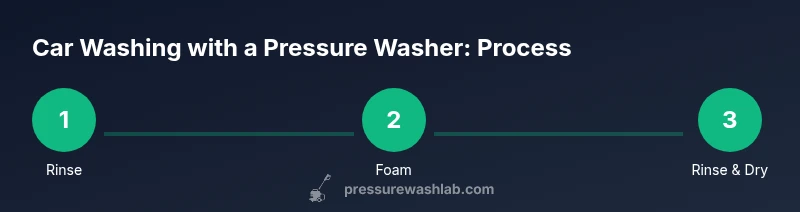
Start by rinsing the vehicle from the top down to loosen surface dirt. Switch to a wide spray pattern and apply a car-safe soap with a foam cannon or low-pressure attachment. Rinse this soap from top to bottom, again moving the nozzle steadily to avoid concentrating spray on any one spot. Focus on wheels and wheel wells with a separate, gentler pass to avoid splashing grime into crevices. Dry the car with microfiber towels or a chamois to prevent water spots. Finally, inspect for any missed areas and touch up as needed with a soft brush or mitt.
Tip: keep the nozzle moving at all times and never spray directly at windows, moldings, or weather seals. If you’re unsure about a panel, test a small, inconspicuous area first.
Common mistakes and how to avoid them
Common mistakes include using too-high pressure, staying too long in one spot, and spraying at sensitive areas like door seals, rubber gaskets, or weather stripping. Avoid using household detergents that can strip wax or damage coatings. Do not spray directly into the engine bay, electrical components, or the interior through gaps. Another mistake is neglecting to pre-rinse or to dry the surface after washing, which can leave water spots or promote mineral deposits. Always start with cool, dry weather and never wash a hot car in direct sun to prevent soap drying too quickly.
Aftercare and maintenance to protect your finish
Rinse thoroughly to remove all soap residues, then dry with clean microfiber towels to prevent water spots. Consider applying a paint protection product or wax after washing to maintain shine and shield the surface from contaminants. Regularly inspect seals and trim for signs of wear or cracking, as damaged edges can be vulnerable to spray. Store the pressure washer in a dry place and keep nozzles clean and free of debris. A well-maintained wash routine helps extend the life of the paint and trim, reducing the need for heavy scrubbing in future washes.
Tools & Materials
- Pressure washer (preferably electric, 1200-1900 psi)(Adjustable pressure is ideal; low-end for cars)
- Wide-angle nozzle or spray wand (25°-40°)(Avoid 0° or 15° for cars)
- Car wash soap formulated for automotive finishes(Ph-balanced, non-abrasive)
- Foam cannon or foam lance(Optional but highly recommended for even soap application)
- Soft wash mitt or microfiber wash pad(Gentle on paint; use clean, dedicated tools)
- Buckets with grit guard (optional)(Use if not using a foam cannon)
- Hose with good reach(Ensure pressure-rated hose; keep water flow steady)
- Wheel cleaner and wheel brush(Non-acidic formulation for alloy wheels)
- Microfiber drying towels or chamois(Blot dry to prevent water spots)
- Safety gear (eye protection, gloves)(Protect eyes from spray; gloves for grip and comfort)
- Protective coverings (plastic or painter’s tape)(Cover sensitive trim or seals if needed)
Steps
Estimated time: 30-60 minutes
- 1
Rinse the car from top to bottom
Use a wide spray pattern to remove loose dirt before applying soap. Maintain distance to avoid forcing grit into the paint. Rinse the lower panels last to minimize splash transfer to already-clean areas.
Tip: Keep the nozzle moving; avoid lingering on any single spot. - 2
Apply soap with foam cannon or low-pressure spray
Apply automotive soap evenly from top down, allowing dirt to lift away without scrubbing. Let the foam dwell for a moment to loosen grime, then proceed with a gentle rinse.
Tip: Start with light contact on the hood and mirrors to test reaction. - 3
Rinse soap off from top to bottom
Thoroughly rinse to remove all soap residues, again moving the jet in a controlled sweep. Avoid spraying into crevices that trap soap.
Tip: Keep water flow steady to avoid creating mineral deposits. - 4
Address wheels and wheel wells separately
Use a dedicated nozzle or brush to clean wheels with low to moderate pressure. Do not spray directly into calipers or brake lines; rinse away brake dust and road grime with care.
Tip: Rinse from the outside-in to prevent dirt from re-depositing on the body. - 5
Dry and inspect the surface
Pat dry with microfiber towels to prevent water spots. Inspect panels for missed spots or soap residues and re-clean if needed.
Tip: Dry systematically from top to bottom to catch drips early. - 6
Optional: protect and maintain finish
Apply wax or paint sealant if desired to enhance protection. Store your equipment properly to extend its life and readiness for the next wash.
Tip: Follow product instructions for cure times and reapplication.
Quick Answers
Can a pressure washer damage a car's paint?
Yes, damage is possible if you use too much pressure or spray too closely. Always use low PSI, a wide-angle nozzle, and maintain distance. Test on a small area first and avoid edges and seals.
Yes, damage can happen if you use high pressure or spray too close. Start with low PSI, use a wide nozzle, and test on a small area first.
What PSI is safe for washing a car?
A safe range is generally 1200 to 1900 PSI with a wide-angle nozzle. Adjust based on your washer and the car’s finish, and avoid concentrated jets on delicate areas.
Most cars do well with 1200 to 1900 PSI using a wide nozzle; avoid concentrated jets on delicate areas.
Should I use soap with a pressure washer?
Yes. Use automotive soap designed for pressure washers or foam cannons. Do not use household detergents, which can strip wax and damage coatings.
Yes. Use automotive soap; avoid household detergents.
Can I pressure wash the wheels and tires?
Wheels are generally safe with lower pressure and a dedicated nozzle or brush. Avoid spraying directly at brake components and seals; rinse thoroughly afterward.
Wheels are okay with low pressure and a dedicated nozzle; avoid brakes and seals.
Is a foam cannon worth it for car washing?
A foam cannon helps distribute soap evenly and reduces direct scrubbing. It’s especially useful for coverage and minimizing contact with the paint.
Yes, foam cannons help with even soap distribution and less direct scrubbing.
Do I need to dry my car after washing?
Yes. Drying prevents water spots and mineral deposits. Use clean microfiber towels and avoid air-drying with dust and debris present.
Yes, dry thoroughly with microfiber towels.
Watch Video
Key Takeaways
- Start with low pressure and a wide spray pattern.
- Keep the nozzle moving to avoid concentrated hits.
- Rinse top to bottom and dry with microfiber towels.
- Protect sensitive areas and use automotive soap.
- Inspect and maintain equipment after each wash.