Can You Wash a Car with a Pressure Washer: Safe Techniques
Learn how to safely wash a car with a pressure washer, including nozzle choice, distance, detergents, and a step-by-step protocol from Pressure Wash Lab.


Yes, you can wash a car with a pressure washer, but you must follow safety guidelines. Use a wide spray tip, keep the nozzle at a safe distance, and avoid sensitive areas. Use automotive detergent, rinse from top to bottom, and dry thoroughly with a microfiber towel to prevent water spots.
Can You Safely Wash a Car with a Pressure Washer?
You can safely wash a car with a pressure washer when you adopt proper technique, gear, and rituals. The key is avoiding high-pressure contact with paint, seals, glass, and exposed hardware. According to Pressure Wash Lab, the main risks come from narrow, direct jets that can engrave swirls, strip wax, or push water into seals. With a thoughtful setup—car-safe detergent, a wide spray pattern, and cautious distance—a pressure washer becomes a powerful ally for removing stubborn grime without compromising finish. If you’re new to this, start with a gentle setting and gradually increase only if the surface remains dirty after the initial pass. This article digs into gear choices, preparation steps, and a safe protocol so homeowners and DIYers can achieve a showroom-like wash without damage.
Essential Gear and Settings for Car-Wash with a Pressure Washer
Choosing the right equipment and settings is the first line of defense against damage. Favor a pressure washer that offers a car-friendly, low-to-moderate pressure option and allows you to swap nozzles easily. Use a wide-angle nozzle to spread the spray and minimize impact on any single spot. Detergents designed for automotive finishes are crucial; avoid household cleaners that can strip wax or dull paint. Keep a soft washing mitt or microfiber cloth handy for gentler areas and to help remove stubborn contaminants after loosening them with the spray. A foam cannon or foam lance can help apply soap evenly, reducing the need for aggressive scrubbing. Finally, have towels, chamois, or a blower on hand to dry surfaces, which helps prevent water spots.
Prep Your Vehicle and Surroundings
Preparation is the secret to a high-quality finish. Park in a shaded area to prevent rapid drying that could leave water spots. Close all doors and ensure windows are fully up to avoid trapping moisture. Rinse the car with plain water to remove loose debris and avoid grinding dirt into the paint when soap hits. Remove or securely cover delicate trim, moldings, and decals that could be damaged by spray or detergents. If you’re washing wheels separately, use a dedicated wheel cleaner and a brush designed for rims, then rinse thoroughly before moving to the body. By setting the stage properly, you reduce the likelihood of unwanted contact or overspray reaching sensitive zones.
Step-by-Step Safe Car-Wash Protocol (Overview)
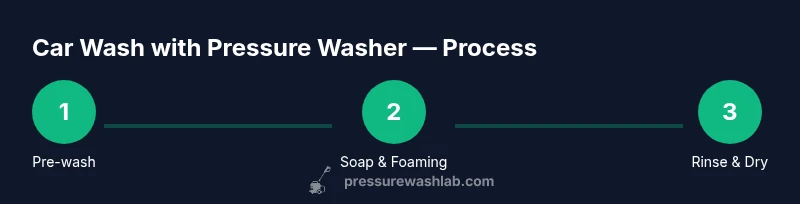
The following process is designed to be practical and repeatable in a home setting. Start with a pre-rinse to loosen grime, apply automotive soap with a foam cannon or mitt, scrub gently in sections, then rinse from top to bottom with a wide spray. Focus extra care on wheel wells, undercarriage, and lower panels where dirt accumulates. Finish with a thorough dry using clean microfiber towels to minimize water spots and swirl marks. This approach emphasizes even soap distribution, minimal agitation, and controlled rinsing to protect paint finishes.
Detailing and Finishing: Drying, Protectants, and Maintenance
After washing, drying is not optional—it's essential. Use breathable, lint-free microfiber towels to pat dry, avoiding vigorous rubbing that can create micro-scratches. If you plan to apply wax or sealant, do so after the car is completely dry. Detailing products designed for automotive finishes help preserve gloss and add hydrophobic properties that resist water spots. Regular maintenance, including periodic waxes and sealants, helps maintain a barrier against dirt and UV damage. Finally, store your pressure washer properly and inspect hoses and connections for leaks; a well-maintained setup reduces the risk of accidental misuse.
Common Mistakes and How to Avoid Them
Common mistakes include using too much pressure on sensitive areas, spraying directly at window seals or emblems, and neglecting a proper pre-rinse that can drive grit into the paint. Another pitfall is applying soap from a too-close distance or letting the spray linger on edges and trim, which can wear away protective coatings. To avoid these issues, always start with the least aggressive setting, keep a generous distance, and test a small patch first. If you see any signs of concern—such as dulling, hazing, or spots—pause and reassess your gear and technique.
Tools & Materials
- Pressure washer with adjustable PSI and car-friendly mode(Look for a low-to-moderate pressure setting and easy nozzle swapping)
- Car-specific detergent(pH-neutral; designed for automotive finishes)
- Foam cannon or foam lance(Helpful for even soap application)
- Wide-angle nozzle (low-pressure setting)(Avoid concentrated jets; keep spray broad)
- Microfiber wash mitt or soft cloth(Non-abrasive to prevent scratches)
- Two buckets or rinse system(One for soap, one for rinse; reduces dirt transfer)
- Microfiber towels for drying(Dry from top to bottom to prevent water spots)
- Soft brush for wheels(Use on rims and tires only)
- Eyewear and gloves(Protection from soap and debris)
Steps
Estimated time: 25–40 minutes
- 1
Inspect and prep area
Assess the car’s finish and identify sensitive areas. Move any accessories away from the spray path and cover or secure trim that could be damaged. This step reduces the risk of accidental damage during washing.
Tip: Test a small area with the spray on a low setting before proceeding. - 2
Apply car detergent with foam
Using a foam cannon or mitt, apply a light, even layer of soap to loosen dirt. Avoid piling soap on one spot; uniform coverage helps prevent scratching when you scrub.
Tip: Let the soap dwell briefly but do not let it dry on the surface. - 3
Rinse from top to bottom
Rinse the roof and upper panels first, then work downwards. Keep the nozzle in a broad pattern and at a moderate distance to prevent forceful contact with seams or edges.
Tip: Never aim at windows, mirrors, or seals. - 4
Gently scrub stubborn areas
Switch to a microfiber mitt for sections with stuck-on grime, such as the grille and lower panels. Use light pressure and small circular motions.
Tip: Focus on one panel at a time to avoid re-depositing dirt. - 5
Rinse again and inspect
Give a thorough final rinse, ensuring soap and dirt are fully removed. Look for any missed spots and re-wash as needed.
Tip: Pay attention to wheel arches where grime hides. - 6
Dry and protect
Pat surfaces dry with clean towels or chamois. After drying, apply wax or sealant as desired to protect the finish and ease future cleaning.
Tip: Drying helps prevent water spots and swirl marks.
Quick Answers
Is it safe to wash a car with a pressure washer?
Yes, it is safe when you use the right nozzle, maintain distance, apply automotive detergent, and follow a proper wash sequence. Avoid directing high pressure at sensitive areas like seals and glass.
Yes—it's safe when you use the right nozzle, keep a safe distance, and follow proper steps.
What nozzle is safe for cars?
A wide-angle, low-pressure nozzle is preferred for car washing to spread the spray and minimize impact on paint and seals.
Use a wide-angle nozzle with low pressure to protect the finish.
Can I wash wheels with a pressure washer?
Yes, but use a dedicated wheel cleaning approach and avoid spraying directly at brake components. Consider a separate pass with wheel-specific cleaners and brush.
Yes, but use a wheel cleaner and a separate rinse to avoid brake areas.
Should I use household soap or automotive detergent?
Use automotive detergent designed for finishes. Household soaps can strip wax or etch the paint over time.
Choose car-safe soap to protect the finish.
Do I need to dry the car after washing?
Yes, drying prevents water spots and helps reveal any missed dirt spots needing a quick rewash.
Yes—dry thoroughly to avoid spots and ensure a complete finish.
Is a foam cannon necessary?
Not strictly necessary, but a foam cannon makes soap application even and reduces the need for aggressive scrubbing.
Not required, but helpful for even soap distribution.
Watch Video
Key Takeaways
- Start with the gentlest setting and test on a patch first
- Use car-safe detergent and a wide spray pattern
- Rinse top-to-bottom to protect the finish
- Dry thoroughly to prevent spots and swirl marks
- Protect the finish with wax or sealant after drying