Can You Pressure Wash a Car? Safe Techniques and Best Practices
Learn how to safely pressure wash a car with step-by-step guidance, gear, and tips to protect paint, seals, and sensors. Pressure Wash Lab explains proper technique for homeowners and DIY enthusiasts.


Can you pressure wash a car? Yes, but with care. Use low pressure, a wide spray, and car-safe detergent. Rinse from top to bottom, pre-treat heavy grime, and avoid spraying directly at trim, seals, and sensors. Maintain a safe distance to protect paint. Follow the step-by-step guide for best results.
Can You Pressure Wash a Car? Essentials
The common question, can you pressure wash a car, is answered with care. The safe approach is to adjust pressure, distance, and technique to protect the paint, seals, and trim. According to Pressure Wash Lab, the right method starts with a thorough rinse to loosen dirt, followed by a car-safe detergent, and ends with a gentle rinse that lifts grime without scouring the surface. A wide spray pattern reduces risk better than a focused jet, and working from the top down helps runoff clear areas already cleaned. If grime clings around door seals, wipe it away promptly to prevent seepage. Drying with clean microfiber towels helps prevent water spots and mineral buildup. This approach minimizes risk while delivering real cleaning power, especially on older finishes or vehicles with delicate clear coats. Practice on a hidden area first and adjust your technique based on how the surface responds. With attentive technique, you can achieve a professional-looking result without damaging the finish.
Tools, Detergents, and Setup
Before you begin, assemble the right tools and supplies. Your goal is to control the wash intensity and keep the surface lubricated so dirt slides away rather than grinding into paint. Essential items include:
- A pressure washer with adjustable pressure and a soap/ detergent nozzle
- A wide-angle spray nozzle (20–40 degrees) to maximize gentleness
- A foam cannon or detergent bottle designed for automotive finishes
- A car-specific detergent that is pH-balanced and biodegradable
- A soft wash mitt, microfiber towels, and a gentle wheel brush
- Tarps or painter’s plastic to protect sensitive areas like wiring and electrical connectors
- A garden hose with a stable water source and a nozzle for pre-rinse
- A drying setup with clean microfiber towels or a chamois
Optional but helpful items: wheel cleaning brush, clay bar kit, and a sealant or wax for post-wash protection. Store your materials in a dedicated bin so you can access them quickly during the wash. Setting up a dedicated wash zone, away from lights and outlets, helps safety and keeps runoff away from landscaping. When selecting detergents, choose automotive products labeled safe for clear coats and avoid anything with solvents that can strip finishes.
Choosing the Right Pressure Washer Settings
Dialing in the right pressure and spray pattern is critical for car care. Start with the lowest effective pressure and a broad spray. A narrow, high-velocity jet can gouge paint, while a wide fan distributes soap and water more evenly. Maintain a steady distance and move methodically across surfaces. For heavy grime on lower panels, switch to a more direct but still gentle pass, then revert to wide spray for the final rinse. Detergent dwell time matters too—allow 1–2 minutes for the cleaner to loosen dirt, but don’t let it dry on panels. A pre-rinse helps lift grime without forcing it into crevices. If you see streaks or pitting, back off the pressure and adjust your angle. Finally, use a plain-water rinse to clear residues before drying. Consistency matters more than raw power; the goal is a uniform, clean finish without damage.
Step-By-Step Approach to a Safe Car Wash
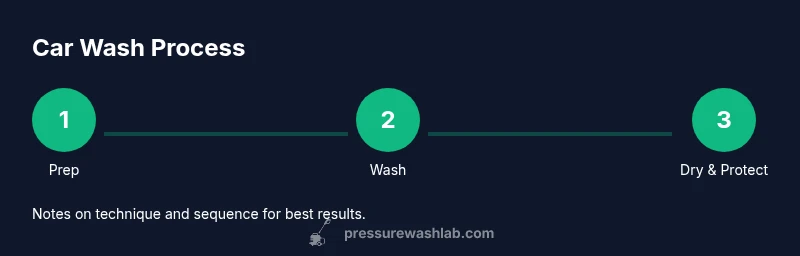
This section provides a high-level roadmap for washing a car with a pressure washer. The goal is to build good habits before you start and then follow precise sequences to minimize risk. Begin with a clean, safe area and the right tools. Rinse to remove loose debris and prevent scratching by lifting surface grime rather than grinding it in. Apply a vehicle-safe detergent with a foam cannon or spray bottle to blanket the surface evenly, ensuring the cleaner has time to loosen embedded dirt without drying on panels. After that, use broad, overlapping strokes starting at the top and working downward, pausing briefly on heavily soiled areas to re-wet if needed. Finally, rinse thoroughly from top to bottom, ensuring no soapy film remains, then dry promptly with microfiber towels. If you plan to apply a protective wax or sealant, perform that step after the vehicle is completely dry for best bonding.
Safety Considerations When Pressure Washing a Car
Safety first: wear eye protection and avoid spraying near electrical components, airbags, sensors, and vents. Keep the nozzle moving to avoid concentrating jets on one spot, and maintain a steady distance to protect paint. Protect the surrounding area from overspray and runoff, especially if you have landscaping. Use detergents approved for automotive finishes and avoid any cleaners containing solvents or bleach that can degrade coatings. After washing, inspect for loose trim or seals and address any issues before driving.
Cleaning Different Surfaces on a Car
Paint surfaces respond best to soft washing with mild detergents and generous lubrication. Chrome and aluminum trim should be rinsed carefully to avoid water spots, while plastic and rubber components benefit from a milder rinse and a soft sponge. Glass should be rinsed gently to prevent streaks, and sensor housings should never be sprayed directly; keep the spray slightly off to avoid damage. Always test a small area first to gauge how the surface reacts to detergent and water pressure, then proceed with broader coverage.
Drying, Waxing, and Protection After Washing
Drying promptly prevents water spots and mineral deposits. Use clean microfiber towels or a dedicated drying towel to pat surfaces dry rather than dragging, which can mar paint. Once dry, apply a coat of wax or a sealant to boost gloss and provide a sacrificial layer against dirt. This protective layer helps repel grime and makes future washes easier. If you prefer a no-wipe finish, consider a spray-on ceramic coating or a dedicated spray wax, following the product directions for cure times and layers.
Common Mistakes and How to Avoid Them
Common errors include using high-pressure jets on paint, backtracking over cleaned areas with abrasive brushes, and forgetting to protect wheels and sensors. Always start with a top-down rinse and end with a thorough rinse to prevent soap residues. Do not spray directly at weather seals or airbags, and never use a solvent-based cleaner on sensitive coatings. Finally, avoid letting wet surfaces air-dry in sunlight, which can cause water spots and micro-marring.
Long-Term Care and Maintenance Tips
Regular maintenance preserves the finish and resale value. Schedule periodic washes using appropriate detergents, and consider sealing or waxing every few months to maintain protection. Rinse after exposure to coastal air or winter road salt to prevent corrosion, and inspect seals and trim for damage after heavy washing. Store equipment properly to prevent leaks and mildew, and replace worn mitts and towels to maintain effective cleaning power.
Tools & Materials
- Pressure washer with adjustable pressure(Choose a model with a wide-range nozzle and a detergent reservoir)
- Wide-angle nozzle (20–40 degrees)(Prevents surface gouging; use for most of the wash)
- Foam cannon or detergent bottle(Applies friction-reducing soap evenly)
- Car-specific detergent(PH-balanced; biodegradable preferred)
- Soft wash mitt and microfiber towels(Gentle on paint; use separate towels for wheels)
- Wheel brush and soft-bristle brush(For tires and rims without scratching)
- Tarps or painter’s plastic(Protects sensors and wiring from overspray)
- Garden hose and connector(Stable water supply; avoid kinks)
- Drying towels or chamois(Pat-dry technique to prevent water spots)
- Protective wax or sealant(Optional post-wash protection)
Steps
Estimated time: 30-45 minutes
- 1
Prep and safety setup
Clear the area, connect power and water, and inspect the vehicle for loose parts. Fit protective coverings over handles or sensitive areas.
Tip: Check for loose trim and avoid spraying near air bags or sensors. - 2
Pre-rinse the vehicle
Rinse the car from top to bottom to loosen surface dirt and prevent grime from grinding in as you wash.
Tip: Let runoff carry away loose debris; don’t press hard against paint. - 3
Apply detergent with foam cannon
Apply an even coat of car-safe detergent to all surfaces, focusing on heavily soiled areas.
Tip: Allow 1–2 minutes for the cleaner to work; keep the nozzle moving. - 4
Wash in sections with gentle strokes
Start at the roof and work downward in overlapping passes; rinse sections between passes to prevent soap buildup.
Tip: Do not linger on one spot; the goal is uniform coverage. - 5
Rinse the vehicle thoroughly
Rinse from top to bottom with clean water, ensuring all soap and residue are removed.
Tip: Watch for hidden soap in crevices where it can dry. - 6
Rinse wheels and lower panels separately
Use a dedicated nozzle angle and brush to avoid spray contact with painted surfaces.
Tip: Wheel wells accumulate grit; rinse them last. - 7
Dry and inspect after wash
Pat dry with towels and inspect for missed spots or streaks.
Tip: Address streaks immediately with a light rub. - 8
Apply protection (optional)
If desired, apply wax, sealant, or ceramic coating after drying.
Tip: Follow product directions for cure times. - 9
Final check and storage
Store equipment dry and clean; empty detergent reservoir as needed.
Tip: Shake out towels to remove trapped grit before storage. - 10
Evaluate results and repeat as needed
Review the finish in good lighting and plan your next maintenance wash.
Tip: Regular maintenance saves time and effort later.
Quick Answers
Is it safe to pressure wash a car?
Yes, with the right settings, distance, and detergents. Avoid spraying sensitive areas directly.
Yes, it is safe if you use proper technique and avoid sensitive parts.
What PSI should I use on a car?
Use the lowest effective pressure with a wide spray to minimize risk to paint and seals.
Start with the lowest pressure possible and adjust as needed.
Should I use a foam cannon?
Yes, it helps apply detergent evenly and reduces direct contact with the paint.
Foam creates a protective layer and helps lift grime.
Can I use bleach or harsh cleaners?
Avoid bleach and solvents that can damage coatings, seals, and trim.
Don’t use harsh cleaners; choose automotive-safe products.
What about sensors and cameras?
Keep the spray away from sensors and cameras; use long, sweeping motions instead of direct hits.
Be mindful of sensors—avoid spraying them directly.
Do I need to dry before applying wax?
Yes, ensure the surface is completely dry before applying any protective coating.
Dry completely before applying wax for best bonding.
Watch Video
Key Takeaways
- Start with a safe rinse and car-friendly detergent
- Use low pressure and wide spray for protection
- Work Top-to-Bottom to control runoff
- Dry promptly and protect with wax or sealant