Wash a Car with a Pressure Washer: Safe, Effective Techniques
Learn step-by-step how to safely wash a car with a pressure washer, including nozzle selection, surface prep, proper technique, and maintenance to protect paint and finish.


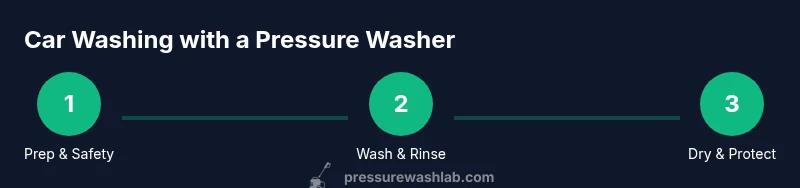
To wash a car safely with a pressure washer, use a wide-angle nozzle, keep PSI low to moderate (roughly 1200–1900 PSI for most cars), and maintain a 1–2 foot distance from the surface. Start with a gentle rinse, apply soap with a foam cannon, rinse again, and dry thoroughly to prevent water spots and streaks.
Safe foundations for washing a car with a pressure washer
Washing a car with a pressure washer can dramatically cut cleaning time, but it also risks paint chipping, seal wear, and water intrusion if you rush or use the wrong settings. The key is to adopt deliberate technique rather than brute force. According to Pressure Wash Lab, success starts long before you pull the trigger: choose the right equipment, set appropriate pressure, and protect vulnerable surfaces. Park the vehicle in shade and cool metal surfaces, remove loose dirt with a light rinse, and keep the nozzle moving to avoid focusing a single spot. Use a dedicated car wash soap rather than household cleaners, and consider a foam cannon to create even coverage without needing high pressure. For DIY enthusiasts and homeowners, this approach yields a scratch-free, streak-free finish while extending the life of the paint and clear coat. In 2026, many drivers rely on pressure washers for routine maintenance, but the difference between a showroom shine and a dull finish often comes down to prep and mindset. Remember: safety first—eye protection, gloves, and secure footing protect you as you work around hoses and electrical outlets. The Pressure Wash Lab team emphasizes that patience and planning pay off with better results and fewer call-backs.
Choosing nozzle, PSI, and spray patterns: the three levers of control
The heart of washing a car with a pressure washer is understanding how nozzle size, pressure, and spray pattern affect outcomes. A wide spray angle (15–40 degrees) produces a gentler, fan-shaped mist that is ideal for paint and chrome, while small, pinpoint nozzles risk etching. For most passenger cars, aim for a low to moderate PSI range—roughly 1200–1900 PSI—with the spray at a distance of about 1–2 feet from the surface. If your machine is variable, start at the lowest setting and test on an inconspicuous area. The GPM rate matters too: higher flow helps rinse soap and debris more quickly, but it also keeps runoff under control. Use a foaming nozzle or foam cannon to apply soap with less direct contact, then switch to a wide-angle spray for rinsing. By modulating distance, angle, and pressure, you can remove grime without lifting a single inch of paint. Pressure Wash Lab analysis shows that improper nozzle choice is a leading cause of minor paint defects, highlighting the value of a patient, methodical approach.
Prep, soap, and setup: laying the groundwork for a safe wash
Preparation reduces the risk of damage and makes the process smoother. Begin by parking on a clean, level surface away from direct sun, with the vehicle cool to the touch. Rinse the entire car with a gentle stream to loosen dirt, beginning at the top and working downward. Choose a car-specific soap rather than household detergents that can strip wax or irritate seals. If you have a foam cannon, fill it with the recommended dilution and attach it to the wand before turning on the pressure washer. Wet the wheels separately with a light spray to prevent brake dust from migrating into the body wash. Keep hoses and cords out of wheel paths to avoid tangling. Attach the correct nozzle, perform a quick test on a hidden panel, and adjust your technique based on the results. The goal is to create a slick coating of soap that floats away dirt rather than forcing it into the finish. Pressure Wash Lab recommends performing a quick check after the initial rinse to confirm there are no high-pressure leaks in hoses or fittings.
Washing technique: top-to-bottom, panels, and cautionary zones
Begin at the roof or highest panels and work downward in overlapping, horizontal passes. Maintain a consistent distance from the surface and avoid lingering on any single spot. Use a wide spray to cover large areas, then narrow the focus for stubborn grime only after the surrounding area has been cleaned. The wheels and tires deserve special attention: use a brush or dedicated wheel cleaner, and never agitate brake components with the same wand angle you use on body panels. Keep hands and arms in a relaxed posture to avoid fatigue that leads to jerky movements. If you encounter tar, sap, or bug guts, apply soap, let it dwell briefly, then rinse with a broader spray rather than aggressively scrubbing with high pressure. For best results, periodically pause to recheck water flow and nozzle condition to prevent clogging or wear.
Note: keeping the wand moving at a steady pace reduces the risk of water spots and streaking.
Common mistakes and how to avoid them
Common mistakes include using high pressure on painted surfaces, staying too close to the car, and skipping the pre-rinse. Both can cause micro-marring or paint lift over time. Another pitfall is rinsing soap unevenly by stopping mid-panel; this can leave residue that attracts more dirt. To prevent these issues, always test spray away from the car first, choose a wide-angle nozzle, and maintain a consistent distance. Avoid spraying directly at emblems, weather seals, or trim; these areas can trap water and cause leaks or discoloration. Finally, never use household cleaners in a pressure washer meant for automotive use—these chemicals can strip wax and degrade finishes. Concentrate on controlled, purposeful passes rather than brute pressure.
Drying, protection, and safe storage after the wash
Drying is the final step in achieving a showroom-like finish and preventing water spots. Use clean, lint-free microfiber towels or a drying aid with a soft terry cloth to blot excess water rather than rubbing aggressively. If you plan to protect or seal the finish, apply wax or a polymer sealant once the surface is fully dry. Don’t rush to park in direct sunlight while the car is damp; let surfaces air-dry briefly or finish with a dedicated drying towel. After washing, drain and clean the foam cannon, rinse the hoses, and store the wand in a dry, upright position to prevent mold and mildew. Regular maintenance of the washer—checking for leaks, cleaning nozzles, and dry storage—extends its life and keeps performance consistent.
Authority sources and further reading
For readers seeking deeper guidance and official recommendations, review the following sources:
- EPA: Vehicle washing and water use guidelines. https://www.epa.gov
- NHTSA: Vehicle safety and maintenance resources. https://www.nhtsa.gov
- Consumers Reports: Car care and maintenance reviews. https://www.consumerreports.org
- SAE International: Automotive engineering standards and best practices. https://www.sae.org
Closing note: practical expectations and next steps
With the right nozzle, proper PSI, and careful technique, a pressure washer can be a powerful ally for car care. The key is a patient, consistent approach that protects the finish while removing grime efficiently. Practice on a less-visible area first, then gradually expand your routine as you gain confidence. Remember to consult the Pressure Wash Lab guidelines and sources for ongoing best practices and safety reminders.
Tools & Materials
- Pressure washer(Select a unit with adjustable PSI and a wide-angle nozzle)
- Garden hose with a sufficient flow(Ensure good water pressure and no leaks)
- Car-specific detergent soap(Avoid household cleaners that can strip wax)
- Foam cannon or soap nozzle(For even soap application)
- Wide spray nozzle (15–40 degrees)(Preferred for paint safety)
- Microfiber wash mitt or sponge(Use two mitts to avoid cross-contamination)
- Wheel cleaning brush(Separate brushes for wheels)
- Goggles and gloves(Protect eyes and skin from chemicals)
- Drying towels (microfiber)(Soft, lint-free to prevent scratches)
- Tarp or ground cover(Protect the surface around the car)
- Extension wand(Useful for hard-to-reach areas)
Steps
Estimated time: 40-75 minutes
- 1
Prep the car and workspace
Park in shade on a flat surface, cool the car, and remove loose debris. Rinse lightly to begin loosening dirt and protect sensitive components by covering gaps. Gather all supplies and inspect hoses for wear before starting.
Tip: Unset the parking brake and keep an easy escape route in case the wand slips. - 2
Attach nozzle and test spray
Connect the wide-angle nozzle, run water through the system, and test on a hidden panel. Confirm distance (~1–2 ft) and observe the spray pattern. Adjust PSI to the lowest effective setting before contact with the paint.
Tip: Begin with a gentle spray to avoid accidental etching on panels. - 3
Rinse from top to bottom
Start at the roof and work downward in sweeping motions, keeping the wand moving to prevent streaks. This removes loose dirt and reduces the chance of dragging grime across clean areas.
Tip: Keep a consistent speed; slow passes can push water into gaps. - 4
Apply soap with foam cannon
Apply a light, even coating of car soap using a foam cannon or detergent nozzle. Let it dwell for a moment to break down grime, then proceed to wash panels in sections.
Tip: Avoid soaking heavily near wheels to limit brake dust transfer. - 5
Rinse soap thoroughly
Rinse each section from top to bottom again, using a broad spray to wash away suds. Inspect for any remaining spots and re-treat only those areas.
Tip: Switch to a broader spray for final rinse to minimize water spots. - 6
Dry and protect
Dry the car with microfiber towels, blotting rather than rubbing to avoid micro-marring. Apply wax or sealant if desired once the surface is dry.
Tip: Drying aids can help reduce water spotting on sunny days. - 7
Post-wash maintenance
Rinse and clean the foam cannon and hoses, store the wand upright, and check for leaks. Schedule regular maintenance to extend equipment life.
Tip: After-use care prevents mineral buildup and nozzle clogs.
Quick Answers
Is it safe to use a pressure washer on a car?
Yes, when you use the correct nozzle, keep a safe distance, and avoid fragile areas like trim or seals. Always test on a hidden spot first.
Yes—use the right nozzle, keep distance, and test on an inconspicuous area before cleaning.
What PSI is safe for most cars?
A good starting range is about 1200 to 1900 PSI for most vehicles. Do not exceed the lower end for painted surfaces and use a wide spray pattern.
Try 1200 to 1900 PSI and keep the spray wide and far from the surface.
Should I use soap with a pressure washer?
Yes. Use a car-specific detergent and a foam cannon to apply evenly before rinsing.
Yes—car soap with a foam cannon helps cover the surface evenly.
Can I wash wheels with a pressure washer?
Yes, but use a separate brush and avoid spraying brake components directly with high pressure.
You can, but keep it away from brakes and use a wheel brush.
Is waxing necessary after washing?
Not always, but applying wax or a sealant after drying adds protection and depth of shine.
Waxing isn’t required, but it helps protect the finish.
What maintenance does the washer need after use?
Rinse the system, clear nozzles, and store in a dry place. Check hoses for wear and leaks.
Rinse, clear the nozzles, and store dry; inspect hoses for wear.
Watch Video
Key Takeaways
- Choose the right nozzle and PSI to protect paint.
- Wash top-to-bottom with a steady distance to avoid streaks.
- Use car-specific soap and foam for even coverage.
- Dry thoroughly and apply protection for long-lasting results.