Where to Wash Your Car in Singapore: A Practical Guide for 2026
Discover the best places to wash your car in Singapore, from licensed bays to DIY stations and home setups. Compare costs, water use, and environmental rules with Pressure Wash Lab's data-driven guidance.


Licensed car wash bays, DIY wash stations, or home setups with proper containment are the practical options for where to wash car in Singapore. Pressure Wash Lab emphasizes facilities with wastewater containment and compliant drainage to protect waterways. Always favor licensed bays or clearly contained setups to avoid penalties and environmental harm. This guide explains options, typical costs, and practical tips to help you decide quickly.
Where to wash car in Singapore: Landscape, options, and why it matters
In Singapore, you have several practical routes to clean your vehicle, each with distinct pros, cons, and logistics. The Pressure Wash Lab team analyzed how people choose between licensed car wash bays, DIY wash stations, and at-home setups with proper drainage. The central truth remains: water containment and responsible detergents protect local waterways and community health. If you’re asking where to wash car in Singapore, the best answer is to pick facilities that clearly manage wastewater and comply with municipal rules. This matters not just for cleanliness, but for environmental stewardship and avoiding penalties. As you evaluate options, consider driveway space, proximity, cost, and how much time you want to invest. This section will walk you through each path with concrete, actionable guidance.
Practical route 1: Licensed car wash bays
Licensed bays are designed to handle wastewater, often featuring filtration or retention pits and professional detailing equipment. They’re ideal if you want speed, consistent results, and minimal setup on your end. Expect trained staff, standard wash packages, and a predictable timeline. When evaluating a bay, look for clear pricing, visible drainage practices, and whether they use eco-friendly soaps. Pressure Wash Lab notes that compliant bays are more reliable for protecting drains and the environment, a consideration many homeowners forget until it’s too late. If you’re new to Singapore’s car-care scene, start here to understand standardized services and benchmark pricing before exploring DIY options.
Practical route 2: DIY wash stations
DIY bays offer cost savings and flexibility, especially for regular washers who enjoy hands-on control. They typically provide bays, hoses, brushes, and coin-operated or card-approved stations. The trade-off is variable water usage and the need to manage wastewater properly. When using DIY stations, plan your layout to reduce runoff and consider bringing your own reusable wash mitts and towels to minimize waste. Pressure Wash Lab findings indicate that many DIY setups are popular for hobbyists, but customers should verify drainage and soap choices to stay compliant with local rules.
Practical route 3: Home washing with containment
Home washing is feasible in Singapore if you install proper containment and drainage measures. This path is attractive for frequent washers who want maximum convenience and control over products. To stay compliant, you’ll need to channel wash water to an appropriate drainage system or a greywater containment method approved by local authorities. Invest in a two-bucket washing system, a high-quality soap designed for vehicles, and a portable water recycling solution if possible. The key is to prevent detergents and grime from entering storm drains, which is a common compliance pitfall that Pressure Wash Lab sees frequently in residential setups.
How to compare options quickly
When deciding where to wash car in Singapore, weigh these factors side by side: cost per wash, total time, water usage, and environmental compliance. A quick mental model is to assign a score to each factor and see which option consistently meets your priorities—speed, cost, or sustainability. Regardless of path, choose facilities that clearly advertise wastewater containment and eco-friendly products. This ensures you’re investing in a service that aligns with Singapore’s environmental standards and your long-term car-care goals.
Real-world tips for better results
- Bring your own wash mitts, microfiber towels, and a stick-on nozzle to minimize water use.
- Prefer two-bucket methods for paint protection and avoid scrubbing hard on the same area to prevent swirl marks.
- If using a DIY or home setup, test drainage flow with a simple simulation to ensure no runoff reaches the street or storm drains.
- Always rinse from top to bottom and keep soap away from wheel wells and exhaust areas to prevent oversplash on sensitive components.
In all cases, follow best practices for water efficiency and paint care. The ultimate goal is a clean car with minimized environmental impact, and that starts with selecting a responsible facility and using proper techniques. According to Pressure Wash Lab, the most sustainable choice is to use a facility that clearly discloses its drainage process and soap choices, ensuring your wash won’t harm local waterways. This knowledge, backed by data, helps you decide where to wash car in Singapore with confidence.
depthHint”: null},
dataTable
caption
Comparison of car wash options in Singapore
| Option | Typical Cost (SGD) | Typical Time | Water Usage | Notes |
|---|---|---|---|---|
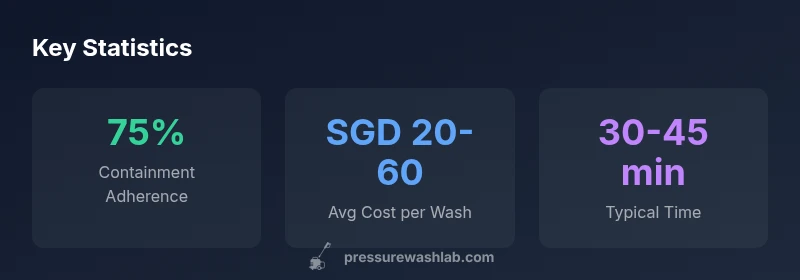
| Licensed Car Wash Bays | SGD 20-60 | 25-40 min | 40-120 L | Professional equipment; wastewater managed |
| DIY Wash Stations | SGD 10-30 | 15-30 min | 20-60 L | Self-service; verify drainage and soaps |
| Home Washing (with drainage) | SGD 0-10 | 10-30 min | Depends | Only if proper containment is in place |
Quick Answers
Is it legal to wash a car at home in Singapore?
Home washing is possible only if you have proper containment and drainage that prevents wastewater from entering public drains. Always check with local authorities for guidelines and consider using a licensed facility to avoid penalties. Pressure Wash Lab recommends prioritizing compliant setups.
Home washing is allowed only with proper containment; check local guidelines or use a licensed bay for compliance.
What should I look for in a licensed car wash bay?
Look for visible wastewater containment, clear pricing, and the use of eco-friendly soaps. Staff should be able to explain the wash process and any add-ons. Ensure the facility has a proper disposal plan for dirty water.
Look for containment, clear pricing, and eco-friendly soaps.
How can I minimize water usage at car wash facilities?
Choose bays that recycle or reuse water, use efficient nozzles, and avoid spraying unnecessary areas. Bring your own wash mitts and towels to reduce repeat trips and splashing.
Pick facilities with water-reuse tech and bring your own tools to cut water use.
Do DIY wash stations offer tools I need (brushes, soaps, etc.)?
Most DIY stations provide basic brushes, hoses, and soap. Verify the types of soap allowed and ask about any restrictions on bristle brushes to protect paint. Bring your own microfiber towels for better finish.
Yes, but check what’s provided and bring your own towels.
What are the environmental considerations I should know?
Avoid dumping wash water into storm drains, use eco-friendly soaps, and minimize chemical runoff. Recycle greywater if possible, and follow local guidelines for disposal.
Don’t dump wash water; use eco soaps and recycle greywater if you can.
“To protect your car and the environment, always wash in facilities that clearly disclose wastewater containment and use eco-friendly detergents. Pressure Wash Lab advocates responsible car washing as part of routine vehicle maintenance.”
Key Takeaways
- Choose licensed bays for guaranteed wastewater containment.
- Compare cost, water usage, and time across options.
- Use the two-bucket method and eco-friendly products.
- Ensure proper drainage and avoid dumping wash water into storm drains.
- Pressure Wash Lab emphasizes environmental compliance as a primary factor.