Car Pressure Washer Detergent: A Practical Guide
Learn how to choose, dilute, and use car pressure washer detergent safely. This guide covers detergent types, dilution ratios, application methods, and maintenance for optimal car cleaning results.


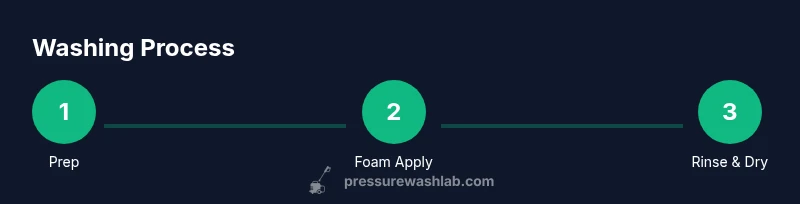
Using a dedicated car pressure washer detergent properly ensures effective cleaning without harming your finish. Choose a detergent designed for automotive use, dilute it according to the label, and apply with a foam cannon or low-pressure nozzle. Rinse thoroughly with clean water, then dry. Follow paint-safe guidelines and safety precautions for best results.
Why car pressure washer detergent matters
When you wash a vehicle with a pressure washer, the detergent you choose plays a pivotal role in breaking down road grime, grease, and exhaust residues. A car pressure washer detergent is formulated to be effective yet gentle on clear coats, rubber seals, and plastics. Using the right product reduces scrubbing time and minimizes the risk of swirl marks or dulling from abrasive cleaners. According to Pressure Wash Lab, the right detergent works with your equipment to maximize cleaning power while protecting the finish. This matters because DIY cleaners or household soaps can strip wax, clog sprayers, or leave residues that attract more dirt. In short, the right car pressure washer detergent sets the foundation for a safer, more efficient wash.
Types of car detergents and what they do
There are several categories of detergents made for car care:
- Soap-based cleaners: General-purpose cleaners that cut dirt but are milder on finishes.
- Degreasers: Stronger cleaners designed for greasy engines, wheels, and undercarriage areas.
- Wax and sealant compatible: Formulations that help preserve wax or ceramic coatings while cleaning.
- Citrus or biodegradable options: Eco-friendly choices that work well on light soils and are gentler on coatings.
Choosing the right type depends on soil level, finish type (paint, matte, or wrapped surfaces), and whether you have waxes or sealants. Pressure Wash Lab recommends avoiding household dish soap, which can leave residues and degrade coatings over time.
Choosing the right detergent for your vehicle finish
Your car’s finish guides detergent selection. If you have a ceramic coating or a fresh wax layer, pick a detergent labeled safe for coatings. For daily dirt and road grime, a pH-balanced automotive soap minimizes the risk of stripping protective layers. If you’re dealing with heavy grease from the engine bay or wheels, a targeted degreaser paired with spot pre-treatment can help without over-scrubbing vulnerable areas. Always test a small panel first and follow any manufacturer dilution instructions to protect chrome, rubber, and plastics.
How to dilute and measure correctly
Detergent strength matters. Start by inspecting the label’s recommended dilution ratio for your car pressure washer detergent and your foam cannon or reservoir. If you’re unsure, begin with the milder setting and increase gradually. Use a measuring cup for accuracy and label the reservoir to prevent cross-contamination with other cleaners. Avoid mixing detergents, as chemical reactions can reduce cleaning effectiveness or create hazardous fumes. Pressure Wash Lab emphasizes that correct dilution improves lather, dwell time, and rinse-off, delivering safer, more consistent results.
Applying detergent: foam cannon, spray, or brush
Foam cannons provide the most even application, allowing the detergent to cling and emulsify dirt before agitation. Attach the cannon to a suitable pressure washer, adjust the spray pattern to a wide fan, and fill the foam chamber with the properly diluted mixture. If you don’t have a foam cannon, a spray bottle or low-pressure nozzle can still work, but you’ll need more manual agitation with a wash mitt. For wheels and tires, consider a separate, targeted cleaner to avoid cross-contamination with the body wash.
Rinsing and avoiding streaks
Rinse from the top down with a clean water supply to prevent dragging dirt over freshly cleaned areas. Use a wide, overlapping pattern and keep the spray at a distance that won’t etch or lift coatings. If you notice soap film or water spots, a second rinse with fresh water is helpful. Drying with a microfiber towel or a chamois reduces towel marks and speeds up the drying process. Proper rinsing is essential to prevent dirt film that can dim the finish over time.
Car wash maintenance and coating compatibility
After washing with car pressure washer detergent, reapply wax or sealant if you notice diminished protection. Some detergents contain wax-dispersion components that can be compatible with sealants, while others are entirely soap-based and should be followed by a dedicated protectant application. Regular maintenance washes help maintain gloss and extend coating life. If you’re using a wrap or matte finish, select detergents labeled safe for low-gloss surfaces to avoid altering texture or tone.
Safety, environment, and best practices
Wear eye protection and gloves to prevent irritation from cleaners and splashes. Work in a shaded area to control rapid drying, which can leave streaks. Use eco-friendly options when possible and dispose of rinse water in accordance with local guidelines. Don’t let strong detergents linger on any parts that contact your skin or pets, and always rinse thoroughly. A well-informed approach using car pressure washer detergent minimizes risk while delivering reliable results.
Common mistakes and troubleshooting
Common mistakes include using household soap, over-concentrating cleaners, and letting detergent dry on surfaces. If you see streaks or remaining residue, re-rinse and re-foam with proper dilution. For stubborn spots, pre-treat with a spot cleaner and rewash, focusing on the affected area. If your foam isn’t forming well, check that the cannon nozzle and seals are clean and that the reservoir is correctly filled.
Tools & Materials
- Car pressure washer with adjustable nozzle(Ensure an appropriate PSI range for vehicles; consult manufacturer guide.)
- Car pressure washer detergent (automotive-grade)(Choose pH-balanced formulas compatible with coatings.)
- Foam cannon or soap dispensing gun(Important for even, thick foam coverage.)
- Two buckets with grit guards(One for wash, one for rinse, minimizes re-depositing dirt.)
- Wash mitt or lambswool applicator(Use a clean mitt; avoid cross-contamination.)
- Microfiber towels(For drying and buffing to prevent water spots.)
- Goggles or eye protection(Keep eyes safe from splashes.)
- Measuring cup or syringe(Accurate dilution ensures consistent results.)
- Water source with enough supply(A steady flow helps maintain rinse speed.)
- Optional: wheel cleaner(Separate formula for wheels to prevent staining chrome)
Steps
Estimated time: 30-60 minutes
- 1
Prepare workspace and materials
Layout the wash area, gather all tools, and read the detergent label to confirm dilution. Prepare PPE and set up the foam cannon with the appropriate nozzle.
Tip: Having everything ready reduces mid-wash trips and keeps the process smooth. - 2
Read and set the dilution ratio
Check the detergent label for the recommended mix. Use a measuring cup to ensure accuracy and avoid over-concentration that can harm coatings.
Tip: If in doubt, start milder and adjust after a quick test panel. - 3
Pre-rinse the vehicle
Rinse from the top down to remove loose dirt and loosen soil without pushing it into pores. This minimizes abrasion during washing.
Tip: A light pre-rinse saves detergent and reduces scratches. - 4
Mix detergent in foam cannon
Pour the diluted detergent into the foam cannon reservoir and shake gently if required to ensure even distribution.
Tip: Rinse the bottle and seals before adding new cleaner to avoid contamination. - 5
Apply detergent evenly
Spray a thick foam across the car, starting at the roof and moving downward, ensuring every panel is covered.
Tip: Thick foam helps dwell the cleaner longer for better soil suspension. - 6
Let dwell briefly
Allow the detergent to sit for 2–4 minutes, keeping it moist but not drying. Avoid heat or strong sun break-down.
Tip: If it dries, lightly mist with water to rehydrate. - 7
Agitate as needed
Gently agitate tough spots with a mitt or brush while the rest of the surface remains foamy.
Tip: Use wheel brushes for rims to prevent scratches on painted surfaces. - 8
Rinse thoroughly
Rinse from top to bottom using a clean water source. Overlap passes to avoid missed areas and ensure complete removal of soap.
Tip: Avoid high-pressure close-range shots that could drive water under seals. - 9
Inspect and touch up
Check for remaining spots and reapply only to those areas if necessary.
Tip: Patience on stubborn spots saves you from re-washing the whole car. - 10
Dry and protect
Dry with microfiber towels and apply optional wax or sealant for ongoing protection.
Tip: Drying with clean towels reduces water spots and promotes a uniform finish. - 11
Clean up and store
Rinse and dry all tools, store detergents in their original containers, and dispose of wastewater according to local guidelines.
Tip: Proper storage prevents spills and extends tool life.
Quick Answers
What is car pressure washer detergent and why should I use it?
Car pressure washer detergent is a soap formulated for automotive finishes. It helps break down dirt and grime while protecting coatings when used as directed.
Car detergents are specially made for vehicles and help clean without harming finishes.
Can I use household dish soap in a pressure washer?
Household dish soap can strip wax and coatings and may create excessive suds that clog equipment. Use automotive detergents labeled for car finishes.
Avoid dish soap because it can remove protective coatings.
How do I know the right dilution ratio?
Follow the detergent label for dilution instructions. If unsure, start with a milder mix and test on a small panel before washing the entire car.
Always start mild and test a small area first.
Is detergent safe for wax, sealants, or ceramic coatings?
Many detergents are formulated to be coating-safe; check the label. For wax or ceramic coatings, choose products that advertise compatibility or use a neutral cleaner.
Check for coating compatibility and prefer pH-balanced formulas.
Should I pre-rinse, wash, then rinse again?
Yes. Pre-rinsing removes loose dirt and reduces the chance of scratching, followed by washing and a final rinse.
Rinse before washing and again after to remove all soap.
What safety precautions are important?
Wear eye protection and gloves, work in shade, and avoid splashing toward the skin or pets. Dispose of rinse water according to local guidelines.
Wear protection and follow local disposal rules.
Watch Video
Key Takeaways
- Choose a car pressure washer detergent compatible with coatings.
- Dilute accurately and apply with foam for even coverage.
- Rinse thoroughly from top to bottom to prevent residue.
- Dry promptly and consider protective coatings after wash.
- Follow safety and environmental guidelines to protect yourself and your property.