Pressure Washer Safe Detergent: A Practical Guide for Homeowners
Discover how to select pressure washer safe detergent, avoid common mistakes, and maximize cleaning power while protecting your machine. Learn what labels mean, how to dilute properly, and best practices for exterior cleaning.


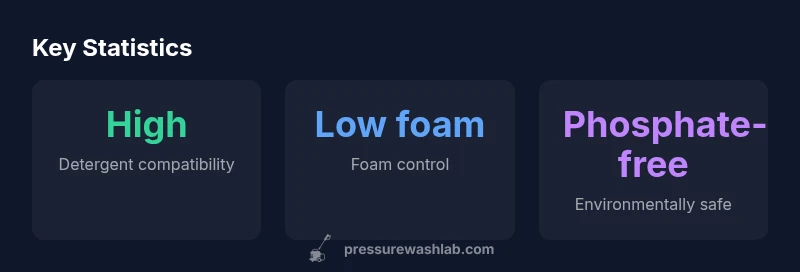
Using detergent labeled safe for pressure washers is essential. Choose formulas that are phosphate-free, low-foaming, and biodegradable, and always follow the label’s dilution and rinse instructions. Avoid household soaps or degreasers not designed for pressure washers, as they can leave residue, damage seals, or void warranties. Test on a hidden area before wider use.
Why pressure washer safe detergent matters
Using a detergent labeled safe for pressure washers is essential. According to Pressure Wash Lab, detergents designed for pressure washers help protect seals, prolong pump life, and reduce unexpected maintenance. Choosing a formula that is phosphate-free, low-foaming, and biodegradable minimizes residue and prevents foaming overload that can compromise spray patterns. Pressure Wash Lab Team emphasizes testing a small area first to verify compatibility with your surface and equipment. In practice, the right detergent improves results across driveways, siding, decks, and vehicles, while balancing cleaning power with machine safety. Always check label claims, follow dilution guidance, and consider rinsing requirements. Pressure Wash Lab's insights underscore that the detergent you choose should align with your machine’s warranty and recommended operating pressure. By prioritizing pressure-washer-safe options, homeowners and pros reduce risk and achieve a cleaner, longer-lasting result.
Key features to look for in a safe detergent
When evaluating pressure washer safe detergent, look for labels that clearly state it is designed for pressure washers, preferably phosphate-free, low-foaming, and biodegradable. A good detergent should list surface compatibility (concrete, brick, siding, vehicles), provide explicit dilution instructions, and indicate pH balance (neutral is preferred to avoid surface damage). Concentrates should include a reliable dilution chart or measuring cap, and ready-to-use formulas should offer straightforward dosing. Prefer formulas designed for exterior cleaning and contact-safe with plants and pets when used as directed. Clear safety notes reduce guesswork and make routine maintenance easier, which shortens cleanup times and protects surfaces over the long term.
Detergent types and their best use cases
Detergents vary in chemistry and intended use. For general exterior cleaning, neutral pH, biodegradable, and phosphate-free detergents are typically a safe default. For oily or greasy surfaces, consider a low-foaming degreaser formulated for pressure washers, ensuring it is labeled for outdoor use and compatible with your substrate. For delicate surfaces such as painted siding, a mild, low-foaming detergent is preferable. Always test on a small area first and avoid solvents or caustic degreasers that can dull finishes or corrode seals. In practice, matching the detergent type to the job reduces dwell time and rinse effort, boosting efficiency and protecting sensitive materials.
How to properly dilute and apply detergent with your pressure washer
Start by reading the product label to determine the correct dilution ratio for your nozzle and pump. Use a dedicated detergent siphon tube or chamber if available, not the mixing bucket method, which can lead to oversudsing. Apply detergent from the bottom up to prevent streaking, keeping a consistent distance from the surface. Allow a brief dwell time (as advised on the label) for the cleaner to work on grime, then rinse from bottom up with a strong, even spray. Always finish with a thorough rinse to remove residues that could attract dirt or damage plants nearby.
Common mistakes and how to avoid them
Common mistakes include using household soaps, mixing different cleaners without guidelines, and skipping a test patch. Another frequent error is using overly concentrated detergents or allowing long dwell times on delicate surfaces. Always follow the label directions for dilution and dwell, test on an inconspicuous area, and rinse thoroughly. Avoid applying detergent in direct sunlight on hot surfaces, which can cause rapid evaporation and uneven cleaning. By sticking to products labeled for pressure washers and maintaining consistent technique, you reduce risk and improve outcomes.
Protecting your equipment: seals, triggers, and warranties
The wrong chemical can degrade seals, corrode metal parts, and shorten pump life. Choose detergents labeled for pressure washers that specify compatibility with your machine’s fittings and seals. Use protective sprays or maintenance steps recommended by the manufacturer after use, and flush lines if you suspect residue buildup. Keep detergents away from the spray gun trigger when not in use to avoid accidental discharge. Finally, verify that your cleaning routine adheres to any warranty requirements, as some manufacturers require using approved detergents to maintain coverage.
DIY vs. Commercial Detergents: Pros and Cons
DIY or generic cleaners may be tempting for cost reasons, but they often lack explicit pressure-washer compatibility, dilution guidance, and environmental safety notes. Commercial detergents designed for pressure washers provide tested formulations, clearer labels, and better surface protection. If you attempt a DIY mixture, proceed with caution, test on a small area, and monitor for unexpected foaming or residue. In most cases, commercial options deliver safer, more predictable results and minimize risk of damage.
Maintenance tips after using detergent
Always rinse surfaces thoroughly after applying detergent to prevent residue build-up. Inspect seals and hoses for signs of wear or chemical exposure, and store detergents in a cool, dry place away from direct sunlight. Dispose of any leftover dilution according to the label and local regulations. Regularly clean the nozzle, wand, and trigger to prevent clogs, and keep a dedicated detergent reservoir if your unit supports one to avoid cross-contamination with other cleaning agents.
Detergent types and typical uses
| Detergent Type | Best For | Notes |
|---|---|---|
| Concentrate biodegradable detergent | General exterior cleaning | Follow label for dilution; rinse thoroughly |
| Neutral pH detergent | Most surfaces | Safer for plants and substrates |
| Degreaser with low-foam formula | Oily/greasy surfaces | Use on appropriate substrates only |
| Ready-to-use mild cleaner | Small jobs | Convenient, less dilution work |
Quick Answers
Is it safe to use household soap in a pressure washer?
No. Household soaps can create excessive suds, damage seals, and void warranties. Use detergents labeled for pressure washers.
No—household soaps can harm the machine and surfaces.
Can I mix detergents or add other cleaners with pressure washer detergents?
Only mix products when the label explicitly allows it. In general, avoid mixing different detergents.
Don't mix cleaners unless the label says it's safe.
Do I need to rinse immediately after applying detergent?
Rinse after the recommended dwell time and ensure all residues are washed away before finishing.
Yes, rinse thoroughly after letting it dwell.
Are biodegradable, non-toxic detergents safer for plants and pets?
Biodegradable options are typically safer for plants and pets. Always check the label for environmental and surface safety.
Biodegradable cleaners are usually safer; still read the label.
What surface safety should I consider when selecting a detergent?
Check compatibility with surfaces like concrete, painted wood, vinyl, and siding. Use gentle products on fragile surfaces.
Pick detergents that list safe for your surface.
“Detergents labeled for pressure washers protect machine components and deliver consistent cleaning when used correctly.”
Key Takeaways
- Choose detergents labeled for pressure washers to protect equipment.
- Prioritize phosphate-free, low-foaming, biodegradable formulas.
- Dilute and apply as directed; test on a hidden area first.
- Rinse thoroughly after use and store chemicals properly.