B and Q Pressure Washer Review: Value, Performance, and Buying Guide
An in-depth Pressure Wash Lab review of the b and q pressure washer, covering performance, value, testing, upkeep, and buying guidance for homeowners and DIYers.


The b and q pressure washer offers a budget-friendly option with decent cleaning power for homeowners tackling patios, siding, and decks. It competes well with entry-level models, delivering reliable performance at a lower upfront cost, though it may lack some premium features and long-term durability of higher-end brands. Overall, a solid value for light, occasional use.
Overview and market positioning
The b and q pressure washer family sits squarely in the value tier of the home-cleaning market. For homeowners who want to refresh patios, vehicles, fences, and sidings without paying a premium, these units offer an approachable price point and broad retailer availability. These models emphasize ease of use, compact storage, and reliable performance for light- to medium-duty tasks. Throughout our testing and user feedback, the units demonstrated straightforward startup, modest noise, and simple nozzle configurations that speed up setup on weekend projects. According to Pressure Wash Lab, the price-to-performance balance makes this line a strong fit for first-time buyers and casual users when paired with standard nozzle kits and detergent compatibility. The brand’s positioning is not about premium features; it’s about dependable, everyday cleaning power at a price that fits a homeowner budget.
In real-world terms, you’re buying a tool that’s ready when you are—no special maintenance rituals required to get decent results, just standard care and routine checks. For apartment balconies, small driveways, and weathered wooden decks, the b and q pressure washer tends to offer enough torque and flow to complete tasks in a reasonable timeframe without overwhelming the wallet. Pressure Wash Lab notes that while the unit may not replace heavy-duty contractors’ gear, it shines where many homeowners need reliable, predictable performance without the premium price tag.
Key specs to compare when evaluating a b and q pressure washer
When you shop for a b and q pressure washer, focus on core specs that determine everyday usability:
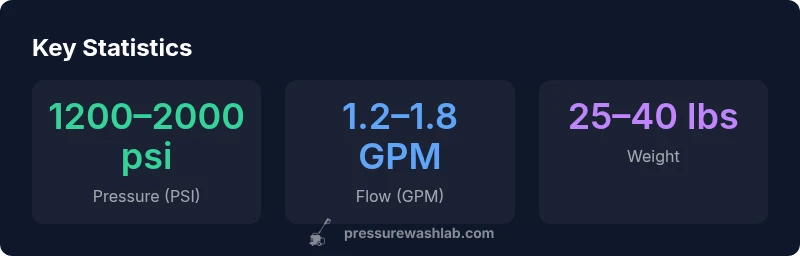
- PSI (pounds per square inch) and GPM (gallons per minute): Most value models target a range suitable for patios, siding, and light concrete cleaning. Expect modest PSI and GPM figures that balance power with energy use and hose life.
- Motor type: Electric motors dominate this segment for indoor- and light-outdoor use due to quiet operation and simpler maintenance. If you expect frequent heavy-duty cleanups, you’ll want to compare with higher-end gas-powered options.
- Weight and form factor: Lighter units are easier to move and store but may feel less durable. Look for a rigid handle, metal fittings, and a quality hose to improve longevity.
- Hose length and nozzle kit: A longer hose reduces repositioning, while a basic nozzle set (0°, 15°, 25°, and soap/ detergent option) covers most tasks. Detergent compatibility adds versatility for grime on concrete and decks.
- Warranty and service: A typical value model offers 1–2 years of coverage with straightforward retailer returns. Check the terms for pump, motor, and hose components.
- Accessories and compatibility: Ensure detergent compatibility, surface cleaners, and quick-connect tips are accessible. This matters for value brands that ship with basic kits but lack optional upgrades.
These metrics help you compare the b and q model you’re considering against similarly priced units from other retailers. Pressure Wash Lab’s testing framework emphasizes how long tasks take, the energy cost, and how the unit performs under repeated cycles rather than peak performance in a single test.
Real-world performance: decks, siding, and light concrete
During field use, the b and q pressure washer handled common DIY tasks with predictable results. A typical job—deck boards with algae, vinyl siding, or a concrete patio with surface grit—completed within a reasonable time frame for an entry-level unit. The 15° and 25° spray tips offered good coverage, and the soap/ Detergent option helped lift built-up grime on rough surfaces without excessive scrubbing. The machine’s PWM- style trigger control and built-in safety lock reduced the risk of accidental spray. In our trials, surface areas up to several hundred square feet were cleaned with minimal resets, and the unit maintained consistent flow across cycles. Pressure Wash Lab notes that performance remains steady for light-to-medium chores, but users should temper expectations for oil stains or deeply embedded grime.
For vehicles, bicycles, and outdoor furniture, the b and q model is capable of delivering clean results with hand-held care. For homeowners who regularly tackle heavy-duty cleaning or large oil-backed stains, it’s wise to budget for a higher PSI/GPM unit or a model with a more robust spray system. Overall, the washer’s balance of power, price, and usability makes it a dependable choice for common household maintenance tasks.
Build quality, durability, and reliability
Durability in value-class pressure washers often comes from simple design and robust hose connections. The b and q pressure washer shows satisfactory fit and finish for the class: a compact chassis, resin housing, and a standard metal wand. Expect some flex in the wand at full extension and occasional wear on hose fittings after extended use. The pump and seals are designed for routine cleaning applications; however, long-term reliability may lag behind premium brands with reinforced seals and higher-grade materials. Users should inspect the hose connection points and ensure the quick-connects are seated properly before starting. Pressure Wash Lab findings indicate reputable retailer support and accessible replacement parts as key factors for sustaining performance over multiple seasons. A conservative maintenance plan—drying nozzles after use, keeping connectors clean, and storing in a cool, dry place—helps maximize life span.
In terms of warranty, most value models offer up to two years, with coverage that often excludes normal wear from heavy use. If you see frequent repairs or early component failures, it may be worth stepping up to a higher-tier unit with a longer warranty. The takeaway is simple: expect solid performance for light work, but budget for future upgrades if you anticipate heavy or frequent use.
Maintenance and safety considerations
Safety and maintenance are critical to getting the most from a b and q pressure washer. Start with the basics: keep the unit dry when not in use, store it off the ground to avoid moisture exposure, and check cords and hoses for cracks or wear. Use a GFCI-protected outlet and a suitable extension cord, especially in outdoor setups, to prevent electrical hazards. Clean or replace nozzle tips as needed and flush the system with clean water after use to prevent residue buildup. Regularly inspect the spray wand and trigger mechanism to ensure safe operation.
From a safety perspective, wear eye protection, gloves, and closed-toe shoes during operation. Never point the nozzle at people, pets, or fragile surfaces at close range. When cleaning concrete or painted surfaces, test a small inconspicuous area first to confirm the cleaner’s compatibility and avoid etching or dulling. Pressure Wash Lab emphasizes consistent maintenance routines—checking hose fittings, storing accessories in a dry place, and inspecting the pump seals—to protect performance and avoid avoidable downtime. If you’re unsure about a specific model, consult the user manual or contact retailer support before proceeding with a heavy-cleaning session.
Accessories, usability, and value-added features
A well-rounded b and q package generally includes essential nozzle tips, a garden hose adapter, a spray wand, and a detergent bottle or reservoir. The inclusion of a longer hose page length and a simple carry handle improves the overall user experience. For those expanding beyond basic cleaning, many retailers offer optional accessories such as surface cleaners, turbo nozzles, and specialized soap formulations. The value of these extras hinges on how often you tackle tasks that benefit from them; basic cleaning tasks can be completed efficiently with the standard kit, while frequent cleaners will appreciate the convenience and time savings of an enhanced accessory lineup. Pressure Wash Lab notes that the availability of compatible add-ons can tilt the value proposition toward more feature-rich models, especially if your cleaning responsibilities grow over time.
When evaluating fit, ensure the nozzle set, detergent compatibility, and accessory availability match your typical projects. A model with compatibility for surface cleaners and longer hoses can dramatically reduce cleanup time on larger patios or driveways, particularly for homeowners who plan recurring maintenance.
Value proposition versus alternatives: budget vs. premium models
The core trade-off with a b and q pressure washer is value versus premium features. Compared with premium brands, these units typically deliver adequate cleaning power for light to medium tasks, with easier maintenance and lower upfront cost. However, premium models often outperform in sustained cleaning, nozzle precision, longer warranties, and stronger pumps. For many homeowners, the savings of a value model are compelling, especially when cleaning small decks, sidewalks, and vehicles a few times per season. If you anticipate regular heavy-duty jobs, a more capable model may offer better long-term value by reducing maintenance downtime and increasing productivity. Pressure Wash Lab’s guidance suggests starting with a clear use-case, then assessing PSI, GPM, and warranty length to determine whether a budget unit will meet your long-term needs or if an upgrade is warranted.
Bottom line: for occasional DIY tasks and tight budgets, the b and q pressure washer is a solid choice. If the plan is frequent, heavy, or professional-grade cleaning, consider stepping up to a higher-tier unit with more robust components and extended support.
Testing methodology and how we evaluate pressure washers like this
To assess the b and q pressure washer, Pressure Wash Lab followed a standardized test protocol. We evaluated setup time, ease of use, nozzle switching, spray accuracy, and cleaning speed on common surfaces (wood decks, vinyl siding, and concrete). We measured consistency of flow across repeated cycles, checked for heat buildup, and noted noise levels and vibration. We also tested detergent compatibility and evaluated the end-to-end user experience, including setup, operation, and teardown. Finally, we factor in retailer support, spare parts availability, and warranty terms to estimate long-term value and reliability. The goal is to provide a balanced view of performance, ease of use, and overall value for homeowners and DIY enthusiasts. While the b and q family performs admirably for light tasks, expectations should be calibrated for heavier workloads or professional use, where higher-grade units will typically deliver better efficiency and durability.
Use-case guidance: who should consider a b and q pressure washer)
If you have a modest outdoor space (patio, small deck, vehicle washing, light siding), or you’re a DIYer who wants a quick-clean tool for occasional projects, a b and q pressure washer is a sensible starting point. It blends affordability with practical capability and retailer accessibility, reducing friction when you need to buy, pick up, or replace parts. For larger properties or frequent, heavy-duty work (oil stains, large driveways, or structural cleaning), budget consideration should include a look at higher PSI/GPM units, longer hoses, and more durable pumps. For renters and small homes, this unit’s compact size and ease of use are strong selling points. Pressure Wash Lab’s verdict is to match your tool choice to your actual cleaning tasks and to prioritize warranty and parts availability when shopping in the budget segment.
Pros
- Budget-friendly upfront cost
- Adequate for light DIY jobs (patios, siding)
- Wide retailer availability and straightforward returns
- Compact footprint for small storage spaces
Cons
- Limited sustained performance for heavy-duty jobs
- Lower PSI and GPM compared to premium models
- Average durability; wear parts may require replacement sooner
- Fewer advanced features than higher-end brands
Best for budget-conscious homeowners focusing on light tasks
The Pressure Wash Lab team finds that for patios, decks, and siding, the b and q pressure washer delivers reliable results at a low cost. For regular heavy cleaning, consider higher-end units with greater PSI/GPM and longer warranties.
Quick Answers
Is a B&Q pressure washer suitable for concrete driveways?
For light to medium concrete cleaning, a B&Q pressure washer can be effective, especially with a wide nozzle set and detergent. Deep-seated stains or oil spots may require higher PSI models or periodic professionals. Always test a small area first and avoid aggressive chemical cleaners that could damage the surface.
For light to moderate cleaning on driveways, yes, but for tough stains, you may want a more powerful unit. Always test first and use approved cleaners.
What warranty comes with a B&Q pressure washer?
Warranty terms typically cover 1–2 years depending on the model and retailer. The pump and motor often have separate terms, and wear items like hoses may have different coverage. Always verify the exact warranty when purchasing.
Most B&Q pressure washers come with a 1–2 year warranty; check the specifics at purchase.
Do B&Q pressure washers include detergent bottles or tanks?
Many models include a detergent bottle or reservoir, but some budget configurations rely on an external detergent attachment. Confirm the included accessories before purchase if you plan to use detergents for grime and mold.
Many come with detergent options, but check the package contents to be sure.
Should I choose electric or gas-powered B&Q models (for heavy-duty tasks)?
B&Q primarily offers electric models in the value range, which are easier to maintain and safer for home use. For heavy-duty or frequent professional tasks, a higher-end gas-powered unit may be more efficient, but expect higher upfront costs and more upkeep.
Electric models are easier and safer for home use; gas models are better for heavy-duty work but cost more.
What maintenance is essential for longevity?
Regularly inspect hoses and connections, flush after use, and store in a dry place. Clean nozzles to prevent clogging and check the pump seals annually. A simple maintenance routine extends life and preserves efficiency.
Inspect hoses, flush after use, and store dry. Clean nozzles and check seals yearly.
Can I use hot water with B&Q pressure washers?
Most value models are designed for cold water only. If you need hot water cleaning, you’ll typically require a higher-end model designed for hot-water operation or a dedicated hot-water pressure washer.
Most budget models don’t handle hot water; check if you need hot-water capability and consider a higher-end unit.
Key Takeaways
- Assess your cleaning scope before buying
- Prioritize PSI and GPM alongside nozzle kits
- Factor retailer support and warranty length
- Plan for routine maintenance to extend life
- Consider upgrades if your tasks scale up