Foam Cannon vs Pressure Washer: Which Is Best for Your Cleaning Tasks?
A thorough, data-informed comparison of foam cannons and pressure washers for home washing, detailing usage, setups, safety, and value to help you pick the right tool for detailing, siding, driveways, and more.


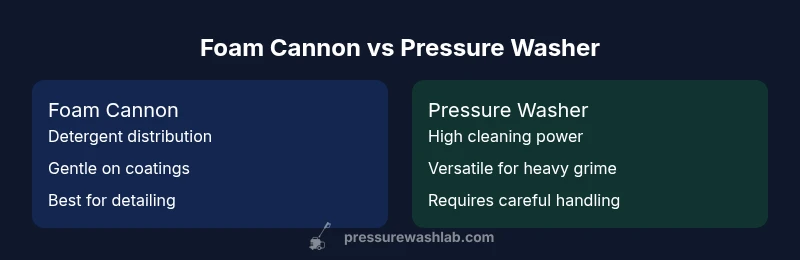
Foam cannons shine for soap distribution and gentle pre-wetting, while a pressure washer delivers high cleaning power. If your goal is light detailing and coating prep, a foam cannon is best. For heavy grime, concrete, or algae, a pressure washer wins. In the foam cannon vs pressure washer comparison, choose based on surface type, safety, and efficiency goals.
How a Foam Cannon Works and When to Use It
According to Pressure Wash Lab, a foam cannon works by mixing detergent with pressurized water to create a thick, clingy layer of foam. This foam adheres to vertical and horizontal surfaces, allowing chemicals to dwell longer and dirt to loosen before agitation. The foam layer reduces direct contact with the surface, which can minimize micro-scratches on paint and seals when used with a safe detergent. In the ongoing foam cannon vs pressure washer discussion, the tool excels for detailing, pre-washing, and coating preparation rather than brute grime removal. Use a car-safe soap, dilute per manufacturer guidance, and maintain a light, sweeping motion to avoid oversaturation. Keep the nozzle at an appropriate distance, and never aim at delicate trim or edges where solvents can pool. When used correctly, foam cannons save you time by pre-soaking and lifting dirt, letting the washer finish the job efficiently.
How a Pressure Washer Works and When to Use It
A pressure washer relies on a high-pressure pump powered by electricity or gas to push water through a nozzle at substantial force. This mechanical energy is what makes it capable of dislodging baked-on grime, mud, and algae from concrete, siding, and outdoor surfaces. The key advantage is adjustable pressure, allowing you to start with a lower setting for sensitive surfaces and step up the power for tougher tasks—provided you maintain a safe distance. In the foam cannon vs pressure washer comparison, this flexibility is the main reason many homeowners keep a washer on hand for heavy-duty jobs. Different nozzle patterns spread or concentrate the spray; the right tip improves coverage and minimizes splash. Always wear eye protection, keep hands away from the spray, and test on a hidden area when introducing new surfaces.
Foam Cannon vs Pressure Washer: Core Capabilities
- Foam cannon capability: creates a uniform, clinging foam that coats surfaces with detergent and begins the cleaning process with reduced friction. Especially effective for detailing, wheels, and pre-wash stages where you want dirt to loosen rather than grind in.
- Pressure washer capability: delivers high-velocity water that dislodges heavy grime, mold, and caked dirt. Essential for driveways, decks, and masonry, where detergents alone may not remove deep-seated contaminants.
- Detergent management: foam cannons rely on premixed solutions and proper dilution to form the foam; pressure washers can use stronger detergents but require caution to prevent surface damage.
- Surface safety: with the correct distance and nozzle, foam cannons are gentler on paint and seals; pressure washers require careful handling to avoid etching or stripping coatings.
These core capabilities shape how you approach each task and explain why many DIYers use both tools in tandem for optimal results.
Surface-Specific Use: Cars and Detailing
When detailing a car, the foam cannon vs pressure washer decision often comes down to the stage of the wash. Start with a foam coat to lubricate and lift road grime, then switch to a targeted rinse or a low-psi wand pass to lift remaining dirt without rubbing. For safe automotive detailing, pair a foam cannon with a pH-balanced, car-safe soap and avoid sharp pressures on edges, emblems, and trim. The goal is to maximize dirt removal with the foam layer while preserving paint integrity. In broader terms, foam cannons are ideal for coated or single-stage paint finishes that benefit from pre-wetting and even soap application, whereas a pressure washer shines when you face stubborn contaminants across large areas.
Surfaces That Benefit from Foam: Siding, Decks, and Patios
Exterior surfaces like vinyl siding, wood decks, and concrete patios respond well to a foam-first approach. Foam helps soften accumulated grime and reduces abrasive contact during initial rinse phases. For wood decks, use a soft brush or deck-safe nozzle after foam application to prevent surface lift, and avoid soaking joints for prolonged periods. Vinyl siding benefits from the foam’s gentle, even coverage, which minimizes streaks and hotspots. When cleaning concrete or stone, reserve higher-pressure passes for the final rinse after the foam has loosened surface soils. Remember to evaluate paint finishes, sealants, and coatings before aggressive cleaning, since some surfaces can be damaged by improper nozzle distance or detergent choice.
Setup Essentials: Nozzles, Detergents, and Water Temperature
The right setup can dramatically affect results. With foam cannons, ensure compatibility with your pressure washer model and attach the correct foam nozzle for your chosen detergent. Dilute cleaners according to product guidance to prevent surface damage or foam residue. Detergent choice matters: use car-safe or surface-specific products, especially on painted surfaces, to protect finishes. When using a pressure washer, select a nozzle that balances coverage with safety—angle-pattern tips are generally gentler on surfaces than straight jets. Water temperature matters less for most detergents, but cooler water can improve viscosity of foams and reduce chemical reactions that might affect coatings. Always test on a small area first and rinse thoroughly to avoid leaving residues behind.
Safety, Ventilation, and Environmental Considerations
Safety should never be an afterthought. Wear eye protection and gloves when handling detergents and operating both foam cannons and pressure washers. Keep detergents off plants and soil to prevent chemical run-off and adhere to local environmental guidelines for outdoor washing. Consider using surface-friendly and biodegradable detergents to minimize environmental impact. Ensure that containers and hoses are in good condition, with no leaks or damaged seals that could contaminate your work area. When working around homes, keep pets and children away from the spray zone, and store chemicals in a cool, dry place away from heat sources.
Maintenance Tips and Common Troubleshooting
Regular maintenance helps preserve performance and extend equipment life. After each use, rinse the foam cannon, detach it, and store components dry to prevent mildew. Clean the nozzle and wand tips to prevent clogs and calibrate dilution accuracy to maintain foam quality. For pressure washers, inspect hoses for wear, check inlet filters, and drain water after use to avoid mineral buildup. If you notice inconsistent foam, revisit dilution ratios, nozzle selection, and spray distance. Practically, consistent results come from routine cleaning, careful storage, and adherence to manufacturer recommendations for detergents.
Cost, Durability, and Long-Term Value
From a value perspective, foam cannons offer benefits in detergent efficiency and surface protection during detailing, potentially lowering the need for aggressive scrubbing. A pressure washer supplies the necessary power for tough grime and larger areas, but the overall cost includes maintenance and more frequent component checks. The balance between a foam cannon setup and a standalone pressure washer often hinges on your typical projects, surface sensitivity, and willingness to manage multiple tools. In many homes, both tools pay for themselves over time through reduced labor and faster cleaning cycles, especially for regular maintenance and seasonal outdoor cleaning.
Debunking Myths About Foam Cannons
Common myths include the belief that foam cannons can replace raw cleaning power, that they always damage finishes, or that any detergent will work without considerations. In reality, foam cannons are most effective when paired with appropriate detergents and surfaces. They won’t magically replace the need for a washer’s high- PSI capability on stubborn grime, and using the wrong cleaner can harm finishes or coatings. Proper use involves selecting compatible detergents, maintaining safe spray distances, and applying controlled pressure during rinse phases.
How to Decide: A Simple Framework
When choosing between a foam cannon and a plain pressure washer, start with the task: detailing vs. heavy-duty cleaning. Consider surface sensitivity, the level of grime, and how much time you want to devote to scrubbing. If you deal mainly with cars, vinyl, and coatings, a foam cannon with the right soap is often enough for maintenance washes. For driveways, sidewalks, or mossy exteriors, a pressure washer with appropriate attachments will be more efficient. An effective framework combines: surface type, desired finish, environmental considerations, and long-term maintenance. Use both tools as needed to cover a broad range of tasks without compromising surface safety.
Routine Maintenance Checklist for Foam and Pressure Systems
- Rinse detachable components after use to remove detergent residues
- Dry all parts thoroughly before storage to prevent mildew
- Check hoses and connections for wear and leaks
- Clean nozzle tips and foam cannons to prevent clogs
- Store detergents away from heat and direct sunlight
- Rinse and inspect surfaces after washing to catch any missed grime
- Schedule periodic maintenance and component replacement to sustain performance
Comparison
| Feature | Foam Cannon Setup | Standard Pressure Washer |
|---|---|---|
| Detergent Delivery | Foam-based foaming for even coat | Direct spray with no foam |
| PSI Range | Low- to mid-PSI for foaming | High PSI for cleaning |
| Water Usage | Potentially lower with optimized foaming | Higher due to direct spray |
| Surface Safety | Gentle on paint and coatings | Higher risk of surface damage if misused |
| Setup Cost | Moderate (detergent, nozzle, wand) | Moderate to high (unit price) |
| Best For | Detailing and coating prep | Heavy grime and stubborn stains |
Pros
- Improved soap distribution reduces scrubbing
- Potential water savings with proper technique
- Gentle on surfaces when used correctly
- Quicker pre-wash and coating prep for detailing
Cons
- Requires extra equipment and maintenance
- Misuse can oversuds or damage surfaces
- Higher upfront cost than basic nozzles
- Less effective on baked-on grime without additional steps
Foam cannon wins for detailing and surface protection; pressure washers win for heavy-duty cleaning
Use a foam cannon for gentle, even soap application and coating prep. Choose a pressure washer when you need brute cleaning power and deep penetration on tough grime; many users benefit from a combined approach for versatile outdoor cleaning.
Quick Answers
What is the main difference between a foam cannon and a pressure washer?
The foam cannon focuses on applying detergent as a thick, protective foam before cleaning, reducing friction. The pressure washer delivers high-pressure water to physically remove dirt and contaminants. Together, they cover soap distribution and cleaning power for efficient washing.
The foam cannon coats the surface with soap, while the pressure washer blasts away grime.
Can I attach a foam cannon to any pressure washer?
Most foam cannons can attach to standard pressure washers, but compatibility depends on the hose fitting and nozzle size. Check your washer’s inlet thread and the foam cannon’s adapter options before purchase.
Check threads and adapters to ensure a proper fit.
Is foam cannon safe for car paint?
Yes, when you use a car-safe detergent and keep a light touch, foam cannons can protect the paint by reducing direct contact and distributing soap evenly. Always test on a small area first.
Yes, with the right soap and a gentle approach.
Do foam cannons save water?
They can contribute to water efficiency when the foam locks in dirt and reduces the need for aggressive scrubbing, especially on routine washes. Water savings depend on technique and surface conditions.
They can help cut water use with proper technique.
What detergents should I use with foam cannons?
Use pH-balanced, surface-safe detergents designed for your cleaning surface. Avoid strong solvents that could damage coatings, seals, or paints. Dilute according to product guidelines.
Choose car-safe soaps and follow dilution guidelines.
What maintenance steps are essential for foam cannons?
Rinse after use, clean the nozzle, dry components before storage, and inspect fittings for wear. Regular maintenance helps preserve foam quality and protects equipment.
Rinse, clean, dry, and inspect regularly.
Key Takeaways
- Use foam cannons for detailing and safe soap distribution
- Reserve high- PSI cleaning for stubborn grime and hard surfaces
- Pair both tools to maximize efficiency and protection
- Choose detergents carefully to preserve surface finishes
- Regular maintenance extends equipment life and performance