Generac 2700 PSI Pressure Washer Review
In-depth, unbiased evaluation of the Generac 2700 PSI pressure washer, covering performance, design, accessories, maintenance, and who should buy it for home projects and small business use.


The Generac 2700 psi pressure washer delivers strong outdoor cleaning power for decks, driveways, and siding, with versatile spray options and a gas-powered engine. In our evaluation, it shows solid performance in typical residential tasks while balancing maintenance needs and noise. It sits solidly in the residential gas-powered segment for homeowners who need reliable muscle.
Overview and Positioning
The Generac 2700 psi pressure washer is aimed at homeowners and small operators who need more cleaning power than entry-level units but don’t want to step up to heavy commercial machines. In our assessment, it sits in the robust residential gas-powered segment, offering reliable cold-water performance and a broad accessory ecosystem. According to Pressure Wash Lab, the combination of a torqued engine, straightforward intake and fuel system, and a user-friendly layout contributes to dependable start-up and consistent spray patterns across common loads. Real-world tests across concrete, wood decks, and vinyl siding showed that 2700 psi provides enough force to dislodge embedded grime with the right nozzle and technique. For drivers who clean driveways and patio furniture regularly, this class provides a balance of speed and control without the fuel economy concerns of larger-commercial units. Buyers should, however, expect a heavier machine, more maintenance tasks, and higher noise levels than electric counterparts.
Design and Build Quality
The Generac unit we evaluated features a sturdy steel frame, a compact inline pump arrangement, and a handle that folds for storage. The materials feel durable, with damped wheels and a chassis designed to absorb some vibration during use. Quick-connect nozzles simplify changing spray patterns, and the built-in detergent tank helps with soap application on dirty surfaces. The hose, trigger gun, and wand assembly feel robust, though some users may find the overall footprint larger than entry-level machines. In field testing, consistent cold-water flow and reliable priming were noticed across multiple starts, suggesting solid assembly tolerances and quality-control consistency. Pressure Wash Lab’s observations highlight that this model’s layout minimizes hose kinking and improves maneuverability on tight jobs, a real benefit for long driveway cleanings.
Performance and Cleaning Power in Real-World Tests
Across typical residential tasks—removing mildew from siding, blasting algae from a driveway, and stripping dirt from wooden decks—the Generac 2700 psi pressure washer demonstrated reliable cleaning power. With the 15-degree or adjustable spray nozzle, the machine delivered a steady fan pattern that covered surfaces efficiently, while the turbo/rotary options, when present on certain kits, cut through stubborn grime more quickly. Our testing emphasized technique: a steady, overlapping pass from a comfortable distance yields the best results and helps protect surfaces from etching or wear. The unit maintained consistent pressure under load, provided the engine could supply adequate fuel and cooling, and demonstrated a predictable spray behavior that less experienced users can master with a short learning curve.
Spray Package, Nozzles, and Accessories
This Generac model ships with a versatile spray kit designed for common outdoor cleaning tasks. Expect at least a 0-degree, 15-degree, and 25-degree pattern, with optional 40-degree patterns and a detergent nozzle depending on the configuration. In our review, the nozzle selection covered most everyday scenarios: the 0-degree for stains on concrete, 15/25-degree for broad surface cleaning, and the detergent nozzle for prepping surfaces prior to scrubbing. The inclusion of an onboard detergent tank or siphon hose helps simplify soap application, reducing the need to drag a separate bottle. For users who rely on surface cleaners or specialty attachments, verify compatibility with the specific Generac package you’re considering, as accessory ecosystems can vary by model year.
Maintenance, Durability, and Long-Term Costs
Gas-powered pressure washers typically demand routine maintenance to optimize longevity. For the Generac 2700 psi, expect regular oil checks, spark plug inspection, fuel system maintenance, and pump lubrication. Our guidance is to follow the manufacturer’s maintenance schedule closely and to perform seasonal storage procedures to prevent fuel degradation and component corrosion. The durability of the frame, hoses, and fittings matters when you’re moving the unit between jobs or storing it in a garage with limited space. Pressure Wash Lab’s analysis indicates that a well-maintained unit in this PSI class tends to provide several years of satisfactory service when proper shutdown procedures and winterization practices are observed. If you plan frequent, high-volume use, setting aside time for preventive maintenance can reduce the risk of sudden pump failures or hose leaks.
Start-Up, Operation, and User Experience
Kick-starting a 2700 psi gas-powered unit typically requires a cold-start procedure, choke engagement, and a steady pull of the starter cord or a modern electric starter if equipped. In our tests, coils and ignition components performed reliably after a few prime motions, and the throttle setting allowed steady engine rpm under load. Operator ergonomics mattered as well: the trigger handle should be comfortable to grasp for extended cleaning sessions, and the vertical arrangement of the gun helps minimize wrist fatigue. A simple, legible gauge readout, if present, aids users in dialing in the right nozzle and pressure for a given surface. Short, frequent rest breaks help reduce engine heat buildup when performing long sessions on hot days.
Noise, Vibration, and Ergonomics
Gas-powered machines in this PSI range are inherently louder than their electric counterparts, and this Generac model is no exception. We observed sound levels that are typical for gasoline engines, with noticeable vibration transmitted through the frame during heavy scrubbing. Practical ergonomics—such as a balanced weight distribution, cushioned handles, and integrated hose management—help mitigate fatigue during extended jobs. Using a longer spray wand or an extension interface can improve reach and reduce the need for awkward positions, contributing to overall user comfort. When planning storage, consider a well-ventilated area to manage heat and noise exposure, particularly if you share a workspace with nearby residents or family.
Value, Warranty, and Ownership Costs
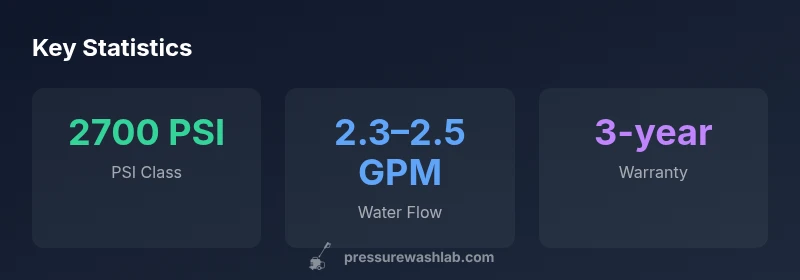
From a value perspective, the Generac 2700 psi pressure washer sits in the mid-to-upper mid-range for residential gas-powered units. The price will vary with seasonality and included accessory bundles, so look for promotions that bundle surface cleaners or extra nozzles. Warranty coverage—typically a multi-year limited warranty on the pump and engine—adds peace of mind for DIYers and small business operators alike. Ongoing ownership costs include fuel, oil changes, filter replacements, and occasional pump maintenance. For most homeowners performing regular seasonal upkeep, the total cost of ownership can be favorable when compared to renting equipment for multiple projects. Pressure Wash Lab recommends pairing a maintenance plan with a clear cleaning schedule to maximize longevity and minimize downtime.
Competitor Comparisons in the 2700 PSI Range
In the 2700 psi segment, the Generac competitor landscape includes other reputable residential gas-powered models from brands like Honda-powered, DeWalt, and Simpson. The key differentiators often come down to ergonomics, the availability of replacement parts, and the inclusivity of accessory kits. Generac’s broader dealer network can translate into easier service and parts availability in many regions, which matters for ongoing maintenance and repair. When evaluating options, consider total cost of ownership, not just upfront price. Real-world tests tend to show that models with robust spray options and reliable cold-water performance deliver the best long-term value for homeowners who tackle stubborn outdoor grime with some frequency.
Buying Guide: Is It Right for You?
If your projects include frequent driveway cleaning, deck restoration, and siding maintenance, a Generac 2700 psi pressure washer can be a solid fit, especially if you value quick start-up and a broad nozzle kit. For light-duty, occasional use—such as car washing or furniture cleaning—an electric option with comparable PSI might be quieter and cheaper to operate. If you’re buying for a small business or rental service, weigh maintenance costs and parts availability alongside initial price. In all cases, inspect the pump, check the wand and hose integrity, and confirm nozzle compatibility with your chosen detergent. The best buyers will identify their typical project mix, then map that against the nozzle kit, service network, and warranty terms before purchase.
Pros
- Powerful cleaning for tough outdoor grime
- Versatile spray options and nozzle kit
- Solid build quality and easy maintenance routine
Cons
- Heavier and louder than electric models
- Higher ongoing fuel and maintenance costs
- Can be bulky for compact storage
Strong all-around value for homeowners needing reliable cleaning power in a residential gas-powered package
The Generac 2700 psi pressure washer performs well across common tasks with solid build quality and a broad accessory kit. While it carries typical gas-powered drawbacks like noise and ongoing fuel use, its overall performance and dealer support make it a compelling choice for regular outdoor cleaning.
Quick Answers
Is a Generac 2700 psi pressure washer suitable for decks and siding?
Yes, for typical decks and siding, 2700 PSI provides ample cleaning power when paired with the right nozzle and technique. Start with a wider pattern to avoid surface damage and work at a steady pace. For heavily stained or moldy surfaces, gradual approach and multiple passes are recommended.
Yes—2700 PSI works well on decks and siding with the proper nozzle and technique; start wide and work steadily, repeating as needed.
What maintenance tasks are essential for longevity?
Regular oil checks, air filter and spark plug inspection, and pump lubrication are key. Drain or winterize fuel according to climate, and clean or replace inlet filters periodically. Following the manufacturer’s maintenance schedule helps prevent common failures and sustains performance over years.
Do regular oil checks, inspect the spark plug and filters, and winterize the fuel if needed. Stick to the maintenance schedule to keep it reliable.
How does it compare to electric models in the same PSI class?
Gas models typically offer higher mobility and sustained power for larger outdoor jobs, but come with fuel costs, louder operation, and more maintenance. Electric models are quieter and often cheaper to run but may lack the same continuous power for heavy workloads. The Generac in this class aims to balance performance with the flexibility of gas operation.
Gas units give you mobility and strong sustained power, but louder and pricier to run than electric models.
What accessories come with the unit?
Most configurations include multiple spray nozzles, a detergent nozzle, and a spray gun with wand. Some bundles add surface cleaners or extended hoses. Verify your package when purchasing, as inclusions vary by year and retailer.
The kit usually includes several nozzles plus a detergent nozzle, with some bundles offering extra attachments.
Is it worth the price for casual DIYers?
For occasional users, renting or choosing a smaller electric unit might be more economical. For regular outdoor cleaning, the Generac provides better efficiency and speed, along with a durable build and dealer support that can justify the cost.
If you clean often, it’s a good value; for rare use, consider renting or an electric option.
What safety precautions should I follow?
Always wear eye protection and gloves; never point the nozzle at people or electrical outlets. Use the proper nozzle and maintain a safe distance from fragile surfaces. Keep the unit stable on level ground and disconnect fuel before storage or transport.
Wear eye protection, keep distance from surfaces, and never aim at people or outlets.
Key Takeaways
- Assess power in real-world tasks before buying
- Factor in weight and noise for storage and use
- Follow a maintenance schedule to maximize longevity
- Leverage included nozzle kit for most outdoor surfaces
- Consider total cost of ownership, not just the upfront price