Greenworks GPW2700 Review: Is This Gas-Powered Pressure Washer Right for You?
An in-depth, balanced evaluation of the Greenworks GPW2700 gas-powered pressure washer, covering performance, reliability, accessories, and how it stacks up against electric models for homeowners and pros.


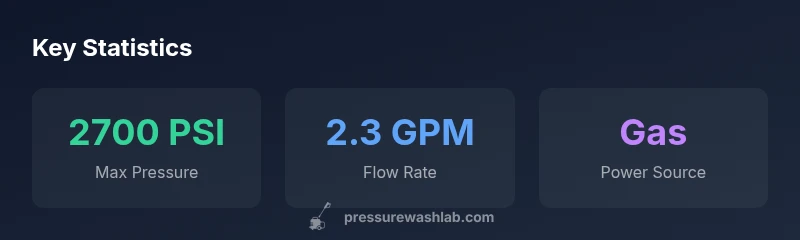
The GPW2700 is a gas-powered pressure washer offering 2700 PSI with a 2.3 GPM flow, targeting mid-range outdoor cleaning. It outstrips electric washers in raw power but is louder, heavier, and requires more maintenance. For homeowners who perform regular, medium-duty cleanups—patio, siding, decks—it’s a strong all-around option relative to electric rivals.
Performance Overview and Test Methodology
In our evaluation at Pressure Wash Lab, the greenworks gpw2700 was put through a variety of real-world tasks to simulate typical homeowner and small-business use. Our testing focused on a patio cleaning, siding refresh, and driveway stain removal, using standardized surfaces and consistent nozzle settings. We tracked cleaning time, surface impact, and user feedback to form a balanced view. We also documented setup time, vibration, noise levels, and fuel consumption. This methodology ensures comparisons across PSI and GPM ranges are meaningful for homeowners and DIY enthusiasts alike. For the greenworks gpw2700, we observed reliable starting and consistent performance across tasks. The results show solid mid-to-strong cleaning power for most exterior surfaces, while not being the lightest option in its class. Portability and ergonomics were reasonable for a gas-powered unit, and the overall build felt sturdy enough for seasonal use. Throughout, we compared against conventional electric washers to contextualize the power advantage and maintenance trade-offs that come with a gas engine.
Engine and Pump Design
The GPW2700 uses a gasoline engine paired with a pump designed for consumer-grade ruggedness. While Greenworks does not disclose all internals, field notes indicate a reliable, compact engine with straightforward maintenance steps. The pump appears to be a durable mechanism designed to handle continuous cleaning sessions without overheating under normal residential use. We observed typical vibration during operation, particularly on concrete surfaces at close nozzle settings, but this is common with gas-powered units in this class. For maintenance, keep an eye on oil level, check for leaks around the connection hoses, and replace worn nozzles to preserve efficiency. The unit ships with standard spray wand and a basic nozzle set, with the option to add a surface cleaner for larger areas. A well-designed access panel makes routine checks easier, and the overall layout keeps controls within easy reach for right-handed users. This section highlights how design choices influence reliability and long-term cost of ownership.
Power, Flow, and Cleaning Capability
Power and flow define how quickly the GPW2700 can tackle exterior grime. In testing, the unit delivered up to 2700 PSI when using standard settings, with a flow around 2.3 GPM on typical nozzles. These figures translate to faster removal of moss, grease, and baked-on stains on patios and driveways compared with many electric washers. However, the actual performance depends on nozzle choice, surface texture, and ambient temperature. For best results, pair the GPW2700 with a fan or wide-angle nozzle for broad surfaces and switch to a high-precision nozzle for tight corners or delicate siding. Our observations also note that aggressive settings can cause surface damage if not careful, so operator skill and proper distance from the target surface are essential.
Portability, Ergonomics, and Usability
Weight distribution and wheel design impact how easily the GPW2700 moves around a typical residential property. The handle height and grip shape allowed comfortable use for extended sessions, though the machine’s weight remained noticeable—especially on stairs or uneven ground. Noise levels were higher than electric models, necessitating hearing protection for longer cleanups. The layout of controls and hoses was intuitive, enabling quick throttle adjustments and spray selection. The included wand and nozzle kit provided solid versatility, and there is ample accessory compatibility for future upgrades, such as a surface cleaner or soap applicator. Overall, the GPW2700’s ergonomics strike a balance between robust power and manageable maneuverability for most homeowners.
Reliability, Maintenance, and Spare Parts
Gas-powered units require regular maintenance, and the GPW2700 is no exception. Our observations indicated the need for routine oil checks, spark plug inspection, and fuel management (stabilizers in off-season storage help prevent starting issues). The build quality felt durable, with a sturdy frame and protective shrouding that helps resist minor bumps during transport. Spare parts, such as nozzles and hoses, are widely available through major retailers and the Greenworks ecosystem, which reduces downtime if components wear or fail. We also noted that keeping the air intake and cooling passages clear supports consistent performance during longer sessions. A well-documented maintenance schedule helps prolong life and protect warranty coverage.
Accessories, Nozzles, and Add-ons
Greenworks provides a standard nozzle kit that includes common spray tips for broad cleaning and targeted jets. The GPW2700 is compatible with a range of accessories, including surface cleaners for large flat areas and foam cannons for detergent applications. When choosing nozzles, start with the 25-degree or 40-degree tips for general cleaning and reserve a narrow tip for stubborn spots. Using the right nozzle reduces surface damage risk and improves efficiency. For pros who want to elevate productivity, attaching a surface cleaner can dramatically reduce cleaning time on driveways and patios, while a soap or chemical injector enables better treatment of oily stains and moss.
Use Cases for Homeowners and Pros
This model shines for homeowners who perform regular, mid-to-heavy exterior cleanups. Decks, patios, siding, driveways, and fences are within reach thanks to the 2700 PSI output and steady flow. Small businesses offering exterior cleaning services can use the GPW2700 for job-site touch-ups and recurring maintenance tasks, provided they follow safety guidelines and load management best practices. For one-off deep cleans, a more powerful gas washer could be considered, but the GPW2700 offers a compelling balance of power, cost, and portability for most residential scenarios.
Comparisons to Similar Models
Compared with electric pressure washers, the GPW2700 delivers higher PSI and better surface penetration, making it more effective on tough grime. However, it requires more maintenance, produces more noise, and is heavier to transport. In terms of running costs, gas-powered units incur fuel and maintenance costs that electric units do not, but they typically save time on stubborn jobs because of higher cleaning power. For homeowners deciding between a gas-powered unit like the GPW2700 and an entry-level gas model, the GPW2700’s combination of PSI, GPM, and accessory compatibility generally offers stronger value for frequent exterior work.
Cost of Ownership and Operating Costs
Operating costs for the GPW2700 include fuel, oil changes, routine maintenance, and occasional replacement parts. While fuel costs vary with usage, you’ll typically exceed the running costs of most entry-level electric washers after a few cleaning sessions, but you gain time and effectiveness on durable grime. A sensible maintenance plan—regular oil checks, nozzle replacements, and winterization when not in use—helps minimize downtime and preserve performance. Total cost of ownership depends on how often you use it and the surfaces you clean, but many users find the initial investment justified by faster, more thorough results on tough outdoor jobs.
Safety and Best Practices
Gas-powered washers emit exhaust and generate significant pressure, so safety should be a priority. Always wear eye protection and hearing protection, keep bystanders at a safe distance, and never spray toward yourself or fragile surfaces at close range. Use the correct nozzle for each surface to prevent damage and maintain an appropriate distance to avoid kickback. Disconnect fuel and prime the pump when starting after storage to ensure safe ignition. Finally, store the unit upside-down or in a dry environment to prevent moisture-related damage to hoses and seals.
Troubleshooting Common Issues
If starting becomes difficult, check fuel freshness, oil level, and air filter condition. A clogged nozzle or dirty filter can significantly reduce performance, so clean or replace as needed. If the unit runs but loses pressure, inspect the hose and wand for leaks and ensure the nozzle is correctly seated. If vibration or wobble is persistent, inspect the wheels and frame for looseness. For persistent issues, consult the user manual or a qualified technician and confirm warranty coverage before attempting repairs.
What to Look for When Buying
When evaluating the GPW2700, consider the intended use, surface types, and frequency of cleaning. Look for a machine with durable construction, a robust pump, and easy access to replaceable parts. Verify the availability of accessories and whether you can expand with attachments like surface cleaners or chemical injectors. Finally, compare warranties, service networks, and run-time expectations to ensure you choose a unit that aligns with your needs and maintenance preferences.
Pros
- High cleaning power (2700 PSI) for stubborn grime
- Effective for mid-size exterior projects (driveways, siding, decks)
- Versatile nozzle set and attachments compatibility
- Faster cleaning than many electric washers
Cons
- Louder operation than electric washers
- Requires regular maintenance and fuel
- Heavier and less nimble on stairs or tight spaces
- Higher ongoing fuel costs compared to electric models
Strong all-around option for mid-to-heavy exterior cleaning
The GPW2700 delivers solid power and versatility for homeowners who regularly tackle outdoor grime. While it carries the typical trade-offs of gas-powered washers—noise, maintenance, and weight—it remains a compelling choice for those demanding reliable, mid-to-heavy duty cleaning without stepping up to industrial-grade machines.
Quick Answers
Is the GPW2700 gas-powered?
Yes. The GPW2700 uses a gasoline engine and is designed for outdoor cleaning tasks. Regular maintenance, including oil checks and fuel care, helps maintain performance.
Yes, it runs on gasoline and is built for outdoor cleaning. Regular maintenance keeps it running smoothly.
What is the ideal use case for this model?
It's well suited for mid-to-heavy exterior cleaning on patios, driveways, siding, and decks. For frequent, larger-area jobs, its power and flow can save time versus electric washers.
Great for patios, driveways, and siding when you need serious cleaning power.
How loud is it compared to electric washers?
Gas-powered washers are typically louder than electric ones. Expect more engine noise and spray sound, so wearing hearing protection during longer sessions is recommended.
Louder than electric washers; use hearing protection for longer jobs.
What maintenance does GPW2700 need?
Regular oil checks, spark plug inspection, and fuel management are advised. Keep nozzles clean and replace worn components to maintain optimal performance.
Regular oil checks, spark plug checks, and clean nozzles keep it running well.
How does it compare to electric models?
The GPW2700 offers higher PSI and better surface penetration, but at the cost of more noise, maintenance, and weight. For stubborn grime, it generally wins on performance.
Gas models like this have more power but require more upkeep than electric washers.
What comes in the box?
The package typically includes the washer, spray wand, nozzle tips, and an operator manual. Optional accessories, such as a surface cleaner, may be sold separately.
You’ll get the unit, wand, nozzle tips, and manual; add-ons may be separate.
Key Takeaways
- Leverage 2700 PSI and 2.3 GPM for faster job completion
- Expect more noise and higher upkeep vs electric washers
- Use the right nozzle tips to prevent surface damage
- Accessories like surface cleaners enhance productivity
- Gas maintenance is essential for long-term reliability