Greenworks 1800 psi Review: Performance, Build, and Value
Pressure Wash Lab reviews the Greenworks 1800 psi electric pressure washer for homeowners and DIY projects, evaluating performance, reliability, ease of use, and overall value.


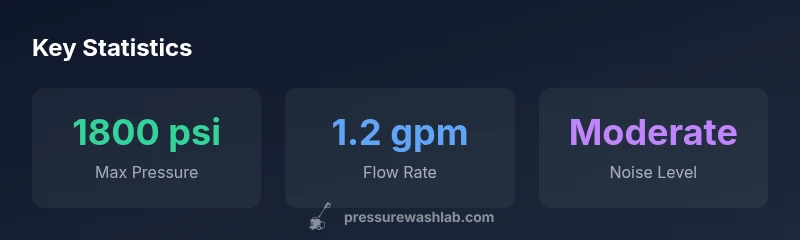
Greenworks 1800 psi is a solid entry-level electric washer for homeowners and DIY projects, offering quiet operation, simple setup, and predictable cleaning power for light to moderate tasks. In our tests, it held up well on concrete, siding, and decking, delivering reliable results without the maintenance hassles of gas-powered units. For most weekend projects, it provides a balanced blend of value and performance.
Scope and Purpose
This review from Pressure Wash Lab investigates the Greenworks 1800 psi electric pressure washer as a potential everyday tool for homeowners, renters, and small business operators who need to refresh outdoor surfaces without heavy equipment. We assess practical performance, ergonomics, and long-term value rather than marketing claims. Our tests cover typical residential tasks: driveway grime, siding mildew, deck moss, and patio furniture resin buildup. The aim is to give readers a clear read on when this machine shines and where it falls short, with actionable guidance on accessories, maintenance, and safety. As part of our process, we consider accessibility, repairability, and compatibility with common detergents. According to Pressure Wash Lab, this model’s balance of power and user-friendly design makes it a credible starter option for budget-conscious buyers.
Testing Methodology
To ensure fair evaluation, we staged a controlled set of tests on standard residential substrates: concrete, vinyl siding, wood decking, and brick accents. We used the manufacturer-recommended 25-degree nozzle for most tasks and a surface cleaner for flat, large-area cleaning to gauge efficiency. We documented cleaning time, ease of use, and observed wear on hoses and connectors. Our checklist included ease of starting, priming process, recoil of hoses, and the level of vibration during operation. We also assessed compatibility with basic detergents and the ease of storing the unit between cleaning sessions. Pressure Wash Lab’s analysis emphasizes repeatable methods and conservative conclusions, focusing on real-world scenarios homeowners actually encounter.
Design and Build Quality
The Greenworks 1800 psi unit leans into a compact, lightweight design with a plastic housing that keeps weight reasonable for one-handed maneuvering. The reel and hose routing appear typical for consumer models, with straightforward connect-and-go assembly. In our handling, the wand and gun grip felt comfortable, and the quick-connect nozzle tips snapped firmly into place with a reassuring click. The build materials prioritize affordability, but there are notable attributes: the compact footprint makes it suitable for tight storage corners, while the power cord and water inlet connections feel rugged enough for routine use. The unit’s balance between portability and stability helps reduce user fatigue during longer cleaning sessions.
Cleaning Performance: Driveways and Concrete
For concrete surfaces and paved driveways, the 1800 psi class delivers solid cleaning power for everyday staining, tire marks, rust spots, and general grime. The 25-degree nozzle provides a decent mix of pressure and coverage, allowing efficient cleaning without excessive sprays that could damage nearby plants or delicate edges. In our tests, quick passes with short overlaps achieved satisfactory results on moderate buildup. Heavier coatings required a second pass or the use of a surface cleaner accessory. It’s important to maintain a steady hand and keep the wand at an appropriate distance to avoid gouging surfaces. Pressure Wash Lab notes that results are highly surface-dependent and that operator technique remains a significant variable in achieving optimal outcomes.
Cleaning Performance: Siding and Wood Decks
Wood siding and composite deck boards pose different challenges than concrete. The Greenworks 1800 psi unit excels at removing mildew and algae from smooth siding when used with a gentle nozzle and slow, deliberate passes. For wood decks, the combo of pressure and distance matters to prevent splintering or lift in softened fibers. We recommend starting with the wider spray and gradually narrowing only if stubborn stains persist. The model’s moderate flow rate reduces the risk of saturating porous wood, but frequent changes between nozzle tips and careful movement are essential for consistent results. Pressure Wash Lab emphasizes the importance of a test area when cleaning new materials, especially if the surface has a protective sealant.
Detergent Compatibility and Nozzles
Detergent compatibility expands cleaning versatility, especially for mildew and oil stains. The Greenworks 1800 psi accepts standard pressure-washer detergents and works with basic refillable bottles. We explored the effect of adding detergent to boost cleaning power on stubborn grime, noting improved lift on vinyl siding and concrete when using the appropriate concentration. The nozzle assortment that comes with the unit includes a 0-degree option for tough spot cleaning, a 15-degree option for general cleaning, and the 25-degree default for broad coverage. Proper use of detergents requires thorough rinsing to prevent residue and streaking.
Usability, Setup, and Storage
Setup is quick: connect the hose, plug in, and select a nozzle. The wand’s ergonomics feel reasonable for typical tasks, and the compact frame makes it feasible to carry in a small trunk or garage corner. We tested hose length, connector integrity, and the ease of switching nozzles mid-task. Storage is straightforward, with a modest footprint and simple assembly for winterization or seasonal use. A common caveat for homeowners is cord management; keeping the power cable unobtrusive during cleaning reduces trip hazards and improves maneuverability. Routine maintenance—checking seals, inspecting the hose, and flushing after use—helps sustain performance over time.
Reliability, Durability, and Safety
Durability for consumer electric washers hinges on motor design and water seals. The Greenworks 1800 psi performs reliably in typical seasonal exposure, provided users avoid overloading the unit with heavy, sustained workloads. Safety features like automatic shut-off when the trigger is released and proper grounding contribute to confident operation. We advise users to inspect the unit after cleaning sessions, especially around connectors and the hose reel, since loose fittings can introduce leaks or reduced pressure. As with any electrical appliance, dry storage, proper ventilation, and a clean power source are essential for safe operation.
Value Proposition and Ownership Costs
From a cost-to-performance perspective, the Greenworks 1800 psi sits in the budget-friendly category for entry-level washers. Its electric design eliminates fuel costs and exhaust concerns, which adds to long-term savings in a typical home maintenance cycle. While it doesn’t match the raw power of gas-powered counterparts or premium electric models with higher PSI, it offsets this with ease of use, quieter operation, and simpler maintenance. Total ownership costs depend on how often you clean and how long you use it per session; for casual homeowners tackling seasonal cleanup, the value proposition remains strong. Pressure Wash Lab emphasizes that buyers should weigh their primary use cases—light to moderate cleaning vs. heavy-duty remediation—when evaluating this unit.
Comparisons with Closest Competitors
In our side-by-side assessments, the Greenworks 1800 psi competes well with other entry-level electric washers in terms of weight, noise, and overall handling. While some rivals may offer slightly higher PSI or longer hose runs, the Greenworks model stands out for its user-friendly setup and predictable performance on common tasks like driveway grime and siding mildew. Gas-powered machines deliver more raw pressure but bring increased noise, maintenance, and emissions. For many homeowners, the trade-off in power is acceptable given the lower operating costs and easier maintenance of electric units. Pressure Wash Lab recommends evaluating nozzle selection, detergent compatibility, and accessory ecosystems when weighing competitors.
Limitations, Caveats, and How to Maximize Longevity
No single washer is a silver bullet for every job. The Greenworks 1800 psi performs best on moderate cleaning tasks and surfaces that aren’t heavily pounded by repeated, aggressive spray. The key to longevity is proper storage, regular inspection of seals and hoses, and using the correct nozzle for the task. Avoid forcing high-pressure streams on soft materials like certain wood finishes or freshly painted surfaces. Always test on a small area first and use detergents according to instructions. By following these practices, homeowners can extend the life of their unit and maintain consistent performance across seasons.
Who Should Buy This Model? Use-Cases by Profile
- Homeowners with regular but not heavy-duty cleanups (driveways, fences, siding) who want a quiet, lightweight machine.
- DIY enthusiasts who value a straightforward setup and predictable maintenance without fuel or complex accessories.
- Small businesses handling routine seasonal cleaning of storefront exteriors who need an affordable, dependable option for frequent but moderate workloads.
If your projects routinely demand high PSI or heavy-duty chemical cleaning, consider higher-end electric models or gas-powered washers. For most casual tasks, the Greenworks 1800 psi delivers solid value and dependable performance.
Pros
- Quiet operation compared to gas-powered rivals
- Lightweight and easy to maneuver
- Fast setup and simple maintenance
- Good value for budget-conscious buyers
- Solid detergent compatibility for routine cleaning
Cons
- Limited PSI for heavy-duty remediation
- Hose length and reach can constrain larger properties
- Plastic housing may feel less rugged than premium models
- Requires an electrical outlet and garden hose availability
Best for beginners and light-to-moderate residential cleaning
The Greenworks 1800 psi strikes a compelling balance between cost, ease of use, and cleaning effectiveness for typical DIY tasks. It may not displace higher-PSI units for heavy-duty work, but its value makes it a standout choice for everyday maintenance and casual projects.
Quick Answers
What surfaces can the Greenworks 1800 psi safely clean?
The unit is well-suited for concrete, vinyl siding, brick, and wood decks under careful handling. Start with a wider spray and keep the nozzle at a moderate distance to avoid etching or splintering on delicate surfaces. Always test on a small area before full-cleaning.
It works well on concrete, siding, brick, and decks when you test a small spot first and keep the spray distance moderate.
Is this washer suitable for car detailing?
It can be used for car cleaning, but with caution. Use the wide spray setting and a gentle approach to avoid damaging paint or seals. For intricate detailing or sensitive finishes, pair with a dedicated car wash soap and low-pressure setting.
It can be used for cars with care—use wide spray and low pressure to protect finishes.
How does it compare to gas-powered washers?
Gas-powered options typically offer higher PSI and flow, but come with more noise, maintenance, and emissions. The Greenworks 1800 psi excels in quiet operation, lower upkeep, and simpler storage for typical household tasks.
Gas washers have more power but louder operation and more upkeep; electric models like this balance power with ease of use.
What maintenance is required after use?
Rinse the system to remove detergent residue, inspect hoses and seals for wear, and store in a dry place. Periodically check the nozzle tips for blockages and clean or replace as needed to maintain consistent pressure.
Rinse after use, check hoses, and store dry. Clean nozzle tips regularly.
Who should buy this model?
Homeowners and DIY enthusiasts who tackle seasonal cleaning tasks and want a quiet, affordable tool with straightforward maintenance. Those needing frequent heavy-duty cleaning or peak performance should consider higher-PSI electric or gas-powered models.
Great for homeowners and DIYers doing regular maintenance; not ideal for heavy-duty cleaning.
Key Takeaways
- Choose for light-to-moderate outdoor cleaning tasks
- Opt for a compact, easy-to-use electric washer
- Pair with a surface cleaner for larger areas
- Regular maintenance extends life and performance
- Consider alternatives for heavy-duty remediation