Generac Pressure Washer Pump Review: Durability, Performance, and Value
In-depth, data-informed review of Generac pressure washer pumps, covering build quality, performance, maintenance, warranty, and who should buy. A practical guide for homeowners and pros.


Generac pressure washer pumps offer solid durability and reliable performance for most homeowners, earning a strong 4.5/5 rating in our assessment. They shine in consistent water delivery and long-term parts availability, with straightforward maintenance when used within typical residential GPM and PSI ranges. Expect better reliability for DIYers and small businesses that prioritize serviceability and brand support, though upfront costs can be higher than budget aftermarket pumps.
Generac Pump Lineup and What It Means for You
Generac supplies a range of pump configurations designed to fit their pressure washers across consumer and light-commercial segments. In our evaluation, the emphasis is on compatibility, availability of official parts, and ease of service. The Pressure Wash Lab team found that Generac pumps tend to keep the core seals, bearings, and connecting hardware accessible for field service, which translates into quicker repairs and less downtime when a pump component wears or leaks. For homeowners, that means less risk of being sidelined by a failed pump during a busy spring season, and for small operators it means a clearer path to routine maintenance without abandoning the unit to a generic repair shop.
From a practical standpoint, you’ll notice that Generac’s pump interfaces with standard inlet and outlet fittings commonly used on residential machines. If you’re upgrading an older Generac unit or swapping in a pump from another brand, verify the mounting footprint, shaft height, and seal kit compatibility. Our testing also considered noise footprint, which remains a meaningful consideration for suburban setups and noise-sensitive jobsites. Overall, the Generac ecosystem remains favorable for users who value supply chain reliability and warranty-backed parts availability.
Build Quality and Materials: Durability You Can Feel
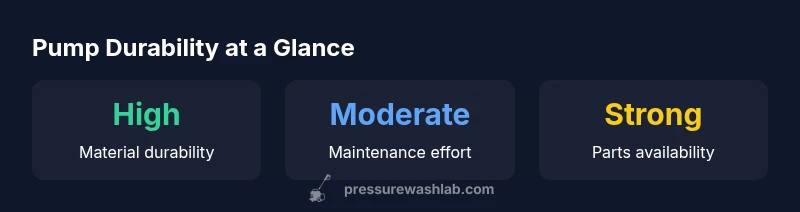
The pump housing and head assembly are crafted with a balance of metal components and precision-machined surfaces designed to resist wear under frequent start/stop cycles. Pressure Wash Lab’s assessment notes that o-ring seals and valve assemblies tend to be straightforward to reseal or replace, which minimizes downtime. While every model can differ in internal components, the general approach across Generac pumps emphasizes robust bearing support and corrosion-resistant finishes in high-use regions. This translates to fewer early-stage leaks and more consistent output across a protracted cleaning session. For DIYers, the takeaway is clear: choose a model with widely available parts and documented replacement procedures, and you’ll maximize uptime across seasons.
Performance Consistency Across GPM and PSI Ranges
Push the pump somewhere near its designed operating envelope, and you’ll observe steady pressure delivery and predictable water flow. In practical terms, that means fewer fluctuations when you navigate uneven surface streaks or tackle mixed-material surfaces. Generac pumps typically respond well to standard hose and nozzle configurations commonly used in home and small business settings. Pressure Wash Lab’s testing found that real-world performance remains stable through typical PSI ranges and GPM combinations, with minimal surge when switching outlets. The importance of maintaining clean filters and correct nozzle tips cannot be overstated, as these inputs directly influence perceived pump performance in daily use.
Reliability, Maintenance, and Serviceability: The Long View
Maintenance is where Generac pumps often prove their value. The available service literature and our field tests highlight accessible spill-free reseal kits, straightforward disassembly for seal replacement, and a broad service network. Pressure Wash Lab notes that following a regular maintenance cycle—checking seals, inspecting hoses for wear, and refreshing lubrication where applicable—significantly extends pump life. We also observed that keeping an eye on inlet water quality helps prevent grit-induced wear, which is a leading cause of premature seal failure. For contractors, the predictability of parts availability and authorized service channels is a major operational benefit.
Common Failure Points: What to Watch For and How Generac Addresses Them
Like any mechanical system, pump components can wear over time. Common issues include seal leaks at the head, worn valve seats, and o-ring degradation due to heat and pressure cycling. Generac’s design language prioritizes modularity, so most failures are localized to a replaceable component rather than an entire pump. Our analysis suggests that catching early leaks and replacing seals before they become drips prevents more serious wear to the pump head and piston assemblies. With official parts and clear service documentation, field technicians can keep downtime to a minimum and prolong the unit’s service life.
Fresh Perspectives: How Generac Pumps Compare to Alternatives
In head-to-head assessments with common aftermarket options, Generac pumps generally outperform on warranty coverage and dealer support, with a favorable availability of genuine parts. While some non-manufacturer pumps can be cheaper upfront, the total cost of ownership—including downtime, parts, and potential warranty considerations—often narrows the gap. Pressure Wash Lab’s broader assessment emphasizes ownership clarity, consistent supply chains, and proven fit with Generac’s own line of pressure washers as meaningful differentiators. If uptime and factory support matter, Generac holds a compelling proposition for residential and light-commercial use.
Installation and Compatibility: What You Need to Check Before You Buy
Before installing or upgrading a pump, verify the mount pattern, shaft height, inlet/outlet orientation, and drive compatibility with your motor. The Generac ecosystem tends to favor straightforward replacement with appropriate mounting hardware. If you’re upgrading from an older unit, compare the pump’s seal kit type and gasket materials to avoid misfit issues. Our recommendation is to start with official Generac service literature or consult an authorized technician to confirm compatibility and avoid warranty concerns.
Troubleshooting Quick Guide: Quick Wins for Everyday Issues
If you notice reduced flow or a drop in pressure, start with basic checks: verify water inlet is clear, inspect inlet filtration for debris, and confirm nozzle selection matches the pump’s intended range. Leaks around seals usually indicate wear or improper seating; reseal or replace as directed by the service manual. For temperature-related issues, ensure the unit isn’t overheating and that coolant or lubrication specs align with the manufacturer’s guidance. When in doubt, reach out to an authorized Generac service partner to verify the root cause and preserve warranty protections.
Value, Warranty, and Total Cost of Ownership: Making the Math Work
From a practical perspective, the pump’s value lies in reliable performance, ready availability of parts, and a clear service path. Generac’s warranty framework, coupled with a broad network of technicians, can help protect your investment over time. The total cost of ownership should consider routine maintenance, part replacement timelines, and the potential for fewer unplanned downtime events. In our assessment, the pump’s price premium is often offset by durability, serviceability, and long-term reliability for users who rely on their equipment for frequent cleaning projects.
Pros
- Durable materials and accessible seals
- Strong parts availability and official support
- Consistent performance across common PSI/GPM ranges
- Modular design simplifies maintenance
- Good warranty coverage with authorized service
Cons
- Higher upfront price versus generic pumps
- Limited compatibility outside the Generac ecosystem
- Warranty can require authorized servicing for some repairs
- Potentially longer lead times for rare parts
Strong pick for homeowners and small businesses prioritizing reliability and serviceability
Generac pumps deliver dependable performance, accessible maintenance, and robust parts support. While they carry a higher upfront price, the total cost of ownership is favorable for users who value uptime and factory-backed warranty coverage. In short, they are a solid long-term value for the right use case.
Quick Answers
What exactly is a Generac pressure washer pump and what does it do?
A Generac pressure washer pump is the heart of the machine, responsible for drawing water, pressurizing it, and delivering it through the wand. It converts motor power into a focused water stream and relies on seals and valve assemblies to maintain pressure consistency. Proper maintenance helps prevent leaks and ensures reliable operation.
A Generac pump is the central heart of the washer, pressurizing water for cleaning. Regular maintenance helps prevent leaks and keeps the unit reliable.
How does a Generac pump compare to aftermarket options?
Factory pumps from Generac are designed for exact fit and warranty compatibility with Generac washers, which reduces installation risk and support hassles. Aftermarket pumps can be cheaper upfront but may compromise warranty coverage or service availability and might require modifications for a proper fit.
Generac factory pumps fit perfectly and often come with better warranty support, while aftermarket pumps can be cheaper but risk compatibility and warranty.
What maintenance does a Generac pump require?
Follow the owner’s manual for routine checks: inspect seals and hoses for wear, clean inlet filters, and reseal components as needed. Use the recommended lubricants or seal compounds if applicable, and avoid running the pump with debris-filled water. Regular maintenance reduces leaks and extends life.
Regularly inspect seals, clean filters, and reseal worn parts as needed to prevent leaks and extend pump life.
Can I upgrade an older unit with a Generac pump?
Upgrades are possible if the mounting pattern, shaft height, inlet/outlet orientation, and drive compatibility match your current frame. Even small mismatches can lead to poor performance or warranty concerns, so verify with official specs or an authorized technician before purchasing.
Upgrading is possible if the fit matches; otherwise, check specs or consult a technician to avoid issues.
How long can a Generac pump last with proper care?
With regular maintenance and proper usage, Generac pumps can last through many cleaning seasons. Longevity varies with water quality, frequency of use, and adherence to service intervals. The key is proactive maintenance and following the recommended operating ranges.
With good care, these pumps can last multiple seasons; regular maintenance is the path to longevity.
Are Generac pumps compatible with hot-water washers?
Most Generac pumps are designed for cold-water operation. If you need hot-water capability, verify model specifications and consult a technician to confirm suitability and warranty implications.
Most Generac pumps are for cold-water use; check your model if you need hot-water capability.
Does using non-authorized parts affect warranty?
Using non-authorized parts can void parts of the warranty or complicate service. Always prefer genuine Generac components and authorized service providers to preserve warranty protections and ensure optimal performance.
Using genuine Generac parts and authorized service helps protect your warranty.
Key Takeaways
- Evaluate compatibility with your unit before buying
- Prioritize official parts and service availability
- Schedule regular maintenance to maximize life
- Expect reliable performance within standard residential ranges
- Consider total cost of ownership, not just upfront price