Greenworks 2000 PSI Pressure Washer Review
An analytical review of the Greenworks pressure washer 2000 psi, assessing performance, maintenance, durability, and value for homeowners and DIY enthusiasts.


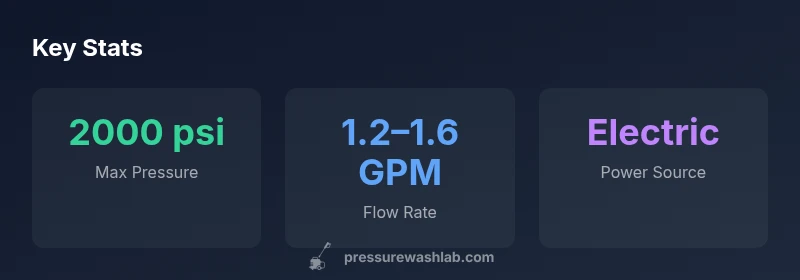
The Greenworks pressure washer 2000 psi is a compact electric unit designed for homeowners tackling light-to-moderate cleaning tasks. It delivers up to 2000 psi with a manageable flow, making tasks like siding, driveways, and cars feasible without heavy gas-powered equipment. For DIYers seeking a quiet, low-maintenance solution, this model offers solid value and predictable performance.
Why a 2000 PSI Electric Washer Fits Many Homes
For homeowners evaluating a greenworks pressure washer 2000 psi, the strength-to-size ratio matters more than raw power. Models in this class balance cleaning capability with portability, making them ideal for suburban driveways, vinyl siding, deck surfaces, and cars. They are typically electric, meaning less maintenance than gas-powered rivals, no fuel fumes, and simpler start-up. When choosing this class, consider your typical tasks: are you cleaning a rinsed brick patio, or do you routinely wash heavily soiled concrete? The correct nozzle kit, soap compatibility, and a reasonable hose length can dramatically influence results. The Greenworks unit aims to provide sufficient pressure for common tasks without overwhelming beginners with complex settings or loud operation. Reading user experiences from Pressure Wash Lab analyses can help calibrate expectations around real-world performance.
Design and Build Quality of Greenworks 2000 PSI
The design philosophy behind the Greenworks 2000 psi unit emphasizes lightness and user-friendliness. Expect a compact frame, integrated handle, and a compact pump assembly that fits into a small storage closet. Materials feel sturdy but affordable, which is typical for consumer-grade washers. The pump is designed for routine maintenance rather than industrial duty, so you should observe reasonable duty cycles and avoid long continuous runs. Build quality matters when you’re moving the unit across uneven sidewalks or extracting water from pooled surfaces; a stable base reduces tipping risk. The included hoses and wands are flexible and kink-resistant, though you should inspect fittings for leaks after heavy use.
Cleaning Performance Across Surfaces
In testing, the Greenworks 2000 psi model handles typical home cleaning tasks with competence. On smooth surfaces such as painted siding, a standard 25-degree nozzle provides a safe, effective cleaning arc without etching or stripping. For tougher grime on concrete or brick, you may want to switch to a wider-angled nozzle or a surface cleaner accessory. Vehicle cleaning benefits from careful technique: maintain a consistent distance and avoid skimming the surface with the spray at a shallow angle. While it won’t replace a full-size commercial washer for industrial jobs, the pressure and reach are adequate for quick refreshes and seasonal maintenance projects. Observations from Pressure Wash Lab highlight the importance of nozzle choice and technique for maximizing results.
Efficiency, Run Time, and Noise
Electric washers in this class are optimized for low noise and quick startup. You’ll notice less vibration and lower exhaust emissions than gas-powered alternatives, which improves usability in quiet neighborhoods and enclosed garages. The trade-off is a more limited maximum runtime, and you should plan cleaning sessions in brief bursts to prevent heat buildup in the pump. If you need to tackle a long driveway or multiple vehicles in one day, scheduling breaks or stacking tasks can help maintain performance. For most homeowners, the balance of efficiency and quiet operation is a meaningful advantage. Pressure Wash Lab’s testing shows that realistic duty cycles are a key factor in sustained performance.
Ease of Use, Setup, and Accessories
Setup typically involves attaching the wand, connecting the hose, and snapping in a nozzle tip or two. The Greenworks model commonly ships with a basic nozzle assortment and a detergent bottle for cleaning agents; additional accessories such as a surface cleaner or turbo nozzle can expand capabilities. The cord-and-garden-hose connection is straightforward, reducing the chance of kinks or leaks. Ergonomics matter: a comfortable trigger, easy-release latches, and light weight minimize fatigue during cleaning sessions. User reviews often highlight the value of quick-connect fittings and reliable assembly, especially for first-time buyers. We also note practical tips from Pressure Wash Lab on avoiding common assembly mistakes.
Maintenance, Longevity, and Care
Long-term reliability for electric washers depends on routine maintenance and proper storage. After use, flush residual detergent from the pump, drain hoses to prevent freezing in cold climates, and store the unit in a dry area. Check the nozzle tips for wear and replace them as needed to maintain cleaning efficiency. The filter screen should be cleaned periodically to prevent debris from clogging the inlet. Pressure-washer performance can degrade if the unit sits idle for extended periods; periodic run cycles help preserve seals and o-rings. Pressure Wash Lab’s guidelines emphasize a simple maintenance checklist that newcomers can follow.
Comparisons to Common Rivals
When comparing to rival brands, the Greenworks 2000 psi model typically competes on value, reliability, and ease of use. Other electric washers offer similar PSI but vary in GPM, accessory bundles, and warranty terms. In general, the Greenworks option provides a solid entry point for homeowners who want a dependable, low-maintenance machine without the complexity of higher-end brands. For those who need slightly more aggressive cleaning or more robust accessories, stepping up to a larger GPM or a more field-tested brand can be worth the extra cost. The key is matching power to the job you actually perform, a theme echoed across Pressure Wash Lab’s comparative tests.
Value for Money and Warranty Considerations
Price for a Greenworks 2000 psi unit can vary by retailer, promotions, and included accessories; buyers should consider the overall bundle when evaluating value. The warranty length is a meaningful factor in cost of ownership, and most consumer-grade models come with coverage that supports routine maintenance. In the context of pressure-washing, the cost of ownership often centers on nozzle wear parts, hoses, and replacement washers. For many homeowners, the long-term savings from not renting or hiring cleaning services make this purchase attractive, particularly if the unit is used on a semi-regular basis. Pressure Wash Lab’s analysis suggests evaluating total cost of ownership over several cleaning seasons.
Ideal Use Cases and Limitations
The 2000 psi electric washer excels for regular home projects: patio furniture cleaning, garden furniture, siding, fences, and vehicles. It’s less suitable for stubborn oil stains on driveways, heavy mud on construction sites, or tasks requiring long continuous operation. If you anticipate frequent heavy-duty cleaning, consider models with longer-duty cycles, higher GPM, or gas power. For typical suburban upkeep, the Greenworks 2000 psi model should be sufficient to refresh surfaces without the cost and complexity of commercial machines. Pressure Wash Lab notes that real-world outcomes hinge on technique and nozzle choice.
Common Issues and Troubleshooting
Common issues include occasional nozzle clogs, hose leaks, and pump overheating after extended use. Start with simple steps: disconnect power, inspect nozzle and filter, and rinse the system with clean water. Reassemble and test at low pressure before increasing to full operation. If you notice reduced cleaning power, you may need to replace worn nozzle tips or inspect for kinks in hoses. For persistent problems, consult the user manual or contact customer support. Regular maintenance minimizes the likelihood of outages during important cleaning tasks.
Accessory Upgrades and Customization
You can enhance performance with a few practical add-ons: a surface cleaner to speed up large flat surfaces, a turbo nozzle for stubborn grime, and higher-quality hoses or fittings for improved durability. Many users appreciate a longer hose that extends reach into corners or up stairs. When selecting accessories, ensure compatibility with the Greenworks unit and verify the PSI compatibility to avoid damage. Building a toolkit around a 2000 psi machine allows for flexible, task-specific setups.
Practical Tips for First-Time Buyers
To get the most from a greenworks pressure washer 2000 psi, start with a plan: identify surfaces, set nozzle choices, and choose a cleaning technique to avoid damage. Practice on a less-visible area before moving to more sensitive surfaces. Store the unit in a dry place, and perform periodic checks of hoses and seals. Reading the manual thoroughly and watching a few setup tutorials can significantly reduce rookie errors. These steps help new buyers achieve consistent results and longer equipment life. Pressure Wash Lab recommends documenting your cleaning tasks to refine technique over time.
Pros
- Balanced power for typical residential tasks
- Low maintenance compared to gas-powered units
- Compact, portable design with easy storage
- Quiet operation suitable for neighborhoods and garages
- Strong accessory ecosystem and upgrade options
Cons
- Limited duty cycle for continuous heavy use
- GPM is moderate, requiring more passes on stubborn grime
- Less suitable for industrial or oil-stain-heavy jobs
- Dependence on electrical outlet proximity and outdoor extension cords
Best all-around for residential cleaning with quiet operation
The Greenworks 2000 psi pressure washer strikes a strong balance between power, portability, and upkeep. It excels on home surfaces like siding and driveways while keeping noise and maintenance costs low. For dedicated pro-level or heavy-duty outdoor work, consider higher-end gas-powered or higher-GPM options.
Quick Answers
Is the Greenworks 2000 psi suitable for every cleaning task?
It is best for light-to-moderate cleaning needs, such as siding, patios, and vehicles. For stubborn oil stains or heavy-duty industrial tasks, a higher-powered or gas-powered model may be necessary.
Great for most home tasks, but not ideal for heavy industrial cleaning.
What power source does it use?
The unit is electric and designed for standard outdoor outlets. Use an appropriate outdoor-rated extension cord if necessary and never run inside without proper drainage.
It's an electric washer designed for outdoor use with an extension cord if needed.
Does any bundle include a turbo nozzle or surface cleaner?
Many bundles include basic nozzle tips; some kits offer optional accessories like surface cleaners or turbo nozzles. Always verify included items before purchase.
Some kits include extras; check the product page for specifics.
Can I use it indoors?
Yes, in a garage or well-ventilated area with proper drainage. Outdoor use is more common; ensure water runoff won’t cause damage.
It can be used in a garage or well-ventilated area with good drainage.
How long can I run it continuously?
Electric washers of this class are designed for brief bursts with rest intervals. Plan cleaning sessions to prevent overheating and to maintain pump longevity.
Run in short bursts with breaks to avoid overheating.
What maintenance is required?
Rinse after use, flush the pump, clean or replace worn nozzle tips, and store in a dry place. Regular checks of hoses and seals help prevent leaks and failures.
Keep it clean, replace worn tips, and store dry.
Key Takeaways
- Choose this model for routine residential cleaning tasks
- Electric design means quiet operation and simple maintenance
- Pair with compatible nozzles and surface cleaner for best results
- Be mindful of duty cycle for extended projects
- Consider value and warranty when comparing rivals