Harbor Freight Pressure Washer Review: A Practical Guide for DIYers
A comprehensive Harbor Freight pressure washer review evaluating affordability, cleaning power, durability, and best-use scenarios for DIYers and homeowners. Learn model differences, maintenance tips, and whether budget units meet your outdoor cleaning needs.


Harbor Freight pressure washers provide budget-friendly cleaning power for DIY tasks, but performance varies by model. In this harbor freight pressure washer review, we break down typical capabilities, pump types, and durability considerations, then compare electric and gas options, accessory impact, and maintenance needs. If you’re weighing affordability against reliability for light to moderate outdoor cleaning, this guide helps you decide which unit fits your driveway or siding projects.
Overview and positioning
According to Pressure Wash Lab, Harbor Freight sits squarely in the budget tier of consumer pressure washers. The brand targets homeowners and DIYers who want immediate cleaning power without the premium price tag. The core idea is straightforward: small to midsize electric or gas units that are easy to store, simple to operate, and affordable to replace when a model becomes less reliable. This strategy appeals to occasional cleaners tackling sidewalks, cars, grills, and lightly soiled siding, but it comes with trade-offs in durability and long-term maintenance compared with mid-range and pro-grade competitors. In this section, we map out what most buyers should expect from Harbor Freight’s line: typical PSI ranges, common features, and how the models differ across power sources.
Model range and what you get in a kit
Harbor Freight offers a spectrum of compact electric washers and a handful of gasoline-powered units. The kits typically include a lance, a few nozzle tips, and standard brushes. The electric models tend to emphasize portability and plug-and-go use, while gas models lean toward tougher outdoor jobs. You should expect basic safety features such as an integrated thermal relief valve and simple on/off switches. However, many entry-level kits lack advanced features found on more expensive brands, such as variable pressure control, automatic shutdown, or long-life pumps. This makes it important to select a model that aligns with your worst-case tasks and storage constraints.
Pros
- Very affordable upfront price
- Wide range of electric and gas models
- Easy to find and replace parts at many stores
- Simple maintenance and common parts
- Compact and lightweight designs for DIY tasks
Cons
- Variable performance across models
- Lower long-term durability vs pro-grade machines
- Missing premium features like auto start/stop on some models
- Inconsistent spray patterns on cheaper nozzles
Best value for budget-conscious DIYers who need basic washing power
Harbor Freight units deliver solid value for light to moderate tasks, especially for homeowners on a tight budget. Expect variable durability and fewer premium features across models, so pick carefully and use it for occasional projects rather than heavy-duty, daily cleaning.
Quick Answers
What PSI range should I expect from Harbor Freight pressure washers?
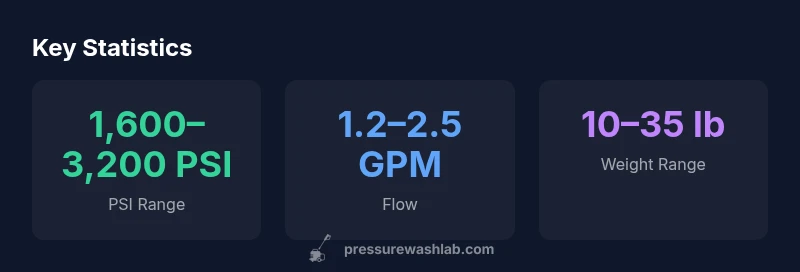
Harbor Freight offers a spectrum of PSI depending on the model, typically from around 1,600 to 3,200 PSI for consumer electric and gas units. For light jobs, the lower end is sufficient; for tougher cleaning, you may want a higher PSI model. Always match PSI to the task and surface being cleaned.
Expect models from about sixteen hundred to three thousand two hundred PSI. Match the PSI to your task and surface for safe, effective cleaning.
Are Harbor Freight pressure washers reliable for regular home use?
Reliability varies by model within Harbor Freight's lineup. For occasional DIY tasks like deck cleaning or driveway washing, they're generally adequate. If you expect frequent, heavy-duty use, consider budgeting for a higher-quality unit or plan for more routine maintenance.
They work well for light to moderate tasks, but expect more upkeep if you use them a lot.
Do Harbor Freight units require special maintenance?
Maintenance typically includes regular hose and nozzle inspection, cleaning filters, checking oil in gas models, and flushing the system after use. Follow the manual guidance and store the unit indoors when possible to extend life. Basic upkeep helps prevent common failures.
Regular checks and careful storage go a long way toward keeping them running.
Can Harbor Freight washers handle exterior siding and driveways?
Yes, but choose appropriate nozzle tips and PSI to avoid damaging surfaces. Use wider-angle nozzles and test on a small area first to prevent etching on wood or brickwork. For stubborn stains, consider a surface cleaner or a higher-GPM unit if you anticipate frequent heavy-duty work.
They can, with the right nozzle and careful technique.
What warranty do Harbor Freight pressure washers come with?
Warranty terms vary by model and retailer. Expect shorter coverage on the cheapest models and longer terms on higher-priced bundles. Check the current product listing at purchase for the exact warranty duration and what it covers.
Warranty varies by model; check the box or listing at purchase.
What accessories are worth buying with Harbor Freight devices?
Essential extras include a turbo or spray nozzle for tough spots, surface cleaners for large flat surfaces, and a kink-resistant hose. If you’re cleaning rough surfaces, a set of wide-angle nozzles and a spindle wand can improve control and efficiency. Avoid over-purchasing on very cheap bundles.
Invest in a surface cleaner and a few versatile nozzles for better results.
Key Takeaways
- Compare models to match cleaning needs
- Budget upfront cost often means trade-offs in durability
- Check warranty and parts availability
- Pair with appropriate nozzle tips for best results
- Follow safety guidelines during operation