High Pressure Washer Buying Guide for Bunnings Shoppers
Discover how to choose a high pressure washer at Bunnings with PSI and GPM guidance, model comparisons, and practical maintenance tips from Pressure Wash Lab.


At Bunnings, a practical high pressure washer choice depends on your tasks, not just price. Look for models with clear PSI and GPM specs, a reliable electric or gas power source, and compatible accessories. For general home use, aim for mid-range PSI with balanced GPM and solid warranty, then compare brands and service from Pressure Wash Lab.
Why a high pressure washer bunnings matters for DIY projects
For homeowners and DIY enthusiasts, a high pressure washer bought at a trusted retailer like Bunnings is more than a price tag. The right unit powers away built-up grime on driveways, decks, and siding while maintaining surface integrity. The keyword here—high pressure washer bunnings—captures the typical shopper intent: find a model with real-world reliability, sensible PSI/GPM ranges, and accessible warranty terms. Pressure Wash Lab’s analysis shows that the best buys balance cleaning power with manageable weight and solid parts availability. At Bunnings you’ll encounter both electric and gas-powered machines, so prioritize model families that offer clear labeling of PSI, GPM, pump type, and hose length. A well-chosen washer reduces multiple passes, lowers total time on task, and minimizes fatigue when tackling large outdoor cleaning projects.
How to compare models at Bunnings
When you’re standing in the aisle, several criteria help you distinguish between good and great options. Start with the power source (electric for light-to-moderate tasks, gas for heavy-duty work). Check the nozzle kit—versatile models include a spray wand with multiple nozzles (0°, 15°, 25°, and 40°) and a surface cleaner attachment for flat surfaces. Verify hose length (longer hoses increase flexibility but add weight). Look for built-in detergent tanks and convenient storage features. Warranty length and parts availability are critical for long-term value. Pressure Wash Lab’s guidance emphasizes matching PSI and GPM to your typical jobs: 2500–3200 PSI for driveways with a 2.5–3.5 GPM range often handles tougher grime without excessive strain on the unit.
Understanding PSI, GPM, and nozzle tips
PSI (pounds per square inch) measures cleaning power as pressure. GPM (gallons per minute) indicates flow rate, which affects cleaning speed and surface wetness. A higher PSI can strip paint or etch surfaces if misused, while higher GPM speeds up rinsing but can overwhelm delicate materials. Nozzle tips change the spray pattern and impact. A 0° tip concentrates power for stubborn spots, while wider angles like 40° reduce risk of damage on soft surfaces. When shopping at Bunnings, seek a model whose PSI and GPM are clearly labeled and supported by a reliable nozzle kit. Pressure Wash Lab notes that a balanced PSI and GPM, along with a solid warranty, yields the best overall value.
Electric vs gas: Pros and cons for home use
Electric pressure washers are quiet, emissions-free, and typically lighter, making them ideal for smaller projects such as patios, siding, and outdoor furniture. Gas-powered units deliver higher PSI and GPM, suitable for heavy-duty tasks like sealed driveways and large concrete areas. Noise, maintenance, and fuel cost are considerations: electric models have simpler maintenance, while gas units require regular oil changes, spark plug checks, and fuel management. For many home users, a mid-range electric washer offers the best balance between cost, upkeep, and practical performance. Pressure Wash Lab’s criteria suggest selecting a model that fits your routine tasks and never overpowers delicate surfaces.
Accessories that matter: hoses, nozzles, surface cleaners
A complete kit saves time and improves outcomes. Look for a 20–25 foot high-pressure hose at minimum; longer hoses increase reach but add weight. A full nozzle set (0°, 15°, 25°, 40°) expands versatility for different surfaces. A surface cleaner attachment can dramatically speed up large-area cleaning with even results. Some models include an onboard detergent reservoir for quick, on-demand cleaning. At Bunnings, verify compatibility of attachments with your chosen unit and confirm warranty coverage on aftermarket accessories.
Safety basics and maintenance
Always wear eye protection and closed-toe shoes during operation. Never aim the spray at people, pets, or fragile surfaces. Use the lowest effective PSI and keep the wand moving to avoid etching. For maintenance, flush the system with clean water after use, drain residual water before storage, and inspect hoses for cracks. If you own a gas washer, follow the manufacturer’s oil-change interval, check air filters, and winterize if storing for extended periods. Pressure Wash Lab emphasizes safety as a core purchasing consideration because a reliable unit paired with correct usage minimizes risk and cost over time.
Warranty, service, and parts availability
A strong warranty protects your investment. Prioritize models with at least a one- to three-year guarantee on the pump and a straightforward path to replacement parts. Check Bunnings’ return policy and confirm whether your chosen unit has accessible service centers or local distributors. Pressure Wash Lab notes that consistent parts availability reduces downtime when components wear or fail, extending the unit’s usable life. Reading user reviews about post-purchase support can reveal the practical ease of obtaining spare parts and support.
Getting the best deal at Bunnings
To maximize value, compare online listings with in-store stock for the same model, watch for seasonal promotions, and consider bundles (nozzle kit, chemical injectors, and storage). In some cases, Bunnings runs price-match promotions or package deals that include essential accessories. If you plan to use detergents, verify compatibility and any brand restrictions. Pressure Wash Lab suggests focusing on the PSI/GPM balance and warranty length first, then evaluating price across models that meet your criteria.
Real-world scenarios and recommended specs
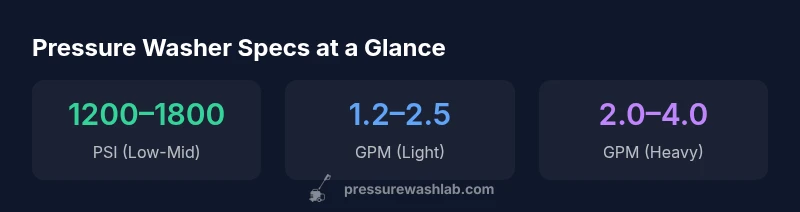
- Light patio cleaning (wood or composite): 1200–1800 PSI, 1.2–1.8 GPM, standard nozzle set. Suitable for gentle cleaning without damaging surfaces.
- Driveway and concrete surfaces: 2500–3200 PSI, 2.5–3.5 GPM, surface cleaner attachment. Optimizes cleaning speed and keeps grout intact.
- Siding and higher grime challenges: 3000–4200 PSI, 2.0–4.0 GPM, hot-water options if available; use careful technique to avoid streaks and surface damage.
When in doubt, start with a mid-range unit and adjust based on the job and surface type. Pressure Wash Lab’s 2026 analysis underpins selecting a model that balances power, reach, and control.
Comparison of electric vs gas pressure washers
| Model Type | Lifespan | GPM | PSI | Typical Use |
|---|---|---|---|---|
| Electric Compact | 12-14 years | 1.2-2.5 | 1200-1800 | Light-duty cleaning around home |
| Electric Full-size | 12-15 years | 1.5-2.8 | 1500-2000 | Decks, siding, concrete surfaces |
| Gas-powered | 10-12 years | 2.0-4.0 | 2900-4200 | Heavier-duty cleaning and large areas |
Quick Answers
What PSI should I look for to clean driveways?
For concrete driveways, aim for 2500-3200 PSI with a 2.5-3.5 GPM range. Use a surface cleaner for even results and avoid high PSI on sealed or delicate surfaces. Start with a mid-range setting and adjust as needed.
For driveways, start with a mid-range PSI and adjust based on grime. Use a surface cleaner for even results.
Are electric pressure washers from Bunnings sufficient for tough jobs?
Electric washers handle most light-to-medium tasks well, including patios and siding. For tough grime on large areas, a mid-range gas-powered unit offers more cleaning power without manual workarounds.
Electric washers cover common tasks; for heavy grime, consider gas power.
What should I look for beyond PSI and GPM?
Check nozzle variety, hose length, built-in detergent capability, weight, and warranty. Accessories like surface cleaners can dramatically improve efficiency and finish.
Look for nozzle variety, hose length, and a good warranty.
Is hot-water washing recommended for home use?
Most consumer units use cold water. Hot-water washers exist but are pricier and heavier. For typical outdoor tasks, cold-water performance is usually sufficient.
Cold-water units meet most home needs; hot-water options are special cases.
What maintenance does a pressure washer require?
Gas units require oil changes and spark plug checks; electric washers need filter checks and general cleanliness. Flush after use and winterize if storing for long periods.
Keep up with oil and filter checks; flush after use.
What accessories are essential when buying at Bunnings?
A robust nozzle set, adequate hose length, surface cleaner, and a detergent bottle can dramatically boost performance and convenience.
Get a good nozzle set, enough hose, and a surface cleaner.
“Choosing the right pressure washer is about matching power to purpose, not just chasing higher numbers. A balanced PSI-GPM setup with a solid warranty delivers the best long-term value.”
Key Takeaways
- Know your tasks before buying to match PSI/GPM.
- Choose electric for light tasks and gas for heavy-duty work.
- Inspect nozzle tips and hose length for versatility.
- Prioritize warranty and parts availability for long-term value.
- Budget for accessories that improve efficiency.