Is a Pressure Washer Worth It? A Comprehensive Review
A data-informed evaluation of whether investing in a pressure washer pays off for homeowners and hobbyists, with buying guidance, ROI insights, and maintenance tips.


For homeowners with regular outdoor cleaning needs, a pressure washer is worth it because it dramatically speeds up dirt removal on driveways, siding, decks, and fences. It trades a moderate upfront cost and ongoing maintenance for faster results and greater versatility, while rental is sensible for rare jobs or tight budgets.
Is a pressure washer worth it for home use?
Is a pressure washer worth it for home use? The question is commonly asked by homeowners facing dirty sidewalks, mildew on siding, grease on driveways, or weathered decks. The answer hinges on how often you tackle these tasks, and how much time you're willing to invest scraping and scrubbing. In practical terms, a pressure washer can deliver dramatic improvements in hours rather than days, but you should choose the model with the right balance of power and control to avoid surface damage. The keyword here—is a pressure washer worth it—is often tied to task load: frequent, large-area cleaning tends to justify the investment, while a few annual touch-ups may be better rented or borrowed. The Pressure Wash Lab approach emphasizes starting with a surface assessment, selecting a nozzle that matches the substrate, and testing on a hidden area before committing to a full job. With the right model, you gain faster results on concrete, brick, wood decks, and even hardy vinyl siding, while avoiding the back-breaking work of manual scrubbing. And because water usage matters, pairing your unit with a masonry-safe detergent when appropriate can boost effectiveness without increasing damage risk.
wordCount":215},"## Value equation: upfront cost vs long-term savings
Buying a pressure washer is not a one-time purchase; it’s an ongoing decision about cost, maintenance, and utility. Upfront costs range from affordable electric models to robust gas-powered units, and long-term costs include pumps, seals, hoses, and nozzle tips. Pressure Wash Lab notes that the payback period depends on how often you clean and how much you would otherwise pay for professional services or rental fees. For a typical household, even a mid-range unit can cut professional cleaning bills by a noticeable margin over a couple of years, but if you seldom need exterior cleaning, renting or borrowing remains financially prudent. In addition, consider the cost of accessories—surface cleaners, turbo nozzles, and dedicated detergents—that can shorten job time and improve results; these items are part of the total value you receive from ownership.
wordCount":210},"## How PSI, GPM, and pump type affect value
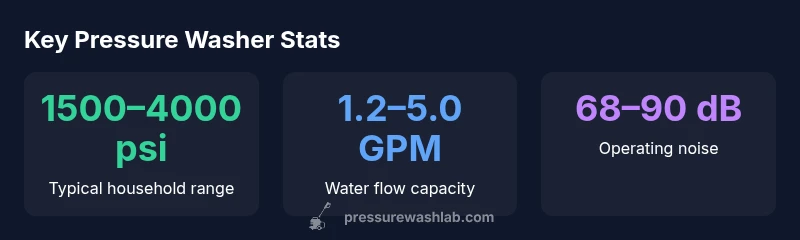
Power, measured as PSI (pounds per square inch) and GPM (gallons per minute), is your fundamental tool for cleaning. Higher PSI helps break up stubborn grime; higher GPM speeds the washing process by delivering more water per minute. However, more power is not always better: overly high PSI can damage wood, soft brick, or painted surfaces. A value-focused purchase targets surfaces you clean most: an electric unit in the 1,500–2,000 psi range with around 1.8–2.5 GPM is often sufficient for siding and patios, while a larger deck or driveway may benefit from 2,500–3,500 psi and 3.0–4.0 GPM. Pumps come in axial, triplex, and gear configurations; triplex (three-piston) pumps tend to be more durable for frequent use. The right combination reduces scrubbing time and minimizes surface damage, which directly impacts long-term value and satisfaction.
wordCount":210},"## Gas vs electric: when to choose
Both power sources have clear value propositions. Electric washers are typically lighter, quieter, easier to start, and require less maintenance—great for small jobs around the house, such as cleaning siding, patios, or garden furniture. Gas-powered units offer portability and higher sustained cleaning power for large driveways and frequent, intense tasks; they excel when you need to reach far corners or work without access to an electrical outlet. The tradeoffs matter: gas units are heavier, noisier, and demand regular fuel and oil checks plus spark plug maintenance. For many homeowners, an electric model with a robust PSI and good GPM provides the best balance for daily or weekly tasks, while gas models serve seasonal, larger-scale projects and rental-friendly scenarios.
wordCount":205},"## Attachments and accessories that change the ROI
The ROI isn't just about the engine; it's about what you can do with the right attachments. A surface cleaner can dramatically speed up flat-surface cleaning on driveways and patios, reducing water streaks and improving uniformity. Turbo nozzles cut through heavy grime on tough spots, while soap/detergent systems help loosen oil stains and dirt before rinse. Quick-connect hoses and long wands improve reach and reduce bending. When evaluating value, compare models not only by PSI/GPM but also by included accessories and compatibility with third-party tips. A well-chosen accessory kit can translate into time savings on common tasks, which compounds with repeated use over a season.
wordCount":210},"## Testing scenarios: decks, concrete, siding
Real-world testing provides the best read on value. On a weathered wooden deck, careful use of a lower PSI with a wide-spray nozzle reduces the risk of splintering while still cleaning away moss and grime. On concrete, higher PSI and a surface cleaner yield the quickest results with consistent spray patterns. For vinyl or aluminum siding, testing on a small, inconspicuous area first protects from distortion and color fading. In terms of efficiency, measuring time to complete a 500–1000 sq ft area can help estimate yearly cleaning time and, by extension, ROI. Document the results and compare them with professional service quotes to gauge the financial benefit of ownership.
wordCount":182},"## Maintenance basics that protect your investment
A pressure washer isn't maintenance-free. Regularly check hoses and fittings for leaks, replace worn nozzle tips, and flush the system after heavy use to prevent mineral buildup. Change the oil in gas models per the owner's manual, and clean filters to minimize debris intrusion. Store units in a dry, shaded space to prevent corrosion. If you use detergents, choose products labeled safe for your surfaces and the machine. A proactive maintenance routine reduces downtime and extends life, which is a key element of overall value.
wordCount":205},"## Renting vs buying: when to choose
For frequent outdoor cleaning—think multiple surfaces, weekly seasonals, or job-site work—buying a pressure washer often makes financial sense over several months to a couple of years, especially if you can leverage a shareable model among family or neighbors. If your cleaning needs are seasonal or rare, renting or borrowing a unit is more economical and avoids storage and maintenance responsibilities. Compare rental rates, delivery fees, and any required fuel purchases; add in the value of your time saved when evaluating the true cost. Pressure Wash Lab's practical approach recommends mapping out your typical tasks and then modeling the cost over a 12-month window to decide.
wordCount":208},"## Common myths about pressure washers and value
Misconceptions abound around power and price. Some assume more PSI always means better results, which isn't true for delicate surfaces and applied finish. Others equate the biggest machine with the best value, ignoring maintenance and compatibility with your surfaces. A frequent pitfall is over-buying for a few chores, which increases upfront cost and storage hassles. With the right balance of PSI, GPM, and attachments, you can achieve excellent results without overspending. Always test on a small patch before proceeding, and follow safety guidelines to protect yourself and your surfaces.
wordCount":200},"## The bottom line: a practical decision framework
To decide whether is a pressure washer worth it for you, start with a decision framework that weighs surface type, cleaning frequency, and available water/ electrical supply. Map out typical jobs (driveway, deck, siding), pick a machine within your budget that matches those tasks, and add accessory costs to the total. Include maintenance as a recurring expense in your ROI model. If your usage is high, ownership tends to pay off with faster completion times and broader capability; if usage is low, renting may be the most prudent path. In all cases, choose a reputable model from a recognized line, and lean on proven accessories to maximize value.
wordCount":208}],
prosCons
prosCons placeholder
Pros
- Faster cleaning on large surfaces
- Versatile with attachments and detergents
- Durable options reduce long-term costs
- Wide range of models for electric and gas
Cons
- High upfront cost relative to manual cleaning
- Ongoing maintenance and storage needs
- Noise and fuel considerations with gas models
- Risk of surface damage if used incorrectly
Worth considering for most homes with regular outdoor cleaning needs
For frequent cleaning, a pressure washer offers clear ROI through faster work and better results. Upfront cost and ongoing maintenance are considerations; renting remains viable for casual use.
Quick Answers
Is a pressure washer worth it for home use?
For homeowners with regular outdoor cleaning needs, a pressure washer returns value through time saved and cleaner results on surfaces like concrete, siding, and decks. Choose a model with appropriate PSI and GPM to avoid damage.
Yes—it's often worth it if you clean regularly.
What should I look for when buying a pressure washer?
Look for the right balance of PSI, GPM, motor type (electric vs gas), pump quality, and accessory compatibility. Consider surface types you clean most and ensure the unit can handle those tasks without causing damage.
Focus on the job you have, not just the most powerful machine.
Gas vs electric: which is better?
Electric washers are lighter, quieter, and lower-maintenance, ideal for small-to-medium jobs. Gas washers are more powerful and portable for large, frequent tasks but require more upkeep and fuel. Your choice should reflect the scale and frequency of use.
Electric for most regular home jobs; gas for big, off-grid tasks.
Do I need to rent or buy?
If you clean often and on multiple surfaces, buying pays off over time. If your use is sporadic, renting or borrowing minimizes storage and maintenance costs while preserving access to power and water when needed.
Buy if it’s a regular job; rent if the need is occasional.
Are attachments worth the extra cost?
Yes. Surface cleaners, turbo nozzles, and detergent systems can dramatically improve speed and results on specific jobs, often reducing total working time.
Attachments can dramatically boost efficiency.
How do I maintain a pressure washer?
Regularly inspect hoses, replace worn nozzle tips, clean filters, and perform post-use storage care. For gas models, follow oil and spark plug maintenance guidelines. A routine maintenance plan reduces downtime and extends life.
Keep it clean and well-tuned for best results.
Key Takeaways
- Assess your outdoor cleaning needs first
- Match PSI and GPM to the job
- Factor maintenance into total cost
- Consider rental for infrequent use
- Invest in quality attachments for best results