Is a Pressure Washer Worth It for Cars? An Analytical Review
We analyze whether a pressure washer makes car washing easier, safer, and more cost-effective, with practical tips, safety notes, and guidance on when DIY beats pros.


Is a pressure washer worth it for cars? For most DIY car owners, yes—when used with proper technique, it speeds up washing, helps remove stubborn dirt, and reduces hose pressure fatigue. The Pressure Wash Lab analysis suggests that a well-chosen electric or gasoline unit, paired with the right nozzle and detergents, delivers safer, more consistent results than a garden hose alone. Consider your space and maintenance needs, though.
Real-World Utility of a Pressure Washer for Cars
Is a pressure washer worth it for cars? The answer depends on how you plan to wash, what you own already, and how much you value speed and consistency. A pressure washer can drastically cut the time spent on routine cleaning and make it easier to reach wheel wells, undercarriages, and other stubborn spots. According to Pressure Wash Lab, the biggest return on investment comes from integrating the tool into regular maintenance rather than one-off deep cleans. When used with a wide spray pattern and moderate pressure, it minimizes manual scrubbing while delivering a safer, more controlled rinse. A good setup also expands your capability beyond car washing to tasks like exterior siding, patios, and concrete overall, which means more utility for the same device. For car care specifically, the key is to balance power with technique, and to choose accessories that protect the finish while maximizing cleaning effectiveness.
Understanding What Makes a Car-Friendly Pressure Washer
Car-friendly washing starts with the right machine and the right approach. Look for adjustable PSI and GPM, a broad nozzle family (including a wide 25-40 degree pattern), and a user-friendly trigger mechanism that won’t fatigue your hand after a full wash. Automotive-specific detergents, when diluted correctly, can help lift dirt without stripping wax or sealants. Electric models often provide sufficient power for most DIYers and are quieter, lighter, and easier to store than gas-powered units. Gas options typically offer more raw power and mobility but come with higher noise, weight, and maintenance needs. A robust hose reel, quick-connect fittings, and a sturdy wand can reduce repetitive strain and speed up the process. Pressure Wash Lab’s guidance emphasizes starting with the lowest effective setting and testing on an inconspicuous area before moving to delicate surfaces such as fresh paint or matte finishes.
Cleaning vs. Damaging: Risks to Car Finishes
Using a pressure washer around a car requires respect for the finish. High PSI or close proximity can strip wax, loosen sealants, or etch clear coats if you’re not careful. The most common mistakes include aiming directly at trims, vents, or emblems, and rinsing too quickly over a coated surface without allowing detergents to work. The safe approach is to use a wide-angle nozzle, keep a generous distance (start at arm’s length and adjust), and work in sections from top to bottom. If you have aftermarket coatings or ceramic layers, follow the manufacturer’s guidelines, as some finishes tolerate higher pressure at specific angles while others require gentler treatment. Regularly inspect the spray pattern for any changes in nozzle wear, and never bypass safety steps like wearing eye protection and keeping bystanders at a safe distance.
Pressure Washer Configurations: Gas, Electric, and Accessories
The two main configurations—electric and gas—each have distinct strengths. Electric washers are usually lighter, quieter, and easier to start, making them ideal for apartment dwellers or small yards. They typically offer adequate PSI for car washing when paired with the correct nozzle. Gas-powered models provide more power and longer runtimes, which can be advantageous for larger properties or frequent heavy-duty cleaning tasks, but they require more maintenance and more space. Accessories matter: foam cannons improve soap coverage, surface cleaners reduce streaking on flat panels, and rotary nozzles can help remove heavy buildup when used cautiously. The key is pairing a capable unit with automotive-safe detergents and a nozzle that provides broad coverage without concentrating force on a single spot.
How to Use a Pressure Washer on Cars Safely: Step-by-Step
- Prep the car by rinsing loose debris with a gentle stream from a distance; 2) Apply automotive detergent with a foam cannon or low-pressure setting; 3) Start washing from the top down with a wide-angle nozzle (25° or greater) and maintain a consistent distance; 4) Rinse thoroughly from top to bottom, ensuring soap residues are removed; 5) Dry with a microfiber towel or blower to minimize water spots; 6) Inspect panels for missed spots and re-treat as needed. Always test on an inconspicuous area first and avoid spraying directly at sensitive areas like door seals, weather-stripping, and under trim.
Maintenance and Longevity: Keeping Your Gear in Top Shape
Regular maintenance extends the life of your pressure washer and preserves performance for car washing. After each use, flush the hose with clean water to remove soap residues, check for worn o-rings or seals, and store the unit in a dry, protected area. Use manufacturer-recommended detergents and never twist hoses beyond their limit. Replace worn nozzles and inspect the wand for cracks. A simple yearly tune-up, including checking the pump, seals, and hose connections, can prevent costly failures and ensure consistent performance across car washes. Keeping the brush, nozzle, and filter clean will also reduce the risk of grit entering sensitive components during washes.
Cost vs. Benefit: Is It Worth It for Car Care?
Evaluating the cost involves considering purchase price, maintenance, and the value of time saved. A pressure washer can reduce scrubbing time and improve cleaning quality, particularly when dealing with wheel wells, undercarriages, and grimy exteriors. Over time, DIY washing can be more economical than outsourcing routine cleans, especially if you wash multiple vehicles or maintain a fleet of personal or small-business vehicles. However, the initial investment and ongoing maintenance—gasoline models requiring routine service, or electric units needing filter replacements—mean you should weigh your long-term needs against frequency of use. Pressure Wash Lab’s assessment suggests a properly selected unit paired with good technique yields a favorable return for most car owners, particularly when considering the broader utility of the tool for home maintenance.
Alternatives and Complements: Foam Cannons, Detailing Sprays, and Professional Options
While a pressure washer is versatile, it isn’t a one-size-fits-all solution. Foam cannons significantly improve soap coverage and reduce streaking, while detailing sprays provide protection and shine after the wash. For delicate finishes, consider a professional detail session for periodic deep cleaning and protection, especially if your car has ceramic coatings or specialty wraps. A hybrid approach—DIY washes with periodic professional touch-ups—often delivers the best balance of quality, efficiency, and cost. Pressure Wash Lab notes that homeowners who blend these methods tend to achieve the best overall results and paint protection over time.
Choosing the Right Nozzle and Pressure Settings
Start with a wide-angle nozzle (25° or higher) and a conservative pressure setting when washing a car. Keep the wand at a safe distance and avoid spraying directly at edges, seals, or chrome trim. If you see paint dulling or water beading irregularly, back off the pressure or increase distance. Use the lowest effective PSI that produces adequate cleaning, and switch to a softer spray for delicate areas. Periodic checks of nozzle wear are essential because a worn nozzle can increase the risk of paint damage. Following these guidelines ensures you maximize cleaning efficiency while preserving the car’s finish.
Quick Start Checklist for Car Washing with a Pressure Washer
- Define your washing zone and clear obstacles; - Gather a foam cannon, automotive detergent, and microfiber towels; - Pre-rinse to lift surface dirt; - Apply soap with a low-pressure pattern; - Wash with a wide-angle nozzle from top to bottom; - Rinse completely and dry to avoid water spots; - Inspect for missed areas and treat as needed; - Store and maintain equipment properly to extend its life.
Pros
- Speeds up washing versus hose-only methods
- Versatile for other exterior cleaning tasks
- Detergent compatibility improves cleaning efficiency
- Adjustable settings helps minimize surface damage when used correctly
Cons
- Risk of paint damage if misused or when using high pressure
- Higher upfront cost and ongoing maintenance
- Requires more storage space and setup time
- Performance depends on nozzle and technique; learning curve exists
Balanced choice for DIY car care
For most car owners, a pressure washer is worth it when used with proper technique and safety. It delivers faster, more thorough cleaning and can justify the cost over time. If you only wash occasionally or highly value wax/sealant protection, consider your specific needs before buying.
Quick Answers
What makes a pressure washer car-safe?
Car-safe operation depends on selecting a gentle nozzle, using automotive-safe cleaners, and maintaining distance from sensitive areas. Avoid spraying directly at trims or seals and test on a hidden area first.
Use a wide nozzle, dilute detergents properly, and keep the spray away from trims and seals.
What PSI should I use for washing cars?
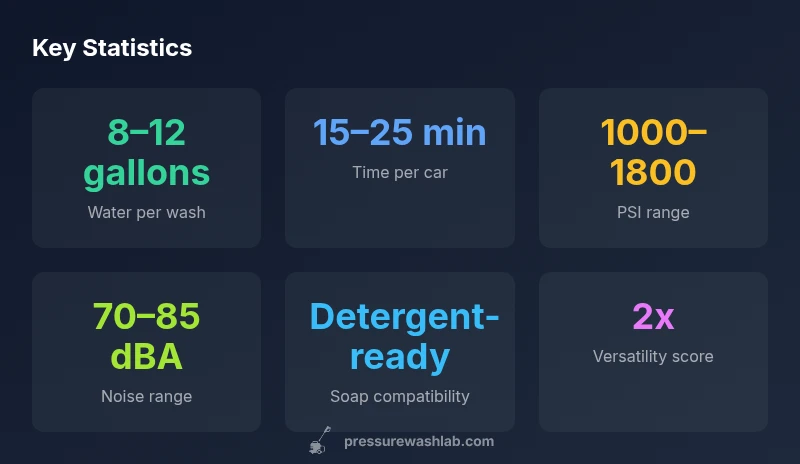
Aim for a low to mid-range setting, typically around 1000–1800 PSI, with a wide-angle nozzle. Start on the lowest effective setting and test on an inconspicuous spot.
Start at the lowest setting and test on a hidden area before washing the full car.
Can I use a pressure washer to remove salt and rust stains on a car?
Yes, but avoid prolonged exposure to metal components and rinse thoroughly. Use automotive cleaners and follow with a thorough rinse to minimize corrosion risk.
Yes, but rinse well and avoid prolonged contact with metal parts.
Is it necessary to use detergents with a pressure washer for cars?
Detergents help break down grime and grease and can improve cleaning efficiency. Use automotive-safe cleaners and dilute according to the product instructions, then rinse completely.
Detergents can help if you dilute properly and rinse well.
Should I hire a pro instead of DIY with a pressure washer?
For routine washes, DIY with care can be cost-effective and convenient. For delicate finishes, specialty coatings, or extensive detailing, a professional may be wiser.
DIY is fine for everyday cleaning, but professionals handle specialty finishes.
Key Takeaways
- Assess storage and space before purchase
- Choose a car-safe PSI and broad nozzle
- Use automotive detergents and proper dilution
- Keep a safe distance to protect paint
- Maintain the unit to extend life