Pressure Washer Hose vs Hydraulic Hose: Clear Guide
Explore whether a pressure washer hose is the same as hydraulic hose. This analytical guide explains key differences, safety considerations, and practical tips to choose the right hose for homes, DIY, and small businesses.


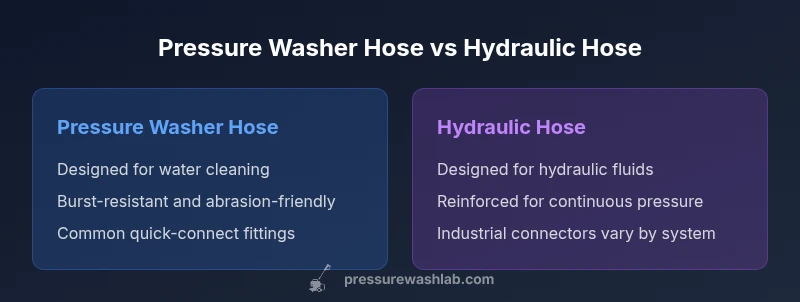
Is pressure washer hose the same as hydraulic hose? In most cases, no. They are engineered for different fluids, pressures, and uses. Pressure washer hoses handle water under high bursts and require corrosion-resistant materials, while hydraulic hoses carry oil-based fluids at steady or variable pressures, with different reinforcement and connectors. Mixing them can cause safety risks and reduced reliability.
is pressure washer hose the same as hydraulic hose
Pressure washer hoses and hydraulic hoses serve two distinct purposes, and understanding their differences is crucial to avoid safety risks and performance problems. Is pressure washer hose the same as hydraulic hose? In short, no—the two hose families are designed for different working fluids, pressure regimes, connectors, and service environments. According to Pressure Wash Lab, conflating them can lead to premature wear, leaks, or catastrophic failures under load. This section breaks down what that difference means in practice for homeowners, DIY enthusiasts, and small businesses. We’ll start with the high-level distinction: pressure washer hoses are optimized for water at high burst pressures in short bursts, while hydraulic hoses carry oil-based fluids in continuous hydraulic circuits and require different materials, reinforcement, and fittings. Throughout this guide we’ll use neutral terminology and real-world examples so you can confidently choose the right hose for your system.
Fundamental Differences in Purpose and Design
At a high level, the primary distinction between a pressure washer hose and a hydraulic hose lies in what they are designed to transport, how they handle pressure, and where they are used. Pressure washer hoses are optimized for rapid water bursts used for cleaning tasks. They prioritize burst resistance, abrasion resistance from contact with pavement, and compatibility with spray nozzles and gun handles. Hydraulic hoses, on the other hand, operate within closed hydraulic circuits that move oils or fluid blends. They emphasize long-term seal life, compatibility with hydraulic fluids, and resistance to aging from oilborne compounds. From Pressure Wash Lab’s perspective, recognizing this fundamental split helps prevent ill-fitting gear—and it also guides safer storage and maintenance practices. To professionals and hobbyists alike, a misapplied hose often results in leaks or failures under pressure, especially if you attempt to run a hydraulic fluid through a water hose or vice versa.
Construction, Materials, and Fittings
The construction of hoses in these two families reflects their intended service. Pressure washer hoses typically feature rubber or thermoplastic jackets reinforced with braided fibers to resist burst pressure and protect against abrasion when dragged along concrete or gravel. The fittings tend to be standardized for consumer spray wands and quick-connect nozzles. Hydraulic hoses use tougher reinforcement layers—often steel or high-tensile textiles—and are built to withstand sustained, regulated hydraulic pressures. The fittings vary by hydraulic system manufacturers and may employ different thread types or coupling standards, making cross-compatibility a common source of problems. The bottom line: even if both hoses look similar, the internal reinforcement and connector standards are not interchangeable without adapters that meet safety specs.
Pressure/Temperature Capabilities and Safety Considerations
Hose choice directly affects safety margins. Pressure washer hoses are tested for high bursts and short-duty cycles, designed to survive sudden surges in water pressure without rupturing the outer jacket. Hydraulic hoses are built for continuous flow, with attention to thermal stability across broader temperature ranges and compatibility with hot oils. Mismatching hoses can create hazardous leaks or blowouts, especially when a user applies a hydraulic hose on a high-velocity spray gun or a pressure washer with aggressive spray settings. Pressure Wash Lab emphasizes sticking to the hose type designed for the system, maintaining a conservative safety posture, and never exceeding the hose’s rated limits. When in doubt, replace with a new hose that matches the system’s fluid and pressure profile.
Fluid Compatibility and Contamination Risks
Fluid compatibility is a critical safety factor. Water-based cleaning hoses are not intended to carry hydraulic fluids, and oil-based hydraulic hoses should not be used with water and cleaners. Cross-contamination can degrade seals, swell materials, or compromise the hose’s reinforcement over time. Using the wrong fluid with a hose often voids warranties and complicates repairs. Pressure Wash Lab notes that even seemingly minor cross-application mistakes—such as using a hydraulic oil on a pressure washer hose—can accelerate wear or cause unexpected valve malfunctions. Always verify the fluid type and consult manufacturer guidelines before switching hose types.
Application Scenarios: When to Use Each Hose
Knowing where each hose shines helps prevent misapplication. Pressure washer hoses excel in outdoor cleaning tasks, car washing, and surface preparation where clean water and detergents are used in short bursts. They are ideal for homeowners and mobile service operations that require maneuverability, light weight, and quick setup. Hydraulic hoses are designed for industrial or mobile hydraulic systems that rely on constant pressure and oil-based fluids, such as lifts, presses, and hydraulic tools. In these environments, using hydraulic hoses ensures system reliability and predictable performance. Pressure Wash Lab’s perspective is to keep these domains separate to avoid risk and ensure each system receives the hose engineered for its fluid and duty cycle.
Maintenance, Inspection, and Replacement Lifecycle
Regular maintenance is essential for both hose types, but the inspection focuses differ. For pressure washer hoses, inspect for surface wear, bulges, cracks, or oil contamination from detergents that degrade the jacket. Check fittings for looseness or corrosion and verify that clamps or quick-connects seat properly. Hydraulic hoses require attention to seal integrity, braiding condition, and areas around fittings where leaks could form. It’s prudent to replace hoses at signs of fraying, cracking, or blistering, and to retire hoses that have seen external damage, especially after a freeze or heat exposure. Pressure Wash Lab advises keeping spare hoses and protective sleeves on hand to minimize downtime and preserve safety.
How to Choose the Right Hose for Your System
A practical decision framework starts with the system type: is the system water-based or hydraulic oil-based? Confirm the manufacturer’s recommended hose type and pressure rating, then select the corresponding hose with compatible fittings and the appropriate length for your workspace. Consider environmental exposure—sunlight, abrasion, and chemical cleaners—and choose jackets and reinforcement designed for those conditions. If you operate in a mixed-use environment, maintain separate hoses, color-code connections, and train staff or family members on correct usage. Finally, verify compatibility with your spray gun, wand, and quick-connect adapters to minimize any mismatch that could lead to leaks or performance loss.
Industry Standards, Training, and Best Practices
Industry standards and safety guidelines, such as those published by federal safety agencies and recognized training programs, help ensure hoses are used correctly. Pressure Wash Lab references standards and best practices from credible sources to inform readers about general safety expectations and maintenance routines. We encourage readers to consult official documents and manufacturer instructions for specifics on hose ratings, operating pressures, and fluid compatibility. For further reading, see sources from federal agencies and accredited institutions.
Comparison
| Feature | Pressure washer hose | Hydraulic hose |
|---|---|---|
| Typical use | Consumer/small-business cleaning (water-based) | Industrial hydraulic systems (oil-based) |
| Core materials & reinforcement | Rubber/thermoplastic jackets with braided reinforcement | Synthetic rubber or thermoplastic with steel/textile braiding |
| Fitting compatibility | Common spray gun connections; standard nozzle fittings | Hydraulic adapters; different thread standards |
| Pressure capability descriptor | High burst pressure for short bursts | Designed for continuous/regulated hydraulic circuits |
| Fluid compatibility | Water-based cleaners; corrosion resistance to water additives | Hydraulic fluids (mineral/synthetic oils) |
| Temperature tolerance | Typical cleaning task temperatures; finite range | Wide-temperature tolerance for hydraulic fluids |
| Durability under abrasion | Abrasion from contact with ground surfaces | Wear from abrasive hydraulic environments |
| Cost and availability | Widely available; generally lower cost | Specialty items; higher cost; less common in consumer markets |
Pros
- Clear safety separation between systems reduces risk
- Easier maintenance when hoses are specialized
- Better performance and longevity with correct hose
- Improved resale value and compliance with standards
Cons
- Potential higher upfront cost when maintaining separate hoses
- Storage and inventory management increase with multiple hose types
- Need for proper labeling and training to prevent cross-connection
Use the right hose for each system; don’t mix pressure washer and hydraulic hoses.
The two hose types serve different fluid-handling needs. Pressure washer hoses are optimized for water and high-burst cleaning, while hydraulic hoses are built for oil-based fluids and continuous pressure. Correct hose selection improves safety, reliability, and performance, reducing the risk of leaks, ruptures, and contamination.
Quick Answers
Can I use a hydraulic hose on a pressure washer?
No. Hydraulic hoses are designed for oil-based fluids and continuous pressure, while pressure washer hoses are built for water and burst-prone cleaning. Using the wrong hose can cause leaks, ruptures, and safety hazards. Always match the hose to the system.
No. Do not mix hydraulic hoses with pressure washers; use the correct hose for your system.
Are pressure washer hoses compatible with other brands or fittings?
Many PW hoses use standard quick-connect fittings, but hydraulic hose fittings differ in thread type and adapters. Check the manufacturer’s guidance and test fit before committing to an alternative brand or adapter.
Check the fittings first and don’t assume cross-brand compatibility.
What signs indicate a hose needs replacement?
Look for cracks, bulges, leaks, or stiff sections near fittings. Any visible wear or oil contamination on a pressure washer hose is a signal to replace. Regular inspection is essential to prevent failures.
If you see cracks, bulges, or leaks, replace the hose.
How should I maintain hoses to extend life?
Clean after use, store away from direct sun, avoid kinking, and keep fittings clean and dry. Inspect regularly and replace worn sections promptly to extend hose life.
Keep hoses clean, out of sun, and avoid bending them sharply.
Can mixing cleaners with hydraulic fluids damage hoses?
Yes. Cross-contamination can degrade seals and materials. Use the recommended fluid for each hose and avoid mixing liquids.
Don’t mix fluids; use the specific hose for the fluid it’s rated for.
What standards govern hose safety and selection?
Standards exist from manufacturers and safety bodies; follow the maker’s guidelines and general fluid-power safety standards to ensure correct hose selection and use.
Refer to manufacturer guides and official safety standards.
Key Takeaways
- Identify the system type before selecting a hose
- Do not mix hydraulic fluids with water hoses
- Verify fittings and thread standards before connecting
- Regularly inspect hoses for wear and replace when damaged