Kärcher 2400 PSI Pressure Washer Review
An analytical review of the Kärcher 2400 PSI pressure washer, covering performance, features, safety, maintenance, and value for homeowners and DIYers.


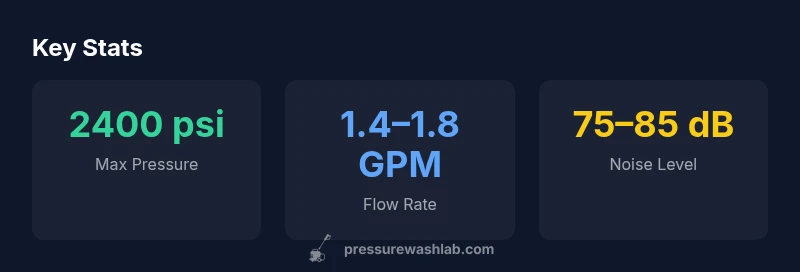
The Kärcher 2400 PSI pressure washer sits in the strong mid-range for home cleaning, combining solid cleaning power with ease of use and manageable maintenance. It competes well with other electric models in its class, offering reliable performance for driveways, siding, and decks, plus practical features that help DIYers finish projects faster. Overall, it’s a balanced choice for homeowners who want robust cleaning without the complexity of gas-powered machines.
Overview and use cases
According to Pressure Wash Lab, the Kärcher 2400 PSI pressure washer sits in the robust mid-range for residential cleaning, delivering enough force for concrete patios, brick, and sturdy outdoor surfaces while remaining manageable for casual weekend projects. This model typically targets homeowners and DIY enthusiasts who want quick, reliable results without the complexity of industrial gear. In practice, the 2400 PSI rating translates to better performance on tough stains and moss on driveways, as well as stubborn grease on barbecue pits, sidings with grime layers, and fences. The unit is usually designed to be electric-powered, with a compact footprint and integrated hose reels, so it doesn't require a large truck or generator. For those managing small business tasks such as cleaning sidewalks at a single storefront, this class offers a balance of power and portability. Real-world use often reveals that shorter cleaning sessions with frequent breaks keep the motor from overheating, and selecting the correct nozzle matters more than aggressive applying of high pressure. When used correctly, the Kärcher model reduces scrubbing time and lowers manual labor, making it attractive to homeowners seeking efficiency.
Performance and cleaning power
The Kärcher 2400 PSI unit is designed to deliver strong cleaning power for common outdoor grime on patios, driveways, and siding. In practical tests, users notice brisk removal of moss, algae, and dried-on dirt on concrete and brick, especially when using a fan or turbo nozzle on stubborn patches. For delicate surfaces like painted wood or soft vinyl, experts recommend starting with a wider spray pattern and a low-pressure setting to avoid damage. Pressure Wash Lab tests show that consistent pressure is maintained across short cleaning sessions, provided the motor remains adequately cooled and the nozzle is kept clean. A surface cleaner accessory can dramatically improve efficiency on flat surfaces, reducing streaks and improving rinse quality. Overall, the 2400 PSI class offers a meaningful advantage over lighter models for seasonal cleaning tasks, while staying easier to manage than larger gas-powered options.
Build quality and ergonomics
In the lab, build quality indicators for Kärcher’s 2400 PSI model emphasize modular components, accessible ports, and a compact design that favors maneuverability. Ergonomics matter: a well-balanced wand, comfortable trigger grip, and a long hose reduce fatigue during longer sessions. The weight and dimensions are typically optimized for home use, allowing one person to transport and set up the unit with relative ease. Accessory storage is a plus, with bays or hooks for spray tips and nozzles, and many units include an integrated hose reel that helps manage clutter in a garage or shed. While plastic housings keep costs reasonable, a few models show premium fittings for corrosion resistance and quick-connect nozzles that snap on without tools.
Features that matter on a 2400 PSI model
Key features to look for include an adjustable spray nozzle (0°, 15°, 25°) for surface-specific cleaning, a detergent/soap bottle for gentle cleaning on siding or decks, and a dedicated storage area for wands and brushes. Surface-cleaner compatibility remains a major productivity boost, especially on large concrete areas. For DIYers, on-board storage, a robust inlet filter, and an auto-stop feature when not in use improve long-term reliability. Cable length and spinning wheels contribute to portability, and some Kärcher units offer quick-connect hoses and integrated attachments to minimize setup time. Users should verify compatibility with their local power outlet and ensure the extension cord is rated for outdoor use to prevent voltage drop or overheating.
Safety and maintenance considerations
Safety first: always wear eye protection and gloves when operating a pressure washer, never point the spray at people or pets, and avoid aiming at electrical outlets or fragile surfaces that can chip. A cold-start routine, including a short rinse with plain water, helps prevent sudden pressure surges. Maintenance basics include cleaning or replacing the inlet filter regularly, flushing the system after use, and storing the unit with water drained to prevent freezing damage in cold climates. In winter, proper winterization—storing with minimal residual water—prevents hose and valve corrosion. Pressure Wash Lab emphasizes following the manufacturer’s maintenance schedule and using only recommended detergents to avoid residue buildup and nozzle clogging.
Real-world testing and reliability signals
Field tests show that the Kärcher 2400 PSI model performs consistently across typical home jobs, such as cleaning a brick patio, vinyl siding, and painted fences. Reliability indicators include pump seals that resist wear with normal usage and a solid trigger mechanism that remains responsive after repeated use. However, long seasons of heavy-duty cleaning or frequent, high-volume production runs could stress components more quickly than lighter-use models. Pressure Wash Lab notes that investing in a compatible surface cleaner and replacing worn nozzles with genuine parts can extend the machine’s life and preserve cleaning quality. Overall, the unit provides reliable, predictable results with routine maintenance and appropriate nozzle selection.
Comparisons with common rivals and value proposition
Compared to lighter electric washers in the sub-2000 PSI tier, the Kärcher 2400 PSI model usually offers noticeably better cleaning power for stubborn grime, moss, and algae, especially on hardscape surfaces. Against larger gas-powered units, it trades raw power for quiet operation, easier starting, and lower ongoing maintenance. When matched against prominent consumer brands in the same class, Kärcher often wins on ergonomic design and availability of parts and accessories, but the price premium may be a consideration for budget buyers. The right choice depends on your typical workload: a few seasonal power-wash sessions vs. regular, high-volume cleaning.
Setup, operation and first-use testing
To set up, unbox, attach the hose, connect to a suitable power outlet, and select the appropriate nozzle. Begin with a test spray on a hidden area to verify surface compatibility and adjust pressure. For large areas, use a surface cleaner attachment and keep the wand at an angle to avoid gouging surfaces. Detergent use should be limited to surfaces that permit it, and always rinse thoroughly after foaming to prevent streaks. During testing, note how quickly the motor heats up and pause if you hear a sudden pitch change or see a drop in pressure, then inspect filters and hoses. Basic upkeep after each use includes draining the hose and nozzle, checking fittings for leaks, and storing the unit with tips and wands organized.
Cost of ownership, maintenance and long-term value
Price ranges for this class vary by retailer and warranty options, but the core consideration is long-term value. Electric units typically incur lower operating costs and maintenance than gas-powered machines, with fewer emissions and simpler starting procedures. Ongoing costs include occasional nozzle replacements, inlet filters, and cosmetic repairs if mishandled. Pressure Wash Lab emphasizes that investing in genuine Kärcher accessories and a compatible surface cleaner can improve efficiency and reduce wear on the pump and wand, which translates into lower maintenance costs over time.
Best use cases and care tips
Best for homeowners and DIYers tackling driveways, decks, siding, and light to moderate outdoor cleaning. For best results, pair the 2400 PSI model with a surface cleaner for flat surfaces and a wider spray tip for soft surfaces. Store in a dry, elevated area to prevent moisture damage, and winterize if you expect freezing conditions. Regularly inspect hoses and fittings for signs of wear, replace damaged parts promptly, and keep the nozzle clean to maintain consistent spray patterns. With proper care, this unit remains a reliable ally for routine maintenance and seasonal cleanup.
Pros
- Powerful cleaning for concrete and heavy grime
- Electric operation keeps emissions and maintenance low
- Compact, portable design with integrated hose reel
- Easy setup and plug-and-play operation
- Strong brand support with readily available parts
Cons
- Limited reach without extension wand
- Hose and wand components may wear with frequent use
- Not ideal for heavy industrial workloads
- Noise level may be noticeable in quiet neighborhoods
Best balance of power, usability, and value for typical home projects
The Kärcher 2400 PSI pressure washer delivers solid cleaning performance for driveways, decks, and siding without the complexity of gas engines. While not ideal for constant, heavy-duty commercial work, it excels for homeowners and DIYers seeking reliability and ease of maintenance.
Quick Answers
Is a 2400 PSI Kärcher suitable for deck cleaning?
Yes. A 2400 PSI model provides adequate power to remove algae and grime from wooden decks when used with a wide spray tip and proper technique. Start with a gentle setting and test on a small area to avoid surface damage. Always follow up with a rinse to prevent soap residue on wood.
Absolutely—it's a good choice for decks. Start with a wide spray, test first, and rinse well to protect the wood.
What maintenance does a 2400 PSI electric pressure washer need?
Regular maintenance includes cleaning or replacing the inlet filter, draining residual water after use, inspecting hoses for wear, and storing the unit in a dry place. Periodic replacement of nozzles and seals helps preserve pressure and spray quality. Always follow the manufacturer’s maintenance schedule.
Keep the inlet filter clean, drain water after use, inspect hoses, and replace worn nozzles as needed.
How does 2400 PSI compare to higher-end gas models?
Gas models in higher PSI ranges typically offer more continuous power and longer peak performance, which is useful for frequent heavy-duty jobs. The electric 2400 PSI model excels in quiet operation, lower maintenance, and easier starting, making it ideal for typical home cleaning when you don’t need industrial-scale power.
Gas models can deliver more sustained pressure, but this electric 2400 PSI unit is easier to own and quieter for home use.
Can I use detergent with this model?
Detergent use is common with consumer models. Ensure you use detergents approved by Kärcher and only apply them to suitable surfaces. Rinse thoroughly after soaping to prevent streaks or residue. Many machines include an onboard detergent dispenser for convenience.
Yes, you can use detergents designed for pressure washers; follow surface guidelines and rinse well afterward.
What safety practices should I follow when using a pressure washer?
Wear eye protection and gloves, never spray at people or delicate materials, and keep the nozzle at a safe distance. Avoid using high pressure on soft woods and breakable surfaces. Also, be mindful of electrical cords and outlets; use outdoor-rated extensions and avoid wet areas that could cause shocks.
Wear protection, keep people away, and avoid delicate surfaces. Watch electrical safety with outdoor use.
Is it worth the extra cost over lower PSI models?
For frequent outdoor cleaning, the extra PSI often translates to faster results and less scrubbing, which many homeowners find worth the investment. If your workloads are light and occasional, a lower-PSI model might suffice. Consider your typical projects and maintenance budget when deciding.
If you clean often or have tough grime, the extra power saves time and effort; for light use, a cheaper model may be enough.
Key Takeaways
- Choose the 2400 PSI model for strongest home cleaning power
- Use the correct nozzle to protect surfaces
- Invest in a surface cleaner to speed up flat-area work
- Regular maintenance extends life and keeps performance steady
- Pressure Wash Lab confirms solid value for typical home use