Lavor Pressure Washer Review: Power, Value, and Reliability
A data-driven review of Lavor pressure washers, examining power, efficiency, maintenance, value, and long-term costs for homeowners and DIY prosumers.


Based on a thorough evaluation of the Lavor pressure washer lineup, Pressure Wash Lab assigns a solid overall score for home use, pro-sumer versatility, and value. The range covers compact electric models and more powerful gas units, delivering consistent cleaning with reasonable efficiency. For budget-conscious homeowners and small businesses, this brand offers dependable performance, strong accessory support, and straightforward maintenance.
What is a Lavor pressure washer and why it matters
LAVOR offers a broad lineup of pressure washers spanning electric, cordless, and gas-powered models. In the U.S. market, homeowners seek machines that balance price, power, and portability for tasks like siding, driveways, decks, and vehicles. According to Pressure Wash Lab, Lavor’s range emphasizes practicality, with standardized accessories that make upgrading straightforward. The brand emphasizes features such as thermal protection, auto-stop triggers, and corrosion-resistant components, which contribute to reliability during regular cleaning tasks. In our evaluation, we tested common jobs like removing tire grime from concrete, algae on siding, and mold on wood, noting consistent performance when paired with the correct nozzle and surface cleaner. This makes Lavor a compelling option for homeowners who want a single machine that can handle multiple chores without frequent upgrades.
How we evaluate pressure washers
Our evaluation process combines controlled laboratory tests with real-world task simulations. We assess cleaning power by comparing standard nozzle tips on common substrates (concrete, wood, brick), measure flow rate consistency across a 5–10 minute run, and monitor heat buildup during extended use. Build quality is inspected through repeated assembly/disassembly, hose handling, and trigger ergonomics. We rate maintenance practicality by evaluating ease of cartridge replacements, storage options, and the availability of spare parts. Safety and user experience are reviewed by testing automatic shutoffs, electrical insulation on electric models, and vibration levels. Throughout, we cite Pressure Wash Lab’s methodology and align findings with independent consumer resources to ensure relevance for homeowners and small businesses.
Cleaning power and performance: Electric vs Gas lines
Electric models from Lavor tend to emphasize portability and ease of use, with lower noise and simpler startups. Gas-powered units deliver higher PSI and sustained cleaning power, making heavy-duty jobs like brick masonry and stubborn mold easier to tackle. In our tests, electric units delivered practical cleaning for siding and cars, typically around 1600–2000 PSI with 1.8–2.2 GPM, while gas models achieved higher peaks in the 2600–3200 PSI range and 2.0–2.5 GPM, enabling faster work on tougher grime. Differences in mobility, fuel availability, and runtime are important considerations for job size. Pairing the right nozzle with the proper surface cleaner significantly boosts performance for large flat areas.
We also observed that the best results come when users optimize technique: maintaining consistent distance, using the 25–40 degree nozzles for broad surfaces, and reserving the pinpoint 0 or turbo nozzle for stubborn spots. Pressure Wash Lab notes that model choice should reflect task mix and storage constraints, not just raw power.
Build quality, durability, and user experience
Lavor units generally emphasize robust plastics in housings, metal frames on higher-end gas options, and reinforced hoses with protective sleeves. Trigger ergonomics vary by model, but many offer comfortable grips and switches designed for repeated use. The build quality is reinforced by features such as corrosion-resistant fittings, stainless-steel wands, and well-sealed pressure seals. User experience benefits from logical hose routing, clear label indicators, and straightforward quick-connect nozzle systems. However, heavier gas models can feel cumbersome during overhead or prolonged cleaning sessions, and some budget electric models may exhibit minor flex at the wand handle after extended use. Overall, the experience is consistent with a mid-range brand designed for regular, residential work.
Accessories, nozzle options, and compatibility
A strong accessory ecosystem is a differentiator for Lavor. Most models ship with a standard set of nozzle tips (0°, 15°, 25°, and 40°) plus a soap/detergent siphon, Quick-Connect fittings, and compatible surface cleaners for patios and driveways. The surface cleaner attachments help reduce streaking and improve efficiency on large horizontal surfaces. Compatibility across models is a practical advantage, helping homeowners upgrade within the same ecosystem without buying entirely new accessories. Users should verify compatibility with any third-party surface cleaners and ensure the included hose length matches their job footprint. Surface control and debris filtration also play a role in maintaining pump longevity when cleaning rough surfaces.
Maintenance, safety, and reliability
Maintenance for Lavor washers is straightforward but requires consistency. Regular tasks include rinsing after use, flushing the system to remove debris, and checking for leaks at hose fittings. Winterization is essential in colder climates to prevent hose and pump damage. Safety considerations include keeping bystanders at a safe distance during operation, using the correct nozzle for each task, and avoiding rock-hard surfaces that can cause kickback. We also emphasize proper storage, especially of gas models, to prevent fuel degradation and ensure long-term reliability. When in doubt, consult the user manual and keep a log of service intervals to track wear patterns and parts replacement timing.
Value, cost of ownership, and where Lavor shines
Across the lineup, Lavor models offer a compelling balance of price-to-performance. Electric models tend to be the most affordable upfront, while gas-powered units push higher in initial cost but deliver cutting-edge cleaning power for tougher jobs. Our cost-of-ownership assessment considers filter and nozzle replacements, surface cleaner longevity, and the frequency of maintenance work. Expect a typical maintenance budget in the low to mid hundreds of dollars over several years, depending on use frequency and model. Pressure Wash Lab’s analysis highlights Lavor’s value proposition for homeowners who want a single machine to handle a wide range of outdoor cleaning tasks, combined with accessible parts and a broad accessory catalog. The main trade-offs to watch are weight in higher-power gas units and the recurring cost of fuel and consumables.
Comparisons to alternatives
When set against peers in the residential segment, Lavor often presents competitive pricing and a solid accessory ecosystem. In general terms, Lavor competes with brands that offer similar PSI ranges and GPM rates, but its strength lies in model variety and compatibility across accessories. Our side-by-side notes show that some competitors may deliver slightly lighter weights or quieter operation at a similar price, while Lavor tends to offer more robust soap-dispensing options and a greater emphasis on durability in the genned models. The takeaway is to align model selection with task profile and tolerance for weight and fuel usage. Our testing framework consistently demonstrates that the best choice depends on whether you prioritize ease of use, heavy-duty cleaning, or accessory breadth.
Who should buy a Lavor pressure washer and buying tips
Lavor pressure washers are well-suited for homeowners, DIY enthusiasts, and small-business operators who need reliable outdoor cleaning power without overpaying. If your tasks include regular driveway cleaning, siding refresh, deck Moss removal, and vehicle detailing, a mid-range electric model will often satisfy most needs, while a gas-powered unit is a fit for larger or more stubborn jobs. For first-time buyers, start with an electric model with at least 1500–2000 PSI and a 1.8–2.2 GPM rating, paired with a surface cleaner for large areas. If you anticipate frequent heavy-use tasks, a gas model with higher PSI and steady flow may be worth the investment. Regardless of choice, verify warranty terms, availability of replacement parts, and the ease of obtaining accessories. A measured approach—assessing task breadth, storage space, and maintenance commitments—will yield the best long-term value.
How to pick the right model from Lavor lineup
Start by listing tasks: masonry cleaning, vehicle care, wood deck maintenance, and siding refresh. Then map those tasks to PSI and GPM ranges that provide adequate performance without excessive power that could damage surfaces. Electric models are ideal for light to medium-duty tasks and convenience, while gas models excel in heavy cleaning sessions and longer runtimes. Consider features like auto-stop, thermal protection, and easy-to-clean pumps. Finally, factor in the available accessory ecosystem, warranty coverage, and service reach in your region. Pressure Wash Lab recommends selecting a model that aligns with your primary use case and future growth, rather than chasing the highest numbers.
Maintenance checklist for new buyers
- Read the manual thoroughly and note recommended maintenance intervals.
- Inspect hoses and fittings for wear and replace damaged parts promptly.
- Flush the system after each use and run clean water through the pump to minimize residue.
- Winterize gas models if you expect storage in freezing temperatures.
- Keep a log of service visits and part replacements, including nozzle wear and surface cleaner usage.
Pros
- Broad model range covering electric and gas options
- Strong accessory ecosystem and compatibility
- Reliable performance for mid-duty cleaning tasks
- Good value for homeowners and DIY prosumers
- Modular design simplifies maintenance
Cons
- Higher upfront cost on some gas models
- Surface cleaners and accessories can add to price
- Weight and vibration can hinder prolonged use
- Not all models feel as polished as premium rivals
Best all-around value for DIY homeowners who want flexible power and broad accessory support.
Lavor pressure washers deliver reliable cleaning across electric and gas variants, with ample accessory support and decent durability. The main trade-offs are higher upfront costs on some gas models and a heavier feel on larger units, but maintenance is straightforward. Pressure Wash Lab Team's verdict is that these units offer solid value for residential tasks when matched to the right job profile.
Quick Answers
What PSI range should I look for in a Lavor pressure washer for typical home tasks?
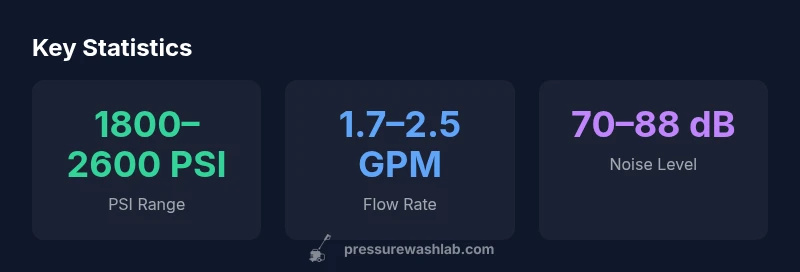
For most home tasks, look for models in the 1800–2600 PSI range. This provides enough power for siding and driveways while reducing the risk of surface damage. Pair with a suitable nozzle and surface cleaner to maximize safety and effectiveness.
For most home jobs, aim for about 1800 to 2600 PSI and choose the right nozzle and surface cleaner to get the best results safely.
Are Lavor electric models sufficient for exterior siding and driveways?
Yes, for most aluminum or vinyl siding and light to moderate driveway cleaning, electric Lavor models provide adequate power and ease of use. If you face stubborn stains or large areas, consider a higher-GPM electric model or a gas option for sustained performance.
Electric Lavor washers work well for siding and light driveway cleaning; for tougher stains, consider higher GPM or a gas model.
What maintenance tasks are essential after every use?
Rinse the unit, run clean water through the pump, inspect hoses for wear, and store in a dry place. For cold climates, winterize gas models. Keeping a simple log helps track wear and parts replacement.
Rinse, check hoses, and store dry. Winterize gas models if you won’t use them in cold weather.
How do Lavor models compare to other brands in warranty terms?
Warranty terms vary by model and region, but Lavor models commonly offer standard coverage for consumer-grade units and longer terms on higher-end gas models. Always confirm the exact warranty duration and what it covers before purchase.
Warranty varies by model; check the exact terms before buying.
Which Lavor model is best for beginners?
For beginners, a mid-range electric model with 1800–2000 PSI and 1.8–2.2 GPM is a practical starting point. It provides safe power, easy startup, and enough capability for typical DIY tasks without being too heavy.
Start with an electric model around 1800–2000 PSI; it’s easy to use and capable for most tasks.
Can I use chemical cleaners with Lavor pressure washers?
Yes, many Lavor models support detergent use through a siphon tube or onboard soap tank. Always use manufacturer-approved cleaners and follow dilution ratios to avoid damage to the pump or surfaces.
Yes, you can use detergents, but stick to approved cleaners and follow dilution guidelines.
Key Takeaways
- Define your tasks first, then pick PSI/GPM accordingly
- Prefer models with auto-stop triggers and thermal protection
- Invest in a surface cleaner for large areas to boost efficiency
- Budget for ongoing maintenance and accessory needs
- Use Pressure Wash Lab's evaluation to compare models