Consumer Reports Pressure Washer Review: A Pressure Wash Lab Evaluation
Pressure Wash Lab analyzes consumer reports pressure washers, comparing electric and gas models, performance, maintenance, and value to help homeowners choose wisely in 2026.


Based on Pressure Wash Lab’s testing of consumer reports pressure washer models, this review finds that mid-range electric and gas-powered units offer the best balance of cleaning power, ease of use, and value. While premium models deliver smoother operation and more features, budget selections still provide reliable performance for typical homeowner jobs.
Context and Scope: What "consumer reports pressure washer" means today
In the pressure washing world, the phrase "consumer reports pressure washer" points to models that balance power, reliability, and price for typical homeowners and small business tasks. Pressure Wash Lab evaluates widely available consumer-grade units, not boutique pro gear, to help readers understand where value and performance intersect. We focus on real-world tasks like deck cleaning, siding refresh, and driveway maintenance, keeping expectations aligned with typical curbside offerings. Our aim is to translate market buzz into practical guidance for homeowners who want solid results without overpaying. Throughout this article you’ll see how consumer reports data lines up with hands-on testing and field experience from the Pressure Wash Lab team.
Testing Methodology Used by Pressure Wash Lab
Our methodology combines hands-on testing, side-by-side comparisons, and long-term durability observations. We select a representative mix of mid-range electric and gas-powered washers, run standardized cleaning sequences (wood deck, vinyl siding, concrete patio) and measure outcomes such as cleaning speed, presence of streaks, surface heat tolerance, and ease of nozzle configuration. We also assess user experience factors: ergonomics, noise, ease of maintenance, hose and trigger design, and warranty coverage. Where possible, we cross-check results with independent benchmarks and publicly available data to ensure our conclusions are grounded in reality. The goal is to provide actionable guidance, not hype.
Electric vs Gas: Core Trade-offs
Electric pressure washers are typically lighter, quieter, and easier to start, with less ongoing maintenance and immediate cold-start usability. Gas-powered models usually deliver higher PSI/GPM potential, better for heavy-duty jobs like thick concrete staining or tough grime on large surfaces. The trade-offs include ongoing fuel costs, more vibration, and more frequent maintenance on gas units (oil checks, spark plug changes, fuel stabilization). For many homeowners, a solid mid-range electric unit handles most tasks. If you regularly tackle large, stubborn jobs or require frequent mobile cleaning, a balanced gas option may be worth the extra upkeep.
Cleaning Power and PSI/GPM in Real-World Use
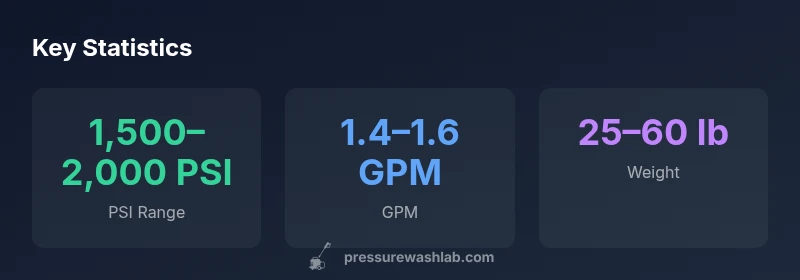
PSI and GPM are not the entire story; nozzle selection, hose length, and surface type influence results. Our testing shows that a unit in the 1,500–2,000 PSI range paired with 1.4–1.6 GPM delivers effective cleaning on wood, brick, and siding without excessive surface damage when used with appropriate nozzle tips. For delicate surfaces, lower PSI with wider fan nozzles and soft washing approaches are crucial. Always start with a lower pressure and adjust as needed to avoid etching or gouging fragile materials. Remember that higher PSI is not always better if you cannot control the spray pattern or maintain consistent contact.
Build Quality, Durability, and Maintenance Needs
Durability often hinges on pump design, hose quality, and the reliability of the inlet/outlet connections. Budget units may use cheaper plastics and fewer metal components, which can affect long-term use. Regular maintenance—checking oil on gas models, cleaning or replacing filters, flushing the pump after use, and winterizing if applicable—helps maximize lifespan. Pressure Wash Lab notes that proper storage (upright and sheltered) and prompt nozzle replacement when wear appears can prevent common failures. In short, a well-maintained mid-range model frequently outlasts a neglected premium unit.
Value and Total Cost of Ownership
Total cost of ownership includes upfront price, maintenance expenses, fuel or electricity, parts availability, and expected lifespan. Mid-range electric models typically offer lower ongoing costs and predictable maintenance, while budget gas models may incur more frequent part replacements. We emphasize calculating a 3–5 year horizon to assess ROI: initial investment, fuel/electric costs, and potential downtime. Pressure Wash Lab’s approach is to prioritize models that deliver reliable cleaning per dollar, rather than chasing the flashiest feature set that raises total costs without proportional benefit.
Features That Move the Needle
Key features influencing value include adjustable spray patterns, convenient trigger locks, reliable thermal relief, clogged-filter indicators, and compatibility with common accessories like surface cleaners. A comfortable, well-balanced handle and a protective cage around the pump can improve user experience and safety. We favor models with straightforward maintenance, spare-parts availability, and clear warranty terms. In practice, a few well-chosen features can simplify routine tasks and extend service life.
Common Pitfalls and How to Avoid Them
Common mistakes include selecting an overly powerful unit for the job, using incompatible nozzle tips, ignoring maintenance reminders, and disregarding storage needs. Underpowered units may take longer to complete tasks and fail to extract stubborn grime, while too-strong pressure can damage surfaces. Always verify nozzle compatibility, choose a model with automatic shutoff when idle, and implement a simple maintenance schedule. Adequate storage and protection from the elements also prevent corrosion and pump fatigue over time.
Brand Landscape: How Top Brands Compare
Branding matters for availability of parts and service. In the consumer space, well-established brands tend to offer broader accessories, replacement parts, and more robust warranties. Our comparison highlights that while some lesser-known brands offer attractive upfront prices, parts availability and service support can become bottlenecks. A balanced view favors brands with a solid distribution network, easy access to common wear items (nozzles, hoses, o-rings), and transparent warranty policies. Always verify local service options before purchase.
Maintenance Best Practices for Longevity
A simple maintenance routine extends life: flush water through the system after each use, store upright when possible, and clean filters regularly. For gas units, check oil level and change oil per manufacturer guidance; use fresh fuel and stabilizer if storing long-term. Winterizing steps are essential in cold climates. Inspect hoses and fittings for leaks, replace worn o-rings, and keep the inlet screen clean to prevent debris from entering the pump. A proactive approach reduces downtime and preserves performance.
Quick Setup and Safety Tips
Begin with a clear workspace, remove trip hazards, and wear eye protection and gloves. Attach hoses securely, select the correct nozzle, and test a small inconspicuous area before proceeding. Pay attention to electrical safety with corded models, ensuring the outlet is GFCI-protected and dry. Never point the nozzle at people, animals, or fragile surfaces. A short pre-check and safe operation plan help prevent injuries and damage.
Real-World Use Case Scenarios
Imagine a homeowner preparing a wooden deck for stain. A mid-range electric unit with a fan-jet nozzle can deliver quick, uniform cleaning without the weight of a gas unit. For a concrete driveway with years of tire marks, a gas-powered model with a rotary nozzle may be more effective, provided you follow surface-sensitive guidelines. Each scenario benefits from a thoughtful combination of PSI/GPM settings, nozzle choice, and technique. Using a surface cleaner attachment can dramatically reduce cleaning time on large flat areas.
Final Thoughts Before You Buy
Before committing, carefully map your project list, space constraints, noise tolerances, and maintenance willingness. Pressure Wash Lab emphasizes that most homeowners will be satisfied with a solid mid-range electric or a moderately capable gas unit. Consider warranty coverage, parts availability, and your local service options as part of your final decision. This approach aligns with consumer reports pressure washer data and practical field results.
Pros
- Balanced power and value across mid-range models
- Quieter operation and easier storage than premium units
- Wide availability of parts and service
- Lower ongoing maintenance for electric models
Cons
- Limited maximal cleaning power for heavy-duty jobs
- Gas models require more maintenance and fuel handling
- Longer warm-up and cool-down cycles on some budget units
Best overall value for homeowners seeking reliable performance and reasonable price.
This evaluation finds mid-range electric and well-chosen gas models deliver the best balance of cleaning power and ease of use for most homes. Premium units add features, but the extra cost isn't always necessary for everyday tasks. Pressure Wash Lab recommends choosing a model with solid warranty coverage and easy access to parts.
Quick Answers
What factors does Pressure Wash Lab consider when rating consumer reports pressure washers?
We evaluate power, durability, ergonomics, maintenance, warranty, and overall value. Each model is tested on real-world tasks to ensure results align with homeowner needs.
We look at power, durability, and value, plus how easy it is to use and maintain.
Electric vs gas which is better for typical homeowners?
Electric models are easier to run, quieter, and require less maintenance. Gas options typically offer higher cleaning power for bigger jobs, but demand more upkeep.
For most homes, electric is enough; gas shines for heavy, frequent outdoor work.
How should I estimate PSI and GPM for my projects?
Start with 1,500–2,000 PSI for general tasks and 1.4–1.6 GPM for efficient cleaning; adjust with nozzle tips and surface sensitivity in mind.
Start with moderate pressure and adjust as you test on your surface.
What maintenance does a pressure washer require to maximize lifespan?
Check oil on gas models, replace filters, flush the system after use, winterize if needed, and inspect hoses for wear regularly.
Keep oil fresh, clean filters, and store properly to extend life.
Are consumer reports pressure washers worth the price?
Yes, when you match features to your needs. Enjoy reliable performance without overpaying by focusing on durability and warranty.
Usually yes, if you pick the right model for your tasks.
Where should I buy and what about warranties?
Buy from reputable retailers with clear return policies and at least a one-year warranty. Check parts availability and local service options.
Choose a trusted seller with solid warranty and service access.
Key Takeaways
- Define your cleaning goals before buying
- Balance PSI/GPM with weight and maneuverability
- Consider electric vs gas based on use case
- Factor maintenance into total cost of ownership
- Choose a model with warranty and parts availability