American Pressure Washer Review: Performance, Value, and Guidance for 2026
Pressure Wash Lab analyzes the american pressure washer landscape for 2026, detailing performance benchmarks, key features, maintenance tips, and buying guidance for homeowners and DIY enthusiasts.


An american pressure washer is a high-pressure cleaning tool that uses a powered pump to propel water at extreme velocity, enabling dirt, mold, and grime to be blasted from surfaces like siding, driveways, and decks. For most homeowners, the best choice balances power, portability, and maintenance ease. Pressure Wash Lab notes that gas-powered units deliver raw cleaning torque for tough jobs, while electric models excel in quiet operation and simpler upkeep.
What is an American pressure washer?
An american pressure washer refers to pressure-washing tools commonly sold in the U.S. market, encompassing a range of configurations from compact electric models to heavy-duty gas-powered machines. At their core, all these devices use a high-pressure pump to push water through a nozzle, creating a focused spray capable of dislodging dirt, algae, and old paint films. The term also implies an ecosystem of aftermarket parts, replacement pumps, and service networks that support routine maintenance. Pressure Wash Lab emphasizes that the most reliable models in the american market prioritize durability, ease of service, and standardized fittings that make maintenance straightforward for homeowners and small businesses alike. This article uses that lens to assess how these machines perform under common domestic workloads and how to choose based on your needs.
Design and engineering choices across brands
Across the american market, design choices reflect trade-offs between portability, durability, and maintenance. Most electric models favor compact frames, lightweight housings, and brushless motors that reduce heat buildup and extend life. Gas-powered variants, by contrast, emphasize rugged frames, larger wheels, and triplex pumps with cast-iron components that tolerate rugged use. Pressure Wash Lab notes that modular components—replaceable unloader valves, quick-connect fittings, and serviceable pumps—reduce ownership costs over time. Brands also diverge on safety features, such as automatic shutoffs, thermal relief, and integrated chemical injectors, which can influence maintenance frequency and total cost of ownership.
Engine types and performance
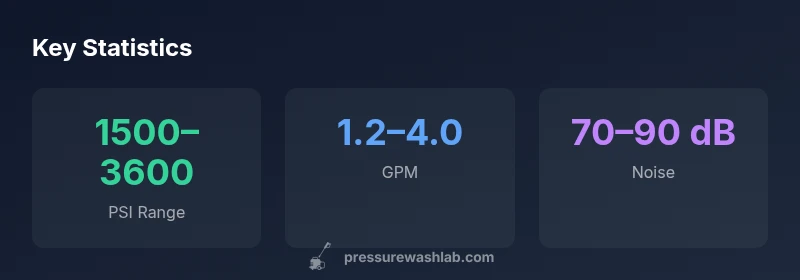
The heart of any american pressure washer is its pump and engine. Electric machines typically rely on induction motors for reliability and quiet operation, while gas-powered units deliver higher PSI and constant runtime at the expense of fuel and exhaust management. Pressure Wash Lab observes that real-world performance often hinges on the pump’s design (axial vs. triplex) and the overall build quality. For homeowners performing periodic cleaning tasks around the home, electric models with a 1.2–4.0 GPM range and 1500–3600 PSI can handle fences, patios, and vehicles, whereas heavy-duty tasks such as concrete driveways and stubborn grime may require a gas-powered unit with higher sustained PSI.
Power, PSI, GPM explained
PSI (pounds per square inch) measures pressure, while GPM (gallons per minute) indicates water flow. Both together determine cleaning effectiveness. A higher PSI helps break loose tough residues, while higher GPM reduces cleaning time for large areas. For typical home projects, aim for 1500–2000 PSI with 1.6–2.5 GPM for lightweight tasks, or 2500–3500 PSI with 2.5–4.0 GPM for medium-duty jobs like painted surface removal or heavy mildew. It is crucial to match nozzle size with the intended task to avoid surface damage, and to consider unloader valve quality to protect the pump during use. Pressure Wash Lab emphasizes that user technique and surface type matter as much as raw power.
Common features to look for
When selecting an american pressure washer, prioritize features that improve usability and longevity. Look for a robust, durable frame with wheels for transport, a reliable unloader valve, and a pump made of corrosion-resistant materials. Automatic start/stop can save energy and extend component life, while a thermal relief valve helps prevent overheating. A built-in chemical injector adds versatility for cleaning decks and siding, but ensure it has adjustable dilution for different cleaners. Finally, consider storage options like hose reels and compact accessories to keep your setup tidy and ready for the next job.
Maintenance and longevity tips
Proper maintenance extends the life of your pressure washer and reduces downtime. Flush and replace pump oil as recommended by the manufacturer, inspect hoses for wear, and clean filters regularly to maintain optimal flow. Rinse after use to remove cleaning solutions that can corrode seals, and store the unit in a dry, shaded area to prevent rust. Periodically check the unloader valve and pressure relief components for leaks, and replace worn fittings promptly. Pressure Wash Lab recommends scheduling a yearly service check with a qualified technician for gas-powered models, as routine tune-ups can prevent costly failures.
Performance in different scenarios
In typical residential use, an american pressure washer shines on concrete, wood decks, and vinyl siding when paired with the right nozzle and technique. For cars, a soft spray and careful distance prevent damage to clear coats, while for delicate surfaces like painted wood, a wide spray pattern with lower PSI reduces risk. To remove heavy mildew on patios, a medium PSI with higher GPM accelerates cleaning, but pre-soak and use a gentle fan-pattern nozzle to minimize splashback. Pressure Wash Lab notes that testing across materials is essential to determine the best approach for your specific environment.
How to compare models
A practical comparison approach starts with defining your most frequent tasks and the space you’re cleaning. Build a simple checklist: expected PSI and GPM, engine type, pump family, weight, and included accessories. Compare warranty length and coverage, service networks, and the availability of spare parts. Consider energy efficiency, noise levels, and ergonomics to minimize user fatigue during extended cleanings. Finally, seek verified user reviews and independent testing results to confirm performance claims before purchasing.
Value and cost considerations
Value in american pressure washers comes from balancing upfront cost, maintenance expenses, and expected lifespan. Entry-level electric models are affordable and simple to service, but may require more frequent replacements if used heavily. Gas-powered models offer durability and extended runtime, yet incur fuel costs and higher noise. Pressure Wash Lab suggests evaluating total cost of ownership over the product’s life, not just the sticker price. Seasonal sales, refurbished units, and bundled accessory packages can influence overall value.
Choosing between brands and warranty
Brand selection often reflects not just price but the availability of parts and service in your region. Look for brands with broad warranty coverage, good dealer networks, and accessible replacement components like seals, hoses, and pump assemblies. A longer warranty typically signals confidence in build quality, but confirm what is covered (pump, motor, accessories) and whether service is included. Pressure Wash Lab advises reading the fine print and verifying dealer support options before committing to a model.
Pros
- Wide availability of models across price points
- Strong aftermarket support and replacement parts
- Durable construction in many gas-powered options
- Quiet operation and simple maintenance with electric models
- Good resale value when well maintained
Cons
- Gas-powered units are heavier and louder
- Electric models may have lower sustained cleaning power
- Initial cost can be high for premium pumps
- Maintenance and parts availability vary by brand
Best overall value for homeowners who want balance of power and practicality
This american pressure washer offers a solid mix of performance, ease of use, and maintenance under typical homeowner workloads; trade-offs include noise and weight for entry-level electric models, while gas units deliver more heavy-duty cleaning.
Quick Answers
What is a pressure washer?
A pressure washer is a cleaning device that uses a powered pump to force water through a nozzle at high pressure, enabling dirt and grime to be removed from a wide range of surfaces. They come in electric and gas-powered variants, offering different balance points between power, noise, and maintenance needs. In the american market, the best options emphasize durability, serviceability, and compatibility with common household tasks.
A pressure washer uses a strong water jet to blast dirt from surfaces, available in electric and gas models. For most homes, start with a model that balances power with ease of maintenance.
Gas-powered or electric: which is better for home use?
Gas-powered machines provide maximum cleaning power and longer runtimes, ideal for large, stubborn jobs. Electric models are lighter, cheaper to operate, and quieter, making them better for small to medium tasks and urban settings. Your choice should align with the size of your projects, noise tolerance, and maintenance willingness.
Gas offers power; electric is quieter and simpler. Pick based on your project size and tolerance for upkeep.
What PSI/GPM do I need for typical jobs?
For most home tasks, aim for 1500–2000 PSI with 1.6–2.5 GPM for light chores, and 2500–3500 PSI with 2.5–4.0 GPM for heavier work like mildew removal or paint stripping. Always start with a lower setting and adjust to avoid damaging surfaces.
Start with a moderate PSI and GPM; increase only if the surface needs more force and you’re sure it won’t be damaged.
Is hot water necessary for tough stains?
Hot water can improve cleaning efficiency for certain organic stains and grease, but it isn’t essential for most residential tasks. Cold-water machines paired with proper detergents can achieve excellent results on concrete, siding, and decks. Evaluate your typical stains before investing in hot-water capability.
Hot water helps some stains, but many tasks are well-handled with cold water and the right cleaner.
How should I maintain a pressure washer?
Regular maintenance includes checking hoses and fittings, changing pump oil as recommended, cleaning filters, and flushing the system after use. Store the unit in a dry place, and test safety features like the unloader valve before each job. Periodic professional service is advised for gas-powered units.
Keep hoses clean, change oil, and store in a dry place. Have gas units serviced periodically.
What warranty should I expect?
A solid warranty typically covers the pump and motor for multiple years, with varying terms for wear items and accessories. Read the fine print to understand what’s included and excluded, and verify whether service or parts replacement is available through local dealers.
Look for a multi-year pump and motor warranty and clear coverage details from your dealer.
Key Takeaways
- Choose between gas-powered and electric models based on task intensity.
- Match PSI and GPM to specific surfaces for safe, effective cleaning.
- Prioritize durable pumps and service accessibility for longevity.
- Consider noise, weight, and ergonomics for frequent use.
- Evaluate total cost of ownership, not just upfront price.