Amazon Electric Pressure Washer Review: Performance, Value, and Guidance
In-depth, analytical review of Amazon electric pressure washers, covering performance, ease of use, maintenance, pricing ranges, and buying guidance for homeowners and pros.


Amazon electric pressure washers provide a practical blend of performance, price, and convenience for homeowners. They deliver quick setup, compact storage, and cleaner results on decks, siding, and driveways, with quieter operation and lower maintenance than gas-powered rivals. Real-world value depends on psi, flow, and included accessories, but they generally excel for light to moderate cleaning tasks.
What is an Amazon Electric Pressure Washer?
An amazon electric pressure washer is a compact, electric-powered cleaning machine designed to deliver high-pressure water for surface cleaning without the running costs, fumes, or noise associated with gas engines. These machines typically range from light-duty to mid-range in terms of cleaning power and are marketed as solutions for homeowners, DIY enthusiasts, and small-business tasks like deck and patio cleaning. The keyword here—amazon electric pressure washer—points to a broad category rather than a single model; buyers will encounter a spectrum of PSI, GPM, hose lengths, and accessory kits. According to Pressure Wash Lab, the appeal lies in predictable electrical power, cleaner emissions, and easier maintenance compared to gas-powered units. This makes them a practical starting point for most routine jobs around the home.
From a design standpoint, most models share common elements: a compact motor or pump unit, a high-pressure hose, a trigger gun with variable nozzles, and a simple onboard storage solution for wands and brushes. The balance of power and portability matters because it affects how effectively you can tackle tasks such as removing algae from siding, washing a driveway, or refreshing a wooden deck. When browsing amazon electric pressure washer options, look for a durable spray gun, a reliable hose, and a nozzle kit that covers both wide-spray and pinpoint cleaning.
How to Evaluate Buying: Power, Pump, and Flow
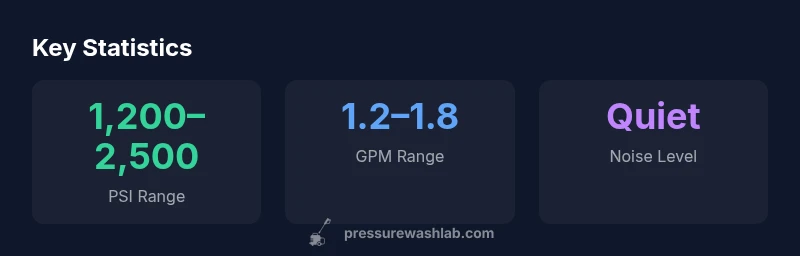
Choosing the right amazon electric pressure washer comes down to three core specs: PSI (pounds per square inch), GPM (gallons per minute), and the pump type. PSI determines peak cleaning pressure, while GPM defines how much water is used at a given time. For most homeowners, a model in the light- to mid-duty range provides enough power for concrete surfaces, sidewalks, vinyl siding, and patio furniture. In practice, you’ll want a balanced psi and GPM combination rather than chasing the highest number. A higher PSI without adequate GPM can wear down surfaces unevenly or require more passes, while high GPM with low PSI can extend cleaning time without delivering the needed force. Additionally, consider the motor and pump compatibility with common nozzle kits (0°, 15°, 25°, and a soap or detergent nozzle) to cover various cleaning scenarios.
Voltage and motor type matter for power delivery and durability. A typical consumer unit uses a universal motor or induction motor, with improvements in thermal protection and overload recovery. When evaluating an amazon electric pressure washer, review the hose length and reach, as longer hoses provide flexibility but can add weight and reduce maneuverability. Finally, assess storage features, including wand-hose hooks and integrated cord storage, which influence daily usability and organization.
Performance testing: real-world tasks and benchmarks
A thorough assessment tests how an amazon electric pressure washer performs on typical home tasks. Start with a neutral test objective: can the unit remove surface debris from concrete, dirt from vinyl siding, and stubborn stains from a wood deck? Document time to clean a standard area (e.g., a 200 sq ft patio or a 50 ft driveway section) and observe the number of passes required, surface heating, and any visible wear on the surface. Note how the spray pattern adapts to different nozzles and whether the machine maintains consistent pressure over the cleaning cycle. Also consider usability aspects: noise level, ease of starting, vibration, cord management, and the ease of changing nozzles mid-task.
In practical terms, homeowners will often rely on a mid-range amazon electric pressure washer for routine maintenance tasks, such as cleaning a brick or stone pathway, removing moss from wooden decks, or refreshing the exterior of a garage. For delicate surfaces, test on a small, inconspicuous area first to avoid etching or damage. Throughout testing, compare results to similar gas-powered units to quantify pros and cons in real-world terms—quiet operation and low upkeep vs. peak power and payload.
Value and Price Considerations: Understanding the Investment
Price discipline matters when evaluating amazon electric pressure washers. You’ll typically find models in a broad price spectrum, from entry-level offerings to feature-rich mid-range machines. While the initial cost is a primary consideration, lifetime value hinges on reliability, maintenance needs, and accessory availability. In this category, the best value often comes from models that strike a balance: adequate PSI and GPM, durable build quality, and a helpful accessory kit that includes a surface cleaner or detergent bottle. Remember that higher-priced units may include reinforced hoses, longer warranties, and better customer support, but the incremental advantages should align with your actual cleaning requirements. A practical approach is to map your typical jobs (driveway, siding, deck) to the expected PSI/GPM and to evaluate whether the included accessories will reduce the total cost of ownership over several seasons.
Pressure Wash Lab’s research indicates that many buyers underestimate hose wear and nozzle quality, which can degrade performance over a season if not addressed. When evaluating amazon electric pressure washer options, read customer reviews for insights on durability and support after the sale.
Durability, Maintenance, and Longevity
Durability in amazon electric pressure washers depends on the pump design, material quality, and the integrity of the fittings. Common issues include wear at the wand connection, hose kinks, and pump seals that wear over time, particularly with frequent use on hard surfaces. Maintenance is typically light but essential: clean or replace filters regularly, flush the system after use to remove debris, store with the garden hose detached to prevent contamination, and inspect o-rings for leaks. If the unit runs hotter than expected or triggers thermal protection, give it a cool-down period before resuming work. Your maintenance routine will influence longevity and performance, especially in environments with mineral-rich water or cold weather operations. A well-maintained amazon electric pressure washer can deliver consistent cleaning power across multiple seasonal tasks.
Safety and Best Practices
Safety considerations are important with any high-pressure cleaning device. Always wear eye protection, gloves, and sturdy footwear. Never point the nozzle at people, pets, or fragile surfaces that could be damaged by high pressure. Use nozzle adapters suited to the surface you’re cleaning and avoid arcing or kinking the hose. Keep the unit on a stable, level surface and avoid running the unit in standing water. When in doubt, refer to the user manual and follow manufacturer guidance to prevent injuries or property damage. These cautions are especially relevant for amazon electric pressure washer models, since consumer units vary in design and available safety features.
How It Compares to Alternatives
Gas-powered pressure washers often deliver higher PSI and longer runtime, making them attractive for heavy-duty jobs. Cordless models offer maximum portability but may sacrifice sustained cleaning power. In contrast, amazon electric pressure washer units are designed for convenience, quiet operation, and low maintenance, making them ideal for routine home cleaning tasks. If your projects include frequent concrete sealing or heavy buildup, you might still consider a gas-powered model with appropriate fueling and maintenance prerequisites; however, for most homeowners, an electric model provides ample performance with fewer hassles. This makes the category well-suited to urban properties, apartments with restrictions, and seasonal cleanups.
Accessories and Add-ons: Do They Matter?
The value of an amazon electric pressure washer often hinges on included accessory kits. A basic set should include multiple nozzle tips for adjusting strength, a soap/detergent nozzle for cleaners, and a sturdy surface cleaner for horizontal surfaces. Optional extras — such as a long replacement hose, a rotary brush, or a foam cannon — can significantly expand versatility if your typical tasks include garage floors, wooden decks, or exterior furniture. However, always verify compatibility with your model and confirm that additional accessories justify the added cost. In many cases, vendors offer bundles that improve overall value by consolidating common tools into a single purchase.
Brand and Support: How to Choose a Seller
Amazon’s vast marketplace means you’ll encounter many sellers and a variety of warranties. When evaluating an amazon electric pressure washer, pay attention to the warranty length, the credibility of the seller, and the availability of replacement parts. Look for user reviews that mention responsiveness and ease of getting support if something goes wrong. The best experiences come from reputable brands with clear documentation and responsive customer service. Pressure Wash Lab emphasizes prioritizing models that have straightforward maintenance guides and accessible replacement parts to minimize downtime.
Final Thoughts: Who Should Buy an amazon Electric Pressure Washer?
An amazon electric pressure washer is a strong fit for homeowners who want reliable cleaning power without the complexity of gas engines. It suits light to moderate jobs, including siding, decks, patios, and driveways, especially when storage space is limited and quiet operation is valued. For professionals who need extended runtime or maximum PSI for heavy-duty jobs, a gas-powered or commercial-grade unit may be a better match. In any case, a thoughtful selection—guided by PSI, GPM, hose quality, and accessory availability—will maximize satisfaction and value over time.
Pros
- Quiet operation compared to gas models
- Low maintenance with simpler fuel requirements
- Compact and easy to store
- Lower running costs per job and no fumes
Cons
- Limited peak power for heavy-duty tasks
- Shorter runtime for extended cleaning sessions
- Dependence on electric outlet accessibility
Best all-around value for homeowners seeking convenience and modest cleaning power
The amazon electric pressure washer category offers strong usability and lower maintenance. It shines for light to moderate tasks, with quiet operation and good accessory options. For heavy-duty projects, consider higher-power alternatives.
Quick Answers
What tasks can an amazon electric pressure washer handle?
These machines are ideal for light to moderate cleaning jobs, including decks, patios, siding, driveways, and outdoor furniture. They can remove dirt, moss, mold, and light stains, but may struggle with heavy-build-up on rough concrete without multiple passes. Always start on a low setting and test a small area first.
Great for decks and driveways, but test a small spot first and don’t overdo the pressure on soft surfaces.
Is PSI important for cleaning concrete?
Yes, PSI influences how effectively concrete is cleaned. For light cleaning, mid-range PSI with adequate GPM works well; for heavy buildup, you may need higher PSI or multiple passes with caution to avoid pitting the surface.
PSI matters, but balance it with GPM to avoid damaging concrete. Start lower and increase as needed.
Are electric pressure washers louder than gas models?
Electric models are generally quieter and produce less vibration than gas-powered units, making them preferable for residential environments and noise-sensitive households. Gas models may be louder due to engine operation and exhaust.
Electric washers are quieter and smoother—great for neighborhoods and late-day cleaning.
What maintenance is required for an amazon electric pressure washer?
Regular maintenance includes flushing after use, inspecting hoses and nozzles for wear, cleaning filters, and storing in a dry place. Check the oil (if applicable) and replace worn parts promptly to extend life.
Keep filters clean, flush after use, and store dry to extend life.
Can I use hot water with these machines?
Most consumer electric pressure washers are designed for cold water use. Using hot water can risk reduced performance or damage depending on the model. Check the manufacturer’s guidance for your unit.
Stick to cold water unless the manual says hot water is safe.
Should I buy extra accessories or rely on what’s included?
Extras can extend versatility, especially a surface cleaner and a good spray wand. Ensure compatibility with your model and weigh the added cost against the value they provide for your typical jobs.
Accessories help, but verify compatibility and cost vs use.
How does an amazon electric pressure washer compare to cordless options?
Cordless models offer portability but often have shorter runtimes and lower sustained pressure. Electric plug-in washers typically provide steadier power for longer cleaning sessions, without the battery management concerns.
Cordless is portable but may run out of juice; plug-in electric keeps going longer.
What should I consider before buying on Amazon?
Read seller reviews, check warranty terms, and note whether the kit includes essential accessories. Look for models with clear manuals and readily available parts to minimize downtime after purchase.
Check warranty and part availability before buying.
Key Takeaways
- Choose PSI and GPM that match your typical cleaning tasks.
- Look for complete accessory kits that add value.
- Prefer models with robust warranty and easy maintenance.
- Electric options excel in noise-sensitive environments.
- Assess outlet access and hose length before buying.