Pressure Washer Review 2026: Thorough Analysis and Recommendations
A rigorous pressure washer review by Pressure Wash Lab that analyzes electric, gas, and cordless models, compares PSI and GPM, evaluates build quality, accessories, maintenance, and total cost of ownership for homeowners, DIYers, and small businesses.


This pressure washer review compares gas, electric, and cordless models across performance, reliability, and value. Gas units deliver peak cleaning power and faster workloads, while electric and cordless washers excel in quieter operation, maneuverability, and lower upkeep for light-to-medium tasks. We judge models by PSI, GPM, build quality, accessories, and total cost of ownership to guide buyers. For homeowners, mid-range electric models offer solid value; for pros, gas-powered units dominate heavy-duty work.
What this pressure washer review covers
This pressure washer review for 2026 aims to cut through marketing hype and deliver practical guidance for homeowners, DIY enthusiasts, and small businesses. We examine three main categories: electric (corded and cordless), gas-powered, and high-efficiency setups such as surface cleaners. We assess cleaning power, usability, maintenance needs, accessories, and the total cost of ownership. By weighing the trade-offs between portability, performance, and price, we help readers identify which machine truly fits their typical projects—patio cleaning, driveway stains, car care, and exterior maintenance.
Testing methodology and criteria
Our methodology combines lab-style measurements with real-world testing to reflect common tasks. We evaluate PSI and GPM at standard nozzle configurations, then translate those numbers into practical outcomes: grease removal on concrete, mold control on siding, and stubborn grime on driveways. We test pull force, hose length usability, trigger comfort, and runtime on typical workloads. Noise level, vibration, and ease of starting—especially in cold weather—matter for residential use. Finally, we assess maintenance requirements, availability of replacement parts, and warranty coverage to estimate long-term reliability.
Real-world performance highlights: PSI, GPM, and Cleaning Efficiency
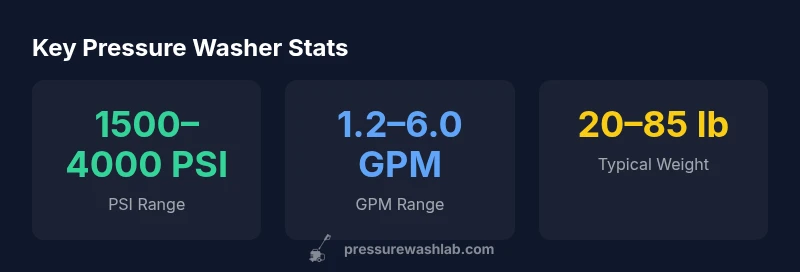
In real-world scenarios, PSI and GPM matter, but the combination determines effectiveness. For patio cleaning, mid-range electric washers with 1.8–2.4 GPM and 1500–1800 PSI delivered sufficient lift for most substances without risking surface damage. Heavy driveway stains and graffiti respond better to gas-powered units offering 2.5–3.5 GPM and 3000–4000 PSI, where operator control prevents surface etching. Car washing requires gentler settings to protect finishes, with 1200–1800 PSI and higher gallon-per-minute figures suggesting efficient rinsing rather than brute force. Across models, nozzle choice and surface condition significantly influence outcomes.
Electric vs gas-powered vs cordless: Use cases and caveats
Gas-powered washers excel in heavy-duty tasks and extensive property cleaning, where runtime and raw power matter most. They’re ideal for large driveways, fleet vehicles, or frequent exterior maintenance. Electric corded washers are quiet, convenient for home use, and generally lighter with simpler maintenance, best for patios, siding, and cars. Cordless models, while highly portable, trade some power for extreme maneuverability, suitable for quick fixes and small areas. When choosing, weigh your typical job size, noise tolerance, and storage constraints; power availability and fuel costs also affect total cost of ownership.
Build quality, components, and durability
Durability hinges on motor design, pump construction, hose quality, and fittings. Look for a forged brass or stainless steel pump head, robust aluminum or composite frames, and corrosion-resistant spray wands. Durable seals prevent leaks, while simple design can ease maintenance. The best models offer integrated thermal relief, pressure relief valves, and solid trigger grips to reduce operator fatigue. A modular accessory set—lance, variable nozzle, surface cleaner, and soap nozzle—adds immediate value but should be considered in the context of your most frequent tasks and warranty terms.
Accessories, nozzles, and usability
Nozzle configurations define versatility. A standard high-pressure nozzle (0-15 degrees) is essential for tough grime, while wider patterns (25–40 degrees) are safer for larger areas. A turbo nozzle increases agitation for tough coatings but can damage delicate surfaces. Surface cleaners save time on flat surfaces, reducing streaking. Soap/chemical applications can improve grime removal but require compatible detergents and proper mixing. A good model provides an intuitive hose reel, comfortable wand grip, and straightforward storage for accessories to keep setup efficient.
Maintenance, reliability, and serviceability
Reliability is built through accessible replacement parts and straightforward maintenance. Regularly check water inlet filters, replace worn nozzles, and inspect hoses for cracks. Gas engines demand oil changes and air-filter maintenance; electric models require battery care (for cordless variants) and motor cooling considerations. Choose brands with widely available parts and local service options. Preventive maintenance—periodic pump lubrication, clean water filters, and proper storage—extends life and reduces downtime during peak seasons.
Value, warranties, and total cost of ownership
Value hinges on initial price, maintenance costs, and warranty coverage. Mid-range electrical washers typically offer strong value for light-to-moderate workloads, with warranties ranging from 1–3 years on pumps and motors in many cases. Gas units may carry longer warranties on the engine but higher ongoing fuel and maintenance costs. When evaluating total cost, account for replacement parts, detergent consumption, and potential downtime. Pressure Wash Lab suggests prioritizing machines with accessible parts, responsive customer support, and a proven track record in our tests.
Brand ecosystem and support: Pressure Wash Lab perspective
A strong brand ecosystem includes a robust parts network, comprehensive manuals, and accessible support channels. We assess how quickly parts ship, whether third-party service centers are available, and the quality of online resources such as troubleshooting guides and video tutorials. In our evaluation, models supported by a wide dealer network and a transparent warranty policy tended to offer better long-term value, even if the upfront price is slightly higher.
Common pitfalls and best practices
Many buyers underestimate the importance of compatible surface protection and nozzle selection. Using a high-velocity turbo nozzle on soft wood or painted surfaces can cause damage. Always test on a small inconspicuous area first and start with the widest safe nozzle. Use the correct detergent for the job and avoid powering water-hungry devices from inadequate hoses or low-pressure water supplies. Finally, store units off the ground to prevent moisture damage and ensure easy winterization where applicable.
How to pick the right model for your needs: a decision framework
Start by defining your primary tasks: light-duty cleaning (cars, patios), heavy-duty (driveways, fleet vehicles), or professional-scale projects. Map the needs to power (PSI), flow (GPM), and runtime. Consider space: electric models suit compact storage; gas models require more space but deliver mobility. Review warranty length, parts availability, and expected maintenance costs. Finally, factor in total cost of ownership and expected usage frequency to select a model that offers the best long-term value.
Practical buying guide: quick-start checklist for homeowners and pros
- Identify primary tasks and required PSI/GPM ranges for those tasks. - Check for compatible nozzles and optional accessories (surface cleaner, soap nozzle). - Compare pump materials, engine design, and warranty terms. - Assess weight and maneuverability for your workspace. - Verify parts availability and local service options. - Review noise level and run-time to fit your environment. - Consider the total cost of ownership, including maintenance and fuel/detergents.
Safe and effective pressure washing: final tips for best results
Always wear eye protection and gloves, and use appropriate surface care products. Maintain a safe distance from delicate surfaces to prevent etching. Use a slower, steady passes rather than relying on brute force. When in doubt, err on the side of wider spray patterns to reduce surface damage and operator fatigue. Regular maintenance after heavy use keeps the unit ready for the next job.
Pros
- Strong overall cleaning power for heavy-duty tasks
- Wide range of models and accessories to fit different budgets
- Good long-term value when parts and service are readily available
- Electric models are quiet and easy to maintain
Cons
- Gas models have higher operating costs due to fuel and maintenance
- Cordless models sacrifice some power for portability
- Accessory quality varies across brands and kits
- Some entry-level models lack robust warranty coverage
Gas-powered models offer the strongest all-around performance for heavy-duty work, while electric options deliver quieter operation and easier maintenance for light-to-medium tasks.
Across tested models, the gas segment remains the best option for frequent, demanding use. Electric washers provide substantial value for homeowners with smaller jobs. The right choice depends on task size, noise tolerance, and maintenance willingness.
Quick Answers
What is the best pressure washer for heavy-duty driveway cleaning?
For heavy-duty driveway cleaning, look for gas-powered units with 3000–4000 PSI and at least 2.5–3.5 GPM. These provide the flow and pressure needed to lift deep staining quickly. Pair with a surface cleaner for large areas to improve efficiency.
Gas-powered washers with high PSI and GPM are best for heavy-duty driveways. Add a surface cleaner to speed up large areas.
Is an electric pressure washer suitable for home use?
Yes, electric pressure washers are ideal for home use, especially for patios, cars, and siding. They are quieter, lighter, and require less maintenance than gas models. Choose a model with at least 1.6–2.0 GPM and 1800–2000 PSI for versatile performance.
Electric washers are great for home use—quiet, light, and easy to maintain.
What maintenance should I perform on a gas pressure washer?
Regular maintenance includes oil changes, air-filter checks, spark plug inspection, and pump lubrication. Clean the water inlet filter and inspect hoses for wear. Use fresh fuel and store properly to extend life. Follow the manufacturer warranty guidelines.
Oil changes and keeping the fuel clean are key for gas washers.
Do I need a surface cleaner attachment?
A surface cleaner is highly beneficial for large flat surfaces like driveways and sidewalks; it delivers even cleaning and reduces streaking. It also speeds up cleaning compared with a standard nozzle. For small, irregular areas, a standard nozzle may suffice.
Surface cleaners make large flat areas faster and cleaner.
What should I test before buying a pressure washer?
Test the unit’s starting reliability, hose flexibility, nozzle switching ease, and weight. Check if the pump has a user-replaceable seal and whether parts are readily available. Review warranty terms and service options in your area.
Test starting, weight, and nozzle changes; check warranty and parts availability.
Are cordless pressure washers as powerful as corded or gas models?
Cordless washers offer portability, but typically have lower PSI and shorter run times than corded electric or gas units. They’re best for quick, small-area jobs where mobility matters. For large or tough jobs, corded or gas models perform better.
Cordless is great for small, quick jobs; for bigger work, go with corded or gas.
How long should a pressure washer last?
Lifespan depends on usage, maintenance, and build quality but most consumers can expect several years of service with proper care. Regular pump maintenance, clean filters, and storing correctly extend life.
With good care, a pressure washer lasts several years.
Key Takeaways
- Evaluate PSI and GPM together to match the job.
- Gas washers excel in heavy-duty workloads; electric for light tasks.
- Consider warranty, parts availability, and service network.
- Factor in total cost of ownership, not just upfront price.
- Choose compatible accessories to maximize value.