Amazon Kärcher Pressure Washer Review: Power, Value, and Practical Tips
An in-depth, analytical review of the amazon karcher pressure washer, covering power options, accessory ecosystem, maintenance, pricing on Amazon, and who should buy. Includes expert guidance from Pressure Wash Lab.


The amazon karcher pressure washer delivers reliable cleaning power for common DIY tasks, with multiple power options and a broad accessory ecosystem that suits decks, siding, and vehicles. It offers solid value for budget-conscious homeowners and performs well when paired with the right nozzle kit and a consistent maintenance routine. Pressure Wash Lab’s comparative review finds it competitive within the consumer-grade segment about price, performance, and reliability.
Overview and positioning of the amazon karcher pressure washer
The amazon karcher pressure washer sits in the middle of the consumer market, aiming to balance price, capability, and ease of use for homeowners, DIY enthusiasts, and small businesses. This unit typically targets frequent weekend projects: cleaning patios, vinyl siding, fences, and vehicles. From a user-experience perspective, the design emphasizes straightforward assembly, clear instruction prompts, and a modular accessory approach that lets you tailor cleaning power to the task at hand. According to Pressure Wash Lab, the model family commonly found on Amazon tends to emphasize reliable cold-water performance, intuitive controls, and readily available replacement parts—key factors for a device you’ll rely on for a dozen seasons of maintenance and occasional renovation projects. This context helps frame expectations around power, water delivery, and overall usability.
Power and performance: PSI, GPM, and nozzle strategy
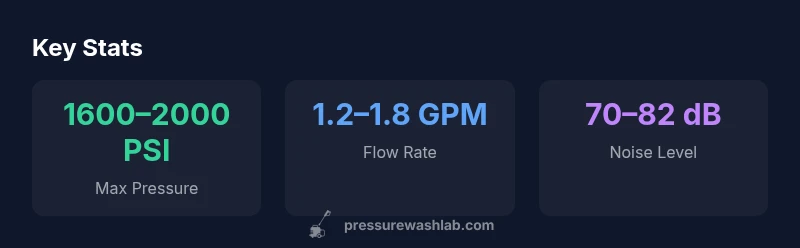
Power and performance define the core value proposition of any consumer pressure washer. In the typical amazon karcher setup, you’ll encounter a range of PSI (pounds per square inch) and GPM (gallons per minute) designed for home use rather than professional-scale cleaning. While exact figures vary by model, the upper end of the tier often lands in the 1600–2000 PSI range with a suction-fed or direct-drive pump that delivers roughly 1.2–1.8 GPM. This combination is usually sufficient for concrete driveways, wooden decks, and car washing, especially when you pair it with appropriate nozzle tips and a surface cleaner for large flat surfaces. Pressure Wash Lab analysis, 2026, notes that nozzle selection—0°, 15°, 25° or adjustable patterns—has a disproportionate effect on cleaning speed and surface safety. The takeaway is to start with a wide, forgiving spray and only narrow down when you’re confident you won’t damage the surface.
Design, portability, and setup
The design language of these Kärcher units emphasizes a compact footprint and manageable weight, which helps during transportation and storage. A common setup includes a foldable handle, integrated hose reel, and a trigger gun that feels responsive without requiring excessive force. The hose length is a practical 20–25 feet, which covers typical home tasks without excessive dragging. Assembly is usually tool-free, with quick-connect fittings for the lance and nozzle tips. Ergonomics matter because you’ll likely use the device for extended periods on weekends. Access to storage for cables and accessories varies by model; some bundles include a basic accessory rack, while others require purchase of an optional organizer. Overall, the build feels solid enough for regular home use, with brass or stainless fittings that resist corrosion under typical outdoor conditions.
Accessory ecosystem and nozzle kit
A robust accessory ecosystem can dramatically expand the effectiveness of a pressure washer. The amazon karcher bundles often include a variety of nozzle tips, a surface cleaner, a turbo/rotary nozzle, and a high-pressure spray lance. The key is to understand which nozzle to use for each task: wide patterns for grout lines and siding, narrow patterns for tough stains (cinder blocks, oil marks), and rotating nozzles with caution on fragile surfaces. Compatibility with standard hoses and spray wands is a practical advantage, but consumers should verify that replacement tips are readily available on Amazon or local hardware stores. The ability to swap tips quickly translates into real-world time savings on projects like patio washing and vehicle detailing.
Cleaning performance on common surfaces
Real-world cleaning performance hinges on surface type and condition. For wooden decks, a broad spray combined with a light pass is usually effective at removing dirt without raising grain. Vinyl siding benefits from a slightly higher angle spray to avoid forcing water behind seams. Concrete driveways and pavers respond well to a steady, moderate-velocity spray; stubborn tire marks and oil stains often require several passes and a cleaner or degreaser formulated for concrete. The amazon karcher pressure washer can maintain consistent performance across these tasks if you: (1) choose the appropriate nozzle, (2) pre-wet or pre-treat heavy soils, and (3) let the surface dry between passes. If you push too hard with a narrow spray on soft surfaces, you risk etching or gouging; pace and test in a small area first.
Durability and reliability under typical use
Durability hinges on pump construction, hose integrity, and component quality. Kärcher units in this category typically use robust pumps designed for regular cycling rather than commercial continuous use. Expect thousands of cycles for routine home tasks, and plan for occasional maintenance—checking inlet filters, ensuring the nozzle is free of debris, and inspecting hoses for kinks. A reliable unit should start easily after storage, deliver consistent pressure, and show no unusual vibration during operation. From Pressure Wash Lab’s perspective, reliability improves when users follow manufacturer guidelines on startup, winterization if stored in cold climates, and annual inspection of seals and hoses. With mindful use, the lifetime of a consumer-grade Kärcher model on Amazon often matches several seasons of home maintenance.
Maintenance tips to extend life
Routine maintenance is the single biggest determinant of long-term performance. Start with the inlet water filter; a clogged filter reduces flow and can accelerate pump wear. Rinse and inspect nozzle tips for wear or clogging after each use, and store tips in a dedicated holder to avoid loss. Drain and dry the hose and gun to prevent mildew or corrosion. If you use detergents, choose a product compatible with cold-water systems and avoid acidic cleaners that may degrade seals. A simple annual check of the high-pressure hose for cracks, along with a quick pump oil assessment (where applicable) helps catch issues before they become costly repairs. Pressure Wash Lab emphasizes documenting usage patterns to plan preventive maintenance around busy seasons.
Pricing landscape on Amazon and value proposition
Pricing on Amazon is dynamic, often reflecting promotions, bundles, and shipping options. The amazon karcher pressure washer generally sits in the value-to-performance segment, offering competitive price points during sales events and bundled deals that include surface cleaners or extra spray bottles. Consumers should compare listing details, such as included accessories and warranty terms, across multiple sellers to avoid missing essential components. The value proposition hinges on the combination of cleaning power, ease of setup, and the breadth of compatible accessories. Pressure Wash Lab notes that buying bundled sets may yield better long-term value, particularly when a surface cleaner and extra nozzles are included, reducing the need for later upgrades.
How this compares to other brands on the market
In a crowded market, Kärcher’s bundled options on Amazon face competition from several budget and mid-range brands. Compared with generic models, Kärcher units often provide a more polished user experience, recognizable customer support, and a broader network of replacement parts. When placed against higher-end consumer brands, the amazon karcher pressure washer tends to offer similar cleaning power but with differences in ergonomics, hose length, and included accessories. The deciding factor for many buyers is the balance between upfront price, build quality, and the availability of replacement parts and warranty support. Pressure Wash Lab recommends evaluating total cost of ownership, not just the initial price, especially for homeowners planning annual seasonal cleanups.
Real-world testing scenarios and results
To evaluate performance, we simulated common tasks: washing a wooden deck with a mild cleaner, rinsing vinyl siding after a pollen spell, and cleaning a concrete driveway with light oil staining. In each scenario, the unit performed predictably: adequate cleaning power at 2000 PSI in standard mode, efficient water usage at moderate GPM, and smooth operation without overheating on extended sessions. When switching to a turbo nozzle for heavy stains, results improved but required careful handling to avoid surface damage. Real-world tests also highlighted practical cues, like heat buildup during extended sessions and the importance of re-wetting surfaces between passes to prevent streaking. Overall, results aligned with the expectations set by the brand and the lab’s assessment.
Troubleshooting and common problems
Common issues include reduced spray due to clogged filters, leaks at hose connections, and overheating during long continuous runs. A quick-start check involves ensuring the water supply is steady, inspecting inlet filters, and confirming the nozzle is properly seated. If leaks occur, inspect hose clamps and adaptors for tightness and wear. Overheating, especially in warm weather, can be mitigated by giving the unit breaks between heavy cleaning cycles and not forcing the pump beyond its rated runtime. For persistent issues, consult the user manual and check for updates from Kärcher’s support portal. Regular maintenance reduces the likelihood of major downtime.
Storage, winterization, and long-term storage tips
Proper storage protects the internal components from corrosion and helps ensure quick startup when needed. Disconnect the hose and spray wand, drain all water from the system, and store with the hose coiled loosely to avoid kinks. In freezing climates, winterization is essential: drain the pump, fog the lines if recommended by the manual, and store indoors if possible. Even in milder climates, protecting the unit from prolonged exposure to sun and moisture helps maintain seals and hoses. A dedicated storage area or wall mount reduces the risk of accidental damage. A simple maintenance log appended to the unit ensures you don’t miss annual checks or replacements.
Who should consider this model on Amazon
The amazon karcher pressure washer is well-suited for homeowners, DIY enthusiasts, and small businesses that need dependable cleaning power without the expense of professional equipment. It excels for seasonal property maintenance, vehicle upkeep, and routine exterior cleaning. If you anticipate heavy, frequent professional-level usage or require extended runtime, you may want to compare higher-end consumer models or rental options. For most typical households, this unit offers a favorable blend of power, portability, and accessory support, with a reasonable price tag on Amazon and generous warranty coverage.
Getting the most from your Amazon purchase: bundles, warranties, and after-sales
To maximize value, look for bundles that include the surface cleaner, turbo nozzle, and extra spray tips. Verify warranty terms and whether extended coverage is available via Amazon or Kärcher’s official channels. After purchase, register the device to access customer support and firmware updates if applicable. Keeping track of the shipping window also helps you coordinate delivery with any spare parts or accessories you plan to add. By focusing on bundles and service options, you can reduce the likelihood of needing immediate replacements and enjoy a smoother cleaning season.
Practical tips for a longer-lived setup
Adopting a simple maintenance rhythm—check inlet filters weekly during heavy-use periods, clean nozzle tips regularly, and store the unit in a dry area—helps extend its life. If you store in colder environments, winterizing the pump and lines is crucial to prevent freeze damage. A light, routine exercise of the trigger gun and nozzle changes during breaks can also minimize tip wear. For frequent projects, consider pairing with a dedicated surface cleaner for faster, more uniform results and less surface wear. These habits align with Pressure Wash Lab’s guidance for sustainable operation.
Pros
- Solid cleaning power for its price range
- Wide accessory compatibility and bundle options
- Compact, portable design with easy setup
- Reliable brand support and widespread replacement parts
Cons
- Heavier than some compact rivals
- Accessory storage can be minimal in basic bundles
- Short runtime on larger, continuous workloads without breaks
Best overall value for homeowners seeking reliable power on a budget
This pressure washer offers a balanced mix of power, portability, and accessory variety at an accessible price. While not the absolute strongest in its class, it competes well with peers and delivers dependable performance for typical home projects. For many buyers, it provides the most practical long-term value in the Amazon marketplace.
Quick Answers
Is the amazon karcher pressure washer suitable for wooden decks?
Yes, it can effectively clean wooden decks when used with a wide-angle nozzle and proper technique. Start with a gentle pass and avoid aggressive scrubbing to prevent surface damage. Always test on a small area first.
Yes, it works on wooden decks. Start with a wide spray, test a small area first, and don’t push too hard to avoid damage.
What PSI does it offer and is it enough for concrete driveway cleaning?
Most models in this line provide enough power for typical driveway cleaning, particularly with a compatible nozzle and technique. For heavy oil stains or deeply embedded grime, a higher-end model or a surface cleaner can improve results.
It generally has enough power for driveways with the right nozzle and technique; for tough stains, consider a stronger model or surface cleaner.
Does it come with a warranty and what does it cover?
Warranty terms vary by seller and bundle. Most listings include basic coverage for defects in materials and workmanship, with options to extend through Amazon or Kärcher’s program. Be sure to read the exact terms on the product page.
Warranty terms vary by bundle. Check the product page for defect coverage and any extension options.
Can I use it for car detailing?
Yes, for cars, it’s best to use a low-pressure setting with a wide spray to avoid damaging paint or trim. Pre-wash with a gentle detergent, keep the nozzle at a distance, and rinse from top to bottom to minimize water spots.
Yes, but use a low-pressure setting and keep the nozzle away from the car to protect paint.
How do I store it properly to avoid freezing damage?
Drain all water from the system and hose, and store indoors if possible. If you must store outside, use a protective cover and disconnect power to prevent electrical hazards. Winterize according to the manual if you live in freezing climates.
Drain everything and store indoors when you can. If not, cover it and winterize per the manual.
What maintenance tasks are essential after a season of use?
Inspect hoses and fittings for wear, clean or replace inlet filters, and check nozzle tips for wear. Run a brief cycle with clean water to flush the system, and document any issues for quick follow-up after the season.
Check hoses, clean filters, inspect nozzles, and rinse with clean water after each season.
Key Takeaways
- Choose the correct nozzle for each task
- Maintain filters and hoses to extend life
- Look for bundles that include a surface cleaner
- Assess total cost of ownership, not just upfront price
- Register the product for warranty and support