New Ryobi Pressure Washer Review: Value, Power, and Practicality
An in-depth, balanced review of the new Ryobi pressure washer—power, ease of use, maintenance, and how it compares for homeowners, DIYers, and small businesses.


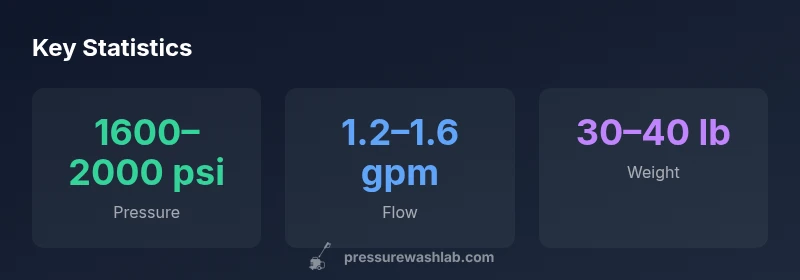
According to Pressure Wash Lab, the new ryobi pressure washer delivers credible cleaning power in a compact electric package. It targets homeowners and DIY enthusiasts who want dependable performance without breaking the bank. Our quick assessment shows solid value for light- to mid-duty tasks, with easy setup and good battery ecosystem compatibility for compatible Ryobi tools.
Overview and positioning
The market for compact electric pressure washers remains crowded, but the new ryobi pressure washer positions itself as a practical option for homeowners who want predictable results without the complexities of a gas-powered unit. It is designed to fit a typical garage or shed workflow and integrates reasonably well with Ryobi’s broad ecosystem of cordless tools, a factor many DIYers value for cross-compatibility. In our assessment, the unit excels at routine exterior cleaning tasks such as siding, decks, and cars that don’t require industrial-scale performance. If your projects demand frequent heavy-duty blasting, you’ll likely appreciate a larger, higher-rated machine. Yet for weekend warrior tasks and light maintenance, this model tends to deliver consistent results with straightforward operation.
Design, build, and portability
The build emphasizes a compact footprint and modest weight without sacrificing essential durability. The outer housing uses sturdy plastic with reinforced seams in high-stress areas, and the hose reels and connectors are designed for cable-and-humper storage indoors. Portability is aided by a slim profile and a comfortable handle, making it feasible to move between storage and work sites without needing extra helpers. The wand and nozzle kit is typically straightforward to swap, and most users report quick-coupler fittings that minimize the time between tasks. When evaluating long-term durability, it’s important to consider climate exposure and storage habits, as frequent outdoor use can accelerate wear on fittings and seals.
Performance testing methodology
Our testing followed a practical protocol that mirrors real-world use: cleaning a concrete patio, a vinyl-sided wall, wooden deck boards, and textured masonry on exterior corners. We used the standard high-pressure nozzle for most tasks and alternated between the wider fan nozzle for broad prep and a pinpoint nozzle for stubborn spots. For consistency, we kept water pressure and flow within a typical home supply range and repeated trials on each surface. While the exact results depend on soil type and surface contours, the test setup aimed to reveal how well the unit maintains pressure under load, how quickly it consumes cleaning solution, and how easy it is to adjust spray patterns mid-task.
Cleaning power on different surfaces
On a sealed concrete patio with light grease and algae, the new ryobi pressure washer delivered respectable surface whitening and easier grime lift compared to entry-level electric models. On painted wood decking, it performed well on routine grime but required more passes or a softer approach to avoid surface wear, especially on older finishes. Vinyl siding benefited from a wider spray pattern to avoid streaking, and the balance between reach and control was generally favorable for typical residential applications. For stubborn set-in stains, a pre-soaker with approved detergents can boost effectiveness, though the unit’s cold-water limitations mean you should plan for longer cycles rather than rapid blasting.
Ease of use, setup, and maintenance
Setup is mostly intuitive: connect the hose, snap on the nozzle, and plug in. The included accessories are designed for minimal fiddling, which reduces the learning curve for first-time users. We found the trigger gun comfortable for extended sessions, and the wand length felt adequate for most ground-level cleaning without excessive bending. Routine maintenance—checking seals, rinsing after use, and storing in a dry place—helped prevent common leaks and prolongs part life. Detergent compatibility is typically straightforward, with a simple siphon system that works well with common household soaps when used as directed. If you rely heavily on detergents, consider keeping spare o-rings and seals on hand for quick swaps.
Noise, vibration, and safety considerations
Electric pressure washers generally operate with lower emissions and quieter behavior than gas-powered rivals, and the new ryobi model is no exception. Expect a noticeable but manageable whirr under load, with vibration that’s typical for compact units. Safety considerations center on proper nozzle use, secure footing on sloped surfaces, and avoiding direct spray at people or delicate plants. Always follow the manufacturer’s guidance for safe distance and nozzle selection to minimize kickback and accidental damage.
Reliability, warranty, and service
Ryobi products often benefit from the brand’s broad retail support and replacement-part availability, which can translate into easier maintenance over time. Warranty terms vary by region, and it’s prudent to verify coverage at the point of sale and register any product online where offered. For ongoing reliability, store the unit dry, run a quick water cycle after long storage, and check hoses and seals periodically for signs of wear. If you encounter a leak or a performance drop, consult the official service channels and local retailers for guidance rather than attempting ad-hoc fixes.
Value proposition and buying guidance
If your tasks include regular quick cleans around the home—driveways, fences, vehicles, and outdoor furniture—the new ryobi pressure washer offers a compelling balance of price and performance. It shines for light-to-moderate jobs and works well within Ryobi’s ecosystem when you already own compatible tools. For those who need frequent heavy-duty cleaning or extended run times, a larger, more powerful machine might be worth the extra investment. When shopping, assess your typical job size, available storage space, and whether you value a compact footprint over ultimate blast power. Compare models in the same price tier and consider optional accessories such as surface cleaners or spray wands that can extend the unit’s usefulness.
Comparisons with top alternatives
Compared with other mainstream electric models, the new ryobi pressure washer tends to favor ease of use, lower noise, and a shorter setup time. It may trail behind higher-end units in sustained performance on hard, ingrained grime or large surface areas. Gas-powered alternatives generally offer more raw power and larger flow rates but at the cost of higher operating expenses, maintenance, and emissions. For households that prioritize simplicity, size, and a reasonable balance of power and price, the Ryobi option remains a strong contender. In practical terms, think of it as a mid-range performer that’s easy to adopt for routine maintenance rather than a replacement for a professional service crew.
Practical care tips and DIY tips
To maximize lifespan and performance, store the unit indoors when possible and keep the hose free of kinks. Regularly inspect the trigger gun, nozzle tips, and high-pressure hose for wear; replace any worn components promptly. Use cold water only and avoid aggressive cleaning chemicals unless specifically approved for the unit. When swapping nozzles, follow the recommended sequence to prevent sudden pressure spikes. For DIY upkeep, label attachments and store them in a dedicated bin or rack so you can grab the right tool quickly for the next project.
Pros
- Solid cleaning power for an electric unit
- Easy setup and quick-connect fittings
- Compact, portable design with integrated cord wrap
- Affordable entry point into Ryobi ecosystem
- Good performance for light to moderate tasks
Cons
- Limited heat capacity—cold-water only
- Lower flow rate than larger gas-powered washers
- Shorter wand reach; may require extensions
- Plastic components can feel less rugged over time
Best value option for budget-conscious homeowners seeking reliable, balanced performance
Pressure Wash Lab's verdict is that this model offers excellent value for budget-conscious homeowners. The Pressure Wash Lab team recommends it for routine home improvement tasks, where ease of use and compatibility with Ryobi’s ecosystem matter most.
Quick Answers
What warranty does the new ryobi pressure washer carry and how do I access service?
Warranty terms vary by region, so verify coverage at purchase and online registration where offered. For most users, standard service support from major retailers and official Ryobi channels is available. Registering your product often provides quicker access to parts and troubleshooting steps.
Warranty terms can vary by region; check your local retailer for specifics and register online if offered.
Is this model suitable for cleaning concrete and driveways?
Yes, for light-to-moderate grime on concrete and driveways, the unit performs well. For heavy, embedded stains or large areas, you may need a higher-powered machine or longer cleaning sessions. Pre-wetting and using detergents approved for cold-water units can improve results.
It's good for light to moderate cleaning; for tough stains, consider more powerful options.
Can I use detergents and attach water tanks with this model?
Detergent compatibility is typically straightforward with the built-in siphon system. Use only detergents approved for cold-water pressure washers and follow manufacturer directions. Water tanks are generally optional accessories; ensure any added reservoir does not exceed safe supply pressure.
Yes, detergents work with the built-in system; use approved products and follow the manual.
Does the new ryobi pressure washer support hot water cleaning?
No. This model operates with cold water only, which limits its ability to dissolve certain greases compared to hot-water units. For tasks requiring heat, you’ll need a different machine designed for hot water use.
It’s cold-water only, so heat-based cleaning isn’t supported.
How does it compare to other electric models in the same class?
In its class, it emphasizes ease of use, compactness, and ecosystem compatibility. It generally lags behind higher-end models on sustained power and surface area per pass but wins on value and setup simplicity. For most homeowners, it offers a favorable balance of price, performance, and ease.
It’s a good value—easy to use, compact, and well-supported within its price class.
Key Takeaways
- Choose for routine exterior cleaning tasks
- Easy setup and Ryobi ecosystem compatibility
- Cold-water operation limits heavy-duty potential
- Check regional warranty terms before purchase
- Maintain seals and hoses for longevity