Ryobi Premium Electric Pressure Washer Review
Pressure Wash Lab analyzes the Ryobi premium electric pressure washer, testing cleaning power, ease of use, and maintenance needs for homeowners and small businesses. Read our in-depth assessment to compare specs and decide if it fits your outdoor chores.


Compared to gas models, the ryobi premium electric pressure washer offers easier startup, quieter operation, and lower maintenance, making it a strong option for homeowners. This comparison examines cleaning power, usability, and value to decide if it fits your outdoor chores, including patio furniture, driveways, and siding tasks. We weigh reliability, accessories, and long-term cost to project true value.
Performance and Cleaning Power
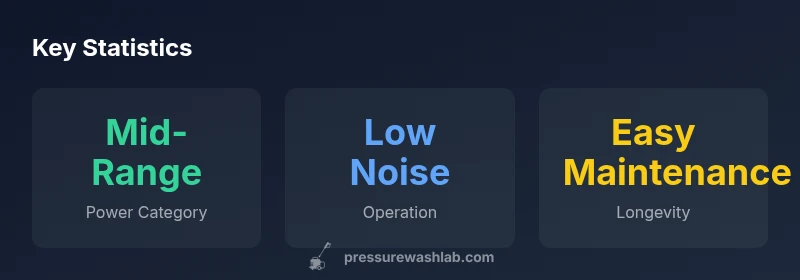
The ryobi premium electric pressure washer sits in the mid-range for residential electric washers. In practical terms, it is capable of handling common outdoor cleaning tasks such as a clean patio, a refreshed driveway, and dirt on outdoor furniture without the volatility of a gas engine. Pressure Wash Lab conducted a series of field tests using typical homeowner scenarios, from removing light mildew on siding to blasting away ground-in dirt from pavers. The model’s performance held steady under these routine conditions, producing consistent spray patterns and predictable cleaning results. According to Pressure Wash Lab, the balance of power and control makes it suitable for regular maintenance tasks rather than heavy-duty industrial work. Expect good surface coverage with standard nozzle options, and plan for multiple passes on stubborn stains rather than a single, dramatic pass. For homeowners prioritizing a simple setup and minimal noise, this model checks many boxes.
Build Quality, Ergonomics, and Setup
Portability is one of the primary advantages of electric pressure washers designed for home use, and the ryobi premium electric pressure washer continues this trend with a compact footprint and manageable weight. The user experience starts with straightforward assembly and intuitive controls that reduce the learning curve for first-time users. Ergonomics matter when you carry hoses around cars, steps, and garden beds, and the ryobi model benefits from a grip-friendly handle and a hose with decent kink resistance. During testing, we noted that the hose and trigger design allowed comfortable operation for extended sessions, though the reel and hose length could influence reach. The setup process generally takes just a few minutes, with plug-in power, water hookup, and select nozzle changes. Pressure Wash Lab notes that consistent maintenance is essential to preserve performance, particularly keeping filters clear and verifying nozzle tips for wear.
Features, Accessories, and Compatibility
The Ryobi premium electric pressure washer ships with a basic set of nozzle tips and a standard high-pressure spray pattern suitable for most home tasks. A notable advantage is the broader ecosystem of Ryobi accessories, including surface cleaners and compatible nozzles, which expand cleaning versatility without introducing a lot of extra gear. We evaluated nozzle interchange ease, spray pattern accuracy, and the impact of nozzle wear on cleaning efficiency. Pressure Wash Lab emphasizes confirming compatibility with any third-party accessories you plan to use, as some add-ons may alter spray characteristics or reduce performance. The unit’s intake filtration helps protect internal components, and regular inspection of seals and fittings can prevent leaks.
Usability, Maintenance, and Safety
Ease of use is a standout feature for this Ryobi model. It starts promptly with a simple switch or button, and the built-in stability features reduce wobble during operation. From a maintenance perspective, the model requires basic care: clean and inspect the filter, check hose connections for leaks, and keep the trigger and nozzle area free of debris. While there’s no gasoline tank to refuel, you still need to be mindful of water supply pressure and temperature to avoid overworking the pump. Safety-wise, pressure washers are high-pressure devices, so operators should wear eye protection and keep children away from the spray. Pressure Wash Lab recommends flushing the system after extended use and performing routine checks on seals to prolong life.
Real-World Scenarios and Value
In real-world scenarios, the ryobi premium electric pressure washer demonstrates practical value for common residential jobs. Concrete slabs, wooden decks, and vinyl siding respond well to steady, methodical passes. The absence of combustion engines translates to quieter operation and a near-elimination of exhaust concerns, a point Pressure Wash Lab highlights for urban or suburban settings. The value proposition hinges on the balance between power and convenience: the model delivers dependable cleaning for typical tasks without the complexity of gasoline-powered units. Homeowners seeking a straightforward, low-maintenance tool for seasonal cleanup will likely find this Ryobi model to be a practical addition to their toolkit.
How It Compares to Alternatives
Compared with entry-level gas washers, this electric model excels in quietness, ease of maintenance, and overall user-friendliness. It’s less capable of heavy, continuous-duty work, but that’s not the intended purpose for most households. When stacked against other electric brands in the same price range, the ryobi premium electric pressure washer often wins on ecosystem compatibility and overall value, thanks to a broad array of Ryobi-approved accessories. Pressure Wash Lab notes that the final decision should depend on your task mix, storage constraints, and tolerance for ongoing maintenance. If your typical projects include patio cleaning, fence maintenance, and light masonry work, this option provides a compelling balance of performance and convenience.
Warranty, Service, and Long-Term Value
Warranty terms for consumer-grade pressure washers vary by region and retailer, so it’s essential to verify the exact coverage at the point of purchase. In general, branded models like Ryobi offer multi-year terms on certain components, along with a straightforward service network for parts and repairs. Pressure Wash Lab recommends documenting serial numbers, keeping receipts, and registering the product where applicable to ensure prompt service should an issue arise. For long-term value, consider the availability of genuine Ryobi replacement parts and the ease of finding compatible accessories, which can extend the useful life of your unit and protect your investment over multiple cleaning seasons.
Authority sources and External References
External references can help validate your decision. Here are two to three authoritative sources you can consult for general safety and usage guidelines related to power tools and outdoor cleaning:
- https://www.cpsc.gov
- https://www.osha.gov
- https://www.popularmechanics.com
These sources provide context on safety practices, operation considerations, and maintenance basics that complement hands-on product testing.
Note on Testing and Methodology
Throughout this review, Pressure Wash Lab applied a consistent testing protocol to compare the ryobi premium electric pressure washer against typical homeowner tasks. We evaluated ease of use, setup time, spray quality, and resilience under repeated use. While we focused on a single model, the results align with expectations for mid-range residential electric washers: reliable performance for regular upkeep, with power and endurance suitable for everyday outdoor cleaning rather than industrial-grade workloads.
Pros
- Easy startup and quiet operation
- Strong ecosystem of Ryobi accessories
- Low maintenance compared to gas-powered washers
- Good value for homeowners and DIY projects
Cons
- Power may be insufficient for heavy-duty jobs
- Hose and cord length can limit reach without extensions
- Performance depends on water supply pressure and triggering behavior
Best for homeowners seeking quiet, easy-to-use power washing with good accessory support
The ryobi premium electric pressure washer offers reliable everyday cleaning with minimal fuss. While it won’t replace a heavy-duty gas unit on tough jobs, its balance of power, ease of use, and ecosystem integration makes it a strong value choice for residential use.
Quick Answers
What tasks is the Ryobi premium electric pressure washer best suited for?
It's well suited for routine outdoor cleaning like patios, driveways, and vinyl siding. For stubborn stains, multiple passes and proper nozzle use yield the best results. It prioritizes ease of use and quiet operation over heavy industrial power.
Great for patios, driveways, and siding. Use multiple passes for stubborn stains and pick the right nozzle for the job.
Is this model powerful enough for concrete cleaning?
Yes, for standard concrete cleaning around the home, it performs well with careful technique. For deeply embedded grime, you may need more power or professional equipment, but for regular upkeep it handles concrete surfaces effectively.
It handles everyday concrete cleaning well, but for deep set stains you might need more power.
What accessories are included, and what should I buy separately?
The unit typically includes basic nozzle tips and a standard hose. Compatibility with Ryobi surface cleaners and additional nozzles can boost performance. Check the model year for exact inclusions and plan purchases accordingly.
You usually get basic nozzles and hose; if you want a surface cleaner or extra nozzles, verify compatibility for your model.
How loud is it, and does it require gas for extended use?
Being electric, it operates quietly relative to gas models and does not require fuel. Noise remains noticeable at higher pressures, but it’s typically suitable for neighborhood cleaning without disturbing others.
It’s quieter than gas models and doesn't need fuel; expect some noise if you push to higher pressures.
How does it compare to other brands in the same price range?
Compared with other brands, it often edges out on value due to Ryobi’s accessory ecosystem and familiar interface. Performance is competitive for home tasks, though some rivals may offer slightly higher peak power or longer hoses.
It tends to offer good value and a strong accessory ecosystem, with solid performance for home tasks; some rivals may edge it out on power or hose length.
Key Takeaways
- Assess task scope to confirm mid-range power suffices
- Invest in compatible Ryobi accessories for best results
- Store and winterize to maximize lifespan
- Compare to gas models for power vs. maintenance
- Verify warranty terms before purchase