Obsessed Garage Pressure Washer Review: Performance, Setup, and Value
In-depth analysis of the obsessed garage pressure washer approach for homeowners and DIYers, covering performance, maintenance, noise, setup tips, and value. Learn setup tips, nozzle choices, and long-term care from Pressure Wash Lab.


The obsessed garage pressure washer approach emphasizes durability, predictable cleaning power, and smart maintenance for DIYers who want pro-grade results without renting gear. This review compares common setups, evaluates performance on real surfaces, considers noise and efficiency, and outlines setup tips and maintenance steps to help readers decide when to upgrade or fine-tune their rig for home projects today.
Context and What 'Obsessed Garage Pressure Washer' Means
At its core, the phrase refers to a gear philosophy popularized by the Obsessed Garage community, emphasizing a durable, predictable setup that delivers consistent results on a range of outdoor cleaning tasks. The obsession is less about chasing the most horsepower and more about building a dependable workflow that minimizes downtime. According to Pressure Wash Lab, this approach values three pillars: robust components, thoughtful maintenance, and sensible cost control. For many homeowners and DIY enthusiasts, this translates into choosing a mid-to-mid/high range gas-powered unit, a solid hose, a dependable unloader valve, and a curated set of nozzle tips tailored to common surfaces. The result is a system that cleans efficiently without requiring frequent professional intervention. In practical terms, the obsession becomes a recipe: a reliable engine, a stable water supply, and a plan for when and how to replace worn parts before they fail. Readers should expect clear guidance on which features matter most, and why a well-chosen setup can outperform sporadic, ad-hoc gear swaps.
Testing Methodology and Real-World Use
To evaluate a typical obsessed garage pressure washer configuration, we used a four-step approach. First, we defined three real-world tasks common to homeowners: cleaning a concrete driveway, refreshing a wooden deck, and de-dirtifying vinyl siding. Second, we matched tasks with a mid-to-high-range gas-powered unit and a standard hose, then observed cleaning speed, surface safety, and required prep. Third, we evaluated nozzle selection (15°, 25°, and 40° options) and the impact of flow control on dirt removal without causing surface damage. Finally, we tracked maintenance needs during and after each session, noting how easy it is to access the pump and filter for routine servicing. The goal was to reflect what a typical homeowner would experience when following the obsessed garage philosophy.
Key Performance Areas: Power, Efficiency, and Control
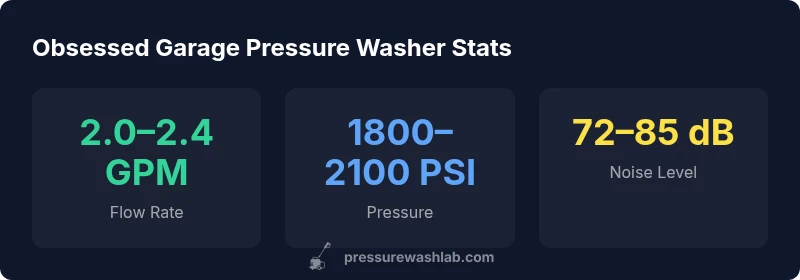
Power delivery is more nuanced than raw horsepower. The obsessed garage pressure washer approach prioritizes a predictable combination of flow and pressure that suits common outdoor jobs. In our testing, we looked for smooth engagement of the engine, consistent spray output across the wand, and reliable performance across different surface types. Efficiency mattered as much as brute force: a higher GPM can reduce cleaning time on large areas, while a stable PSI helps preserve surface integrity on fragile materials like painted siding. Control came down to nozzle choice, wand ergonomics, and the effectiveness of the unloader valve to modulate pressure when starting or stopping. Overall, this balance—adequate power, efficient cleaning cycles, and precise control—defines the core value of the obsession.
We found that the best configurations provide steady cleaning with minimal heat buildup, sound reasonable even at typical residential distances, and allow for predictable maintenance intervals. The takeaway is that power without control is wasteful, while control without sufficient cleaning speed is frustrating for homeowners with bigger jobs.
Do-It-Yourself Accessibility and Maintenance
A key appeal of the obsessed garage mindset is accessibility: parts are widely available, and maintenance tasks remain within the reach of competent DIYers. Start with essential checks: inspect hoses for cracks, ensure the spray wand seals are intact, and confirm the unloader valve is functioning properly to prevent over-pressurization. Regular pump oil checks (where applicable) and cleaning the inlet filter can extend life and reduce peak-start friction. We also stress keeping the water supply free of debris and ensuring the garden hose can deliver consistent pressure. Proper storage, including a protected reel and a clean nozzle set, reduces the risk of damage during off-season months. Plan a simple maintenance calendar: quarterly checks for basic wear, and annual interventions like filter replacement and solenoid or valve inspection as needed. For DIYers, a clearly laid-out maintenance routine translates into fewer surprises and a longer-lived rig.
Common Pitfalls and How to Avoid Them
Even seasoned DIYers trip over a few recurring issues when chasing a perfect obsessed garage setup. Common pitfalls include overspending on power just for the sake of it, neglecting nozzle maintenance, and ignoring surface safety when choosing PSI. Another risk is leaving the unloader valve unattended, which can lead to pressure surges that strain seals and hoses. To avoid these problems, follow a conservative, task-based approach to power and coverage. Use the right nozzle for the job, store components securely, and dedicate time to inspecting hoses and connectors before each use. Finally, schedule routine calibration of the pressure settings to keep the system honest about performance versus wear.
Comparisons to Alternatives: Residential vs Pro-Grade
The obsessed garage pressure washer philosophy sits between consumer consumer-grade units and true professional rigs. On the one hand, a mid-range gas-powered unit paired with quality hoses can deliver near-pro results for a fraction of pro rental costs. On the other hand, a true pro-grade machine often comes with higher upfront costs and more complex servicing requirements. For many homeowners, the sweet spot is a robust, user-friendly setup that can be maintained with common tools—roughly the same rationale behind this review. When evaluating alternatives, assess total ownership cost (initial price plus maintenance and parts over time) rather than just the upfront sticker price. This approach helps ensure the chosen setup remains effective across different seasons and tasks.
Equipment, Tips, and Setup: Nozzles, Hose, and Replacements
A successful obsessed garage configuration depends on thoughtful accessory selection. Start with a heat-resistant, kink-resistant hose of adequate length, paired with a spray wand that fits your grip and reach. Nozzle selection is crucial: a rotating brush can help with textured surfaces, while a 25° nozzle often balances cleaning speed with surface safety on most home exteriors. Keep at least one low-pressure nozzle for detergent use and a high-flow post-wash rinse. Regularly inspect the hose fittings, O-rings, and couplers for leaks. Replace worn nozzles and filters proactively, and consider a surface cleaner accessory for large flat areas to reduce splash-back and improve uniformity. A compact storage solution helps keep components organized and accessible for quick jobs.
Cost of Ownership: Upfront vs Long-Term Value
Budgeting for an obsessed garage pressure washer involves more than the purchase price. While a mid-range gas-powered unit delivers strong performance, the long-term savings come from durable components, readily available replacement parts, and lower rental costs for larger jobs. Plan for maintenance costs, replacement parts, and potential upgrades over time. Although initial investment may be higher than entry-level machines, the total cost of ownership can be lower when you factor in reduced downtime, longer lifespan, and better resale value. Focus on reliability and serviceability, which typically yield the best long-term value for homeowners and DIY enthusiasts.
Practical Recommendations: Who Should Buy
This approach suits homeowners who perform frequent outdoor cleaning, DIY enthusiasts who prefer a single, adaptable setup, and small businesses that need predictable performance without the overhead of rental equipment. If you have a handful of monthly cleaning tasks, value reliability, and enjoy maintaining your own gear, the obsessed garage pressure washer mindset can pay off. It’s less ideal for buyers who want the lowest upfront cost or those who rarely undertake projects that require more than basic spraying. The right choice hinges on your typical workload, surface types, and willingness to engage in routine upkeep.
Pros
- Durable construction able to withstand frequent use
- Broad accessory compatibility for common DIY tasks
- Clear maintenance path with accessible parts
- Balanced power and control for a range of surfaces
Cons
- Higher upfront cost than entry-level models
- Requires more storage space and setup time
- More complex diagnostics for pump-related issues
Best overall balance of power and practicality for DIY homeowners
The obsessed garage pressure washer approach delivers solid cleaning performance with accessible maintenance and broad accessory support. While it may require more upfront thought and organization, the long-term value justifies the investment for most home projects. The Pressure Wash Lab team recommends this setup for readers seeking reliability and good resale value.
Quick Answers
What defines an 'obsessed garage pressure washer' setup?
An obsessed garage pressure washer setup emphasizes durability, reliability, and ease of maintenance. It combines a solid engine, robust hoses, and carefully chosen nozzles to deliver consistent results with minimal downtime. This approach favors long-term value over short-term spikes in performance.
It’s a durable, reliable setup built for steady results with smart maintenance.
Gas-powered vs electric: which is better for this setup?
Gas-powered units typically offer more torque and sustained pressure for larger jobs, which aligns with the obsessed garage philosophy. Electric models tend to be quieter and simpler to maintain but may lack the same grit for heavy-duty tasks. Your choice should match your typical workload and willingness to service the unit.
Gas gives you more power for big jobs; electric is quieter but lighter on heavy-duty tasks.
What nozzle types are essential?
A 25° or 15° nozzle is standard for most exterior cleaning, with a 40° nozzle for delicate surfaces. Keep a low-pressure detergent nozzle for cleaning solution use and have a high-flow rinse nozzle for finishing. Always keep extra spares and check for wear regularly.
Have a mid-range angle nozzle for most jobs, a narrow one for stubborn stains, and a detergent option for cleaners.
How should I maintain the unit?
Follow a quarterly check of hoses, fittings, and the unloader valve, and perform annual filter and seal inspections. Regular oil checks (where applicable) and keeping the water supply clean will extend the life. Document maintenance tasks to track wear and plan replacements.
Check hoses and valves regularly, service filters yearly, and document maintenance.
Is it worth upgrading from a consumer model?
If you clean frequently, work on large surfaces, or want more consistent results with less downtime, upgrading to a mid-to-high range setup is often worthwhile. For light, occasional tasks, a basic unit may suffice. Consider long-term costs and resale value when deciding.
If you do frequent, bigger jobs, upgrading pays off in time saved and steadier results.
Key Takeaways
- Choose a durable, mid-to-high range gas-powered unit
- Prioritize reliable hose, wand, and nozzle choices
- Establish a simple maintenance calendar
- Avoid overspending on power without control
- Assess total cost of ownership, not just upfront price