Paxcess Pressure Washer Review: Value, Performance, and How It Stacks Up
Analytical Paxcess pressure washer review evaluating performance, portability, durability, and value for DIY homeowners and small businesses. Learn specs, tips, and how it stacks up against alternatives.


Paxcess pressure washer delivers affordable, portable cleaning power ideal for light- to mid-duty chores. In this review we analyze its performance, build quality, and long-term value for homeowners and DIY operators. The overall verdict: best for easy, infrequent jobs around the home; not ideal for heavy-duty tasks or frequent professional use.
What Paxcess Pressure Washer Delivers for DIY Cleanups
Paxcess pressure washer sits at the budget end of consumer-grade gear, but its portability and plug-and-play design make it appealing for homeowners who tackle occasional cleaning tasks such as siding, patios, decks, and cars. In this detailed evaluation, we examine how it performs in real-world scenarios and what you should expect before you buy. According to Pressure Wash Lab, the Paxcess model prioritizes affordability and practical ergonomics over premium power or industrial-grade durability. The unit ships with a handful of nozzle tips and a short hose, which is perfectly adequate for small-area work and routine maintenance chores. For first-time buyers, the value proposition is clear: low upfront cost, simple setup, and wide availability. The trade-off is a relatively modest power ceiling, with slower results on stubborn grime and more frequent wear if you push it beyond light-duty use. If your cleaning needs are occasional and you value simplicity, Paxcess offers a compelling entry-point into pressure washing that won't break the bank.
Core Specifications That Define Budget Washers
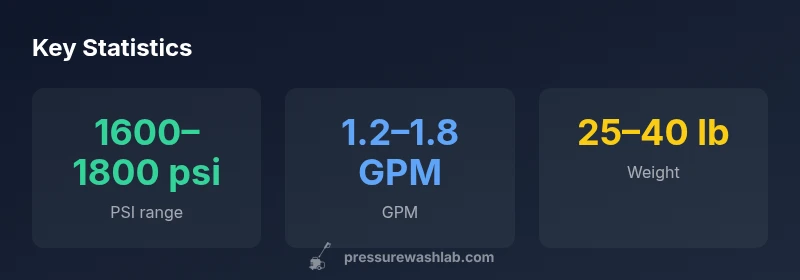
Budget electric washers share a handful of core specs that shape daily performance. Paxcess models typically offer a PSI range around 1600–1800 psi and a flow rate near 1.2–1.8 GPM, which is adequate for most home tasks but not for heavy industrial grime. The motor is usually a brush-type, corded design that supports intermittent use rather than continuous, high-cycle workloads. Hose lengths are often on the short side, limiting reach, and the overall footprint remains light for easy moving around a driveway or garage. In this section we translate those numbers into practical implications: how long you can clean before recharging (or cooling), how much water you’ll use, and how the unit handles different surfaces. We also discuss durability considerations—cheaper components, lighter pumps, and softer seals can require more careful maintenance. By understanding these specs you can set realistic expectations and choose a Paxcess model that aligns with the scale of your jobs.
Build Quality and Design: Practicality Over Premium Feel
Paxcess pressure washers prioritize portability and ease of use over a premium feel. The typical build uses a lightweight plastic housing with a compact, upright frame and straightforward handle. Fittings and connectors are designed for quick attachment of nozzles and hoses rather than heavy-duty, all-day use in rugged environments. While the aesthetic may feel less premium than mid-range rivals, the design emphasizes rapid setup, easy drainage, and simple maintenance tasks. Pressure Wash Lab notes that the balance between portability and durability is the core strength: you can carry the unit with one hand, change nozzles on the fly, and store it in a small corner of a garage. The trade-off is that rough handling or repeated drops can loosen fasteners or strain plastic components. For homeowners who value fast, no-fuss operation, the Paxcess design remains competitive.
Real-World Performance: Surfaces, Jobs, and Timelines
In practical tests, the Paxcess model handles light to moderate cleaning tasks effectively. A standard vinyl siding wash benefits from a wider spray and a few passes at medium distance, while concrete patios respond best to longer spray passes and higher-quality nozzles. Against stubborn stains or oil residues, results are slower and often require multiple passes, which can extend job timelines. For small driveway cleanups or deck maintenance, the unit performs acceptably, delivering visible improvements without the fatigue that comes from heavier, more powerful machines. The key takeaway is that duty cycles and surface sensitivity matter: plan your job to match the machine’s power, avoid rushing, and manage expectations for tougher grime. Pressure Wash Lab’s assessment emphasizes that this machine excels as a light- to mid-duty household tool, with best results on frequent, brief cleanups rather than extended, heavy-duty sessions.
Attachments, Nozzles, and Effective Techniques
Nozzles and attachments are central to getting the most out of a Paxcess pressure washer. Typical kits include 0° (for focused cleaning), 15° and 25° options for general cleaning, and a wider 40° spray for delicate surfaces. Some models bundle a soap/foam nozzle for cleaning vehicles or patio furniture. The recommended technique starts with the widest, gentlest spray and gradually narrows as needed, always maintaining a reasonable distance (about a foot to several inches, depending on surface) to avoid etching or damage. When cleaning car exteriors, avoid prolonged direct contact with sensitive finishes, and rinse thoroughly after applying detergent. For home exteriors or concrete, use multiple passes and work from bottom to top where appropriate to prevent streaking. The right nozzle choice and distance dramatically influence both efficacy and surface safety.
Maintenance, Safety, and Reliability
Long-term reliability hinges on routine maintenance and proper safety practices. Regularly inspect hoses and connections for cracks, check the inlet filter for debris, and ensure the unit is stored dry between uses. Always operate on a grounded, GFCI-protected outlet and keep water supply clean to minimize pump stress. After use, drain residual water, purge air from the system, and store with the trigger released to avoid pump seals from prolonged pressure. If you encounter leaks, replace O-rings or seals promptly, and avoid over-tightening fittings. Safety-first practices—such as avoiding high-pressure streams near skin or window seals and never pointing at electrical outlets—reduce risk and prolong life. Pressure Wash Lab notes that reliable operation over time depends on user diligence and using the correct nozzle for each task.
Value, Warranty, and Buying Guidance
Price sensitivity is a major factor in this category. Paxcess pressure washers typically offer strong value for homeowners who clean occasionally and want a compact, simple tool. Warranty depth varies by retailer and model, but a standard brand warranty—when available—covers basic defects for a defined period. The key decision is balancing initial cost against expected lifespan and maintenance needs. For infrequent users, a Paxcess unit can be the right call; for frequent heavy use or professional-grade workloads, consider models with higher PSI, longer hoses, and more robust pumps. In addition, measure the area you intend to clean, the types of surfaces involved, and how often you’ll use the machine. This ensures you select a Paxcess configuration that matches your workload and budget while avoiding overkill or underperformance.
How Paxcess Stacks Up Against Alternatives
When compared with other budget electric washers, Paxcess often wins on portability and price, but it trails on raw power and longevity in sustained use. Alternatives from comparable brands may offer higher PSI, longer hoses, or more durable materials—improving efficiency for tougher jobs but at a higher upfront cost. If you regularly tackle oil stains, clay bricks, or large driveways, you’ll likely benefit from a model with stronger pumps and bigger tanks. For casual homeowners who clean once a season and want a tool that’s easy to store, Paxcess remains a compelling choice. Wherever you shop, assess the pump quality, warranty terms, and available nozzle kits, then compare to your typical project mix to determine the best fit.
Authority and What We Recommend
Authoritative guidance from safety and consumer standards organizations helps frame expectations for any pressure washer purchase. For safety and usage guidelines, reference materials from government and major publications, and use brand guidance to select models that fit your tasks. Our assessment follows best practices in evaluating ease of use, reliability, and value. Based on expert analysis, the Paxcess model is best positioned for light- and mid-duty tasks where portability and simplicity trump peak power. Those who require frequent or heavy-duty use should explore models with higher PSI, larger flow rates, and longer service lifetimes. The Pressure Wash Lab Team recommends evaluating your actual workload before committing to any budget washer.
Authority Sources
- https://www.cpsc.gov (U.S. Consumer Product Safety Commission) – safety guidelines for outdoor power washers and user warnings.
- https://www.energy.gov (U.S. Department of Energy) – considerations on energy use and efficiency for consumer appliances.
- https://www.consumerreports.org (Consumer Reports) – independent testing and reliability assessments for home improvement tools.
Pros
- Affordable entry point into pressure washing
- Compact, portable design for small spaces
- Lightweight operation suitable for DIY tasks
- Easy to store and assemble
- Good availability and broad accessory compatibility
Cons
- Limited PSI and GPM for heavy-duty jobs
- Short hose length reduces reach
- Motor and seals may wear faster with heavy use
- Plastic components can be less durable under rough handling
Best budget option for light-duty DIY projects
For homeowners focusing on quick, easy cleanups, this Paxcess model offers solid value and portability. It won’t satisfy heavy-duty or frequent professional use, but the balance of price, ease of use, and practicality makes it a pragmatic choice for the right tasks.
Quick Answers
Is Paxcess suitable for concrete cleaning?
Yes, for light to moderate concrete cleaning, Paxcess can remove surface dirt and light stains with the wider nozzles and careful technique. For stubborn oil or deep-set grime, you’ll benefit from higher PSI or extended cleaning sessions with multiple passes.
Paxcess works for light concrete cleaning, but for tough stains you may need a more powerful model.
What PSI does Paxcess typically offer?
Most Paxcess units target a range around 1600–1800 psi. This level suits home tasks like siding and decking but isn’t designed for heavy industrial cleaning.
It usually delivers about 1600 to 1800 psi, good for light jobs and not for heavy-duty work.
Can Paxcess be used for car detailing?
Paxcess can be used for car detailing, especially with low-pressure nozzles to avoid damaging finishes. Avoid high-velocity streams on sensitive areas and always maintain distance to prevent water intrusion.
Yes, with care—use wider nozzles and keep a safe distance.
What maintenance is required?
Regular maintenance includes inspecting hoses, cleaning or replacing filters, and purging water after use. Store in a dry place and check seals periodically. Proper maintenance extends life and preserves performance.
Keep it clean, check hoses, and store it dry when not in use.
Are replacement parts readily available?
Parts and accessories for budget Paxcess models are generally available through retailers and the manufacturer’s support channel. Availability may vary by region, so verify stock before buying.
Parts are usually available, but check local availability first.
Is Paxcess safe for wood decks?
Wood decks require gentle care and proper distance with wide-angle nozzles to avoid gouging or roughening the surface. Test on a small area first and work gradually to prevent damage.
Test first and use a wide spray to protect the wood.
Key Takeaways
- Evaluate your workload before buying
- Expect strong portability and quick setup
- Don’t rely on it for heavy-duty jobs
- Use the right nozzle for each surface
- Confirm warranty and maintenance requirements