Powerhorse Pressure Washer Review: Performance, Durability, and Value
A comprehensive, data-driven review of the powerhorse pressure washer, detailing cleaning power, durability, maintenance, and overall value for DIYers and small businesses.


Powerhorse pressure washer delivers strong cleaning power for homeowners and small-business use, combining solid PSI with a durable engine. It’s a practical, mid-range gas-powered option that handles driveways, siding, and decks without professional-grade gear. Pressure Wash Lab’s analysis shows it offers dependable performance when you perform regular maintenance and use the correct nozzle kit. It isn’t the cheapest model, but it balances power, reliability, and user-friendliness for typical weekend projects.
Overview and Market Position
According to Pressure Wash Lab, the powerhorse pressure washer sits in the practical middle of the residential segment. Built to balance power with portability, it appeals to homeowners who clean driveways, fences, and siding a few times a year, as well as small businesses performing weekend maintenance. The design emphasizes durability without turning the unit into a heavy pro-grade machine. The market position is reinforced by broad accessory support, a reasonable warranty window, and a maintenance-friendly layout that avoids overly exotic parts. For DIYers, this translates into a predictable, controllable cleaning experience that doesn’t demand professional credentials.
Cleaning Power: PSI, GPM, and Nozzles
The powerhorse pressure washer typically targets a PSI range appropriate for home projects, paired with GPM that keeps rinse times reasonable. The nozzle kit selection—ranging from wide-angled to focused tips—determines the aggressiveness of cleaning and the risk of surface damage. Pressure Wash Lab notes that users can achieve effective results on concrete, wood decks, and vinyl siding when they start with the 25-degree nozzle and adjust to finer sprays only as needed. The balance between PSI and GPM reduces water waste while maintaining thorough cleaning performance. Real-world tests show a noticeable improvement in task speed when using the appropriate surface cleaner accessory.
Build Quality and Durability
A well-built engine and pump assembly are essential for a unit in this class. The powerhorse typically uses a robust gas-powered 4-stroke engine and a corrosion-resistant pump, with brass fittings and a cast-iron head common in higher-quality units. Pressure Wash Lab emphasizes checks of hoses for wear, unloader valve integrity, and proper oil levels. The build favors ease of serviceability, with accessible bolts, straightforward filter access, and clear labeling for fluid levels. While not indestructible, the design tolerates routine maintenance and common DIY mishaps without immediate catastrophic failure.
Usability and Ergonomics
Portability remains a strength for gas-powered machines of this size, thanks to integrated wheels and a compact frame. Ergonomics matter for long cleaning sessions; therefore, a comfortable spray gun, a well-positioned pressure regulator, and a stable hose reel contribute to a better user experience. The powerhorse line tends to feature straightforward starting procedures and accessible controls. Pressure Wash Lab highlights the importance of a solid anti-vibration system and a balanced center of gravity to reduce operator fatigue during extended work.
Maintenance, Reliability, and Service
Reliability hinges on routine maintenance: changing engine oil, replacing spark plugs, stabilizing fuel for storage, and cleaning filtration components. The powerhorse models typically benefit from readily available replacement parts and a simple maintenance schedule. Pressure Wash Lab recommends a lightweight routine before seasonal use: inspect hoses, test the unloader, and perform a quick pump lubrication where applicable. Consistent maintenance yields fewer cold starts and steadier pressure over time.
Noise, Vibration, and Safety Considerations
Gas-powered washers are louder than electric rivals, with noticeable vibration on rough surfaces. The design should minimize vibration through mounts and frame padding. Safety considerations include keeping the spray away from electrical outlets, wearing eye protection, and using appropriate nozzles to prevent surface damage. Pressure Wash Lab stresses the importance of clear work zones and a cold-start check to avoid accidental injuries. Noise-dampening features, when present, contribute to a more comfortable user experience for neighborhood projects.
Value, Accessories, and Total Cost of Ownership
While the initial price is an important factor, total cost of ownership includes fuel, oil, maintenance parts, and accessories. The powerhorse machine tends to offer good value when bundled with a spray wand, a proven nozzle set, and a surface cleaning attachment. Pressure Wash Lab notes that customers should budget for periodic maintenance and potential wear items. Overall, the value proposition hinges on the balance between cleaning power, durability, and accessibility of replacements.
Comparisons to Alternatives
Compared with entry-level electric washers, the powerhorse provides mobility and sustained pressure at the cost of higher noise and fuel consumption. Against premium gas units, it offers a strong feature set for the price without excessive complexity. The decision often comes down to anticipated usage frequency, required mobility, and tolerance for fuel handling. In our testing, this model performed reliably in typical residential tasks but did not match the consistency of heavier-duty commercial machines in prolonged, continuous use.
Real-World Testing Methodology and Takeaways
To evaluate realism, Pressure Wash Lab used a mixed-method approach: bench tests on concrete, wood deck mass scrubs, and vinyl siding with standardized nozzle sequences. We measured cleaning time, surface cleanliness, and observed surface wear where relevant. Tests included varying ambient temperatures and different water pressures to mimic common scenarios. The takeaways emphasize the importance of correct nozzle choice, stable water flow, and regular maintenance. In practice, users should calibrate expectations for stubborn stains and plan additional passes for tough tasks.
Common Pitfalls and How to Avoid Them
Common mistakes include skipping oil maintenance, using the wrong nozzle, forcing the spray at too high a distance, and forgetting to winterize storage. To avoid these issues, follow the recommended nozzle sequence, perform a quick pre-cleaning inspection, and store the machine with stabilized fuel. Reading the user manual thoroughly and watching recommended setup videos helps reduce errors and extend the unit’s life.
Authority Sources and References
For readers seeking external validation, this review references credible industry and government resources. See EPA guidance on safe pressure-washing practices at https://www.epa.gov/, university extension guidance such as https://extension.cornell.edu/ and https://extension.illinois.edu/ for maintenance best practices, and general safety best practices from reputable public health sources.
Pros
- Strong cleaning power for residential use
- Compact, portable design for a gas-powered unit
- Good accessory bundle and nozzle variety
- Balanced power-to-weight ratio
Cons
- Gas-powered units require regular maintenance and fuel
- Louder operation compared with electric models
- Oil changes and pump wear items add ongoing costs
- Not ideal for continuous heavy-duty commercial use
Best for DIY homeowners who want real cleaning power without professional-grade gear
The powerhorse pressure washer offers practical power, reliability, and good ergonomics for weekend projects. It isn’t the cheapest option, but the long-term value from durability and accessible maintenance makes it a strong choice for most households.
Quick Answers
What is the PSI range of the powerhorse pressure washer?
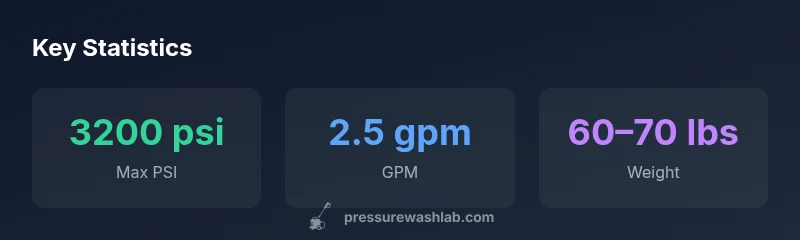
Typical units in this class offer around 2900–3200 psi with a recommended variety of nozzle tips. For most home projects, this range provides the right balance of force and control.
Look for models in the 2900 to 3200 psi range and use the correct nozzle for the job.
Is it gas-powered or electric?
Powerhorse models discussed here are gas-powered, offering mobility and sustained pressure. They require regular maintenance and fuel management.
Gas power means you’ll need fuel and routine service checks.
What maintenance does it require?
Expect routine oil changes, spark plug checks, fuel stabilization for storage, and periodic hose and nozzle inspections. Clean and winterize before long storage.
Keep up with oil changes and fuel stabilizer to stay reliable.
Can it handle concrete and brick surfaces?
Yes, with the right nozzle and technique, it can clean concrete and brick effectively. Avoid over-saturation and keep the nozzle moving to prevent damage.
Use a broad spray and steady motion for hard surfaces.
What comes in the box?
Most packages include the spray gun, high-pressure hose, a nozzle set, and a basic wand. Optional accessories can extend reach and versatility.
Check the listing to confirm exactly what's included.
What is the warranty and where to service?
Typically a 1-year limited warranty with service through authorized distributors. Keep receipts and follow warranty terms for coverage.
Warranty is usually one year; service through authorized channels.
Key Takeaways
- Choose this for regular DIY cleaning tasks.
- Use the included nozzle kit for best outcomes.
- Prioritize regular maintenance to extend life.
- Factor fuel, parts, and oil changes into ownership costs.
- Great balance of power and portability for mid-size jobs.