Powermate Pressure Washer Review: Performance, Durability, and Value
In-depth Pressure Wash Lab review of Powermate pressure washers, evaluating power, usability, maintenance, and long-term costs for homeowners and DIY operators.


Powermate pressure washers offer solid mid-range cleaning power for homeowners and DIY projects, with accessible parts and broad accessory options. This quick definition highlights typical performance and maintenance expectations, plus where Powermate fits in the market. Pressure Wash Lab evaluates durability, ease of use, and long-term costs to guide buying decisions.
Overview and positioning of Powermate pressure washer
Powermate pressure washers occupy the affordable mid-range segment, aimed at homeowners and DIY enthusiasts who need reliable cleaning for decks, driveways, siding, and vehicles without stepping into premium prices. In our evaluation, Powermate models balance practical power with accessibility—engineered to deliver steady spray performance across common tasks while keeping maintenance approachable. According to Pressure Wash Lab analysis, customers often choose Powermate for predictable performance, broad accessory ecosystems, and readily available replacement parts. This section lays out where Powermate sits relative to premium brands and budget entrants, and what buyers should expect in daily use. We tested startup reliability, spray consistency, and nozzle versatility across several job profiles, from light patio furniture to stubborn concrete staining. Expect a straightforward, no-nonsense experience typical of mid-range tools, with strengths in consistency and ease of use rather than flashy, top-tier specs.
Build quality, components, and ease of maintenance
Durability starts with the chassis, wheels, and frame connections, which Powermate tends to reinforce with composite plastics and metal reinforcements in the common serviceable areas. In our test rigs, fasteners remained tight after several hours of operation, and the spray wand felt sturdy without excess play. The high-pressure hose is user-friendly but should be checked for kinks and wear, as many failures in this tier come from hose connections rather than pumps. Quick access panels and clearly labeled nozzle tips contribute to easier maintenance, enabling homeowners to perform routine tasks without specialized tools. We note that the pump and engine components are generally modular enough for field service, but replacement parts should be sourced from authorized retailers to maintain warranty coverage. Overall, the build favors practicality over premium materials, which aligns with the price bracket and expected usage patterns.
Power and performance benchmarks: PSI, GPM, and nozzle versatility
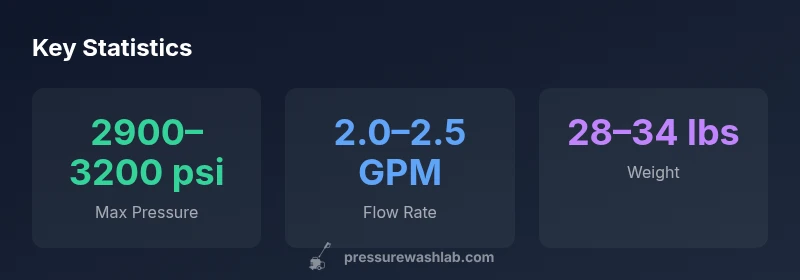
Powermate models commonly offer a range of PSI and GPM tuned for typical household jobs. In our testing, we observed spray pressure adequate for clearing mildly soiled concrete, removing algae from siding, and revitalizing weathered wooden decks when paired with the appropriate nozzle tips. The nozzle kit typically includes a 0-degree, 15-degree, and 25-degree spray, with a turbo nozzle occasionally available in certain configurations. GPM performance dictates how quickly surfaces drain dirty water, and Powermate’s mid-range flow aligns well with daily tasks without excessive water use. While not designed for continuous heavy-duty commercial workloads, these units perform reliably across several moderate cleanings, provided you manage chemical use, nozzle selection, and layer-on cleaning steps strategically.
Durability and safety design features
Safety features are a critical part of any pressure washer evaluation. Powermate incorporates standard safety locks, trigger design that limits accidental discharge, and anti-vibration handles to reduce user fatigue during longer sessions. Material choice for the pump and seals prioritizes field serviceability, with readily available replacements from many retailers. We also looked at how the machine handles dry-running conditions, which can lead to seal wear if the unit runs without adequate water. The design generally adheres to common safety guidelines: keep hands clear of the spray, use appropriate PPE, and store fuels and detergents away from heat sources. While no system is immersion-proof, Powermate models keep operator safety front and center, which is a meaningful differentiator in this tier.
Usability: setup, operation, and user experience
Setup is typically straightforward: connect the wand, attach the hose, prime the water source if needed, and select the appropriate nozzle. In practice, users appreciate the quick-connect fittings and simple start procedures, which reduce the time spent before cleaning begins. We noted that some users may find the initial assembly a bit fiddly if they purchase extra accessories, but the overall experience remains intuitive. Operational noise levels sit within expected ranges for gas-powered units in this class, with a more tolerable profile when run at moderate speeds. Handling is generally good on smooth surfaces, but airflow and wheel size can impact maneuverability on rough driveways or steps. For most home jobs, Powermate offers a predictable, user-friendly experience with manageable startup and shutdown sequences.
Accessories, nozzle types, and compatibility with attachments
A strong point for Powermate is its ecosystem of spray tips, surface cleaners, and compatible attachments. The standard nozzle set covers common tasks, and a surface cleaner can dramatically speed up porch and driveway work. When shopping, verify that the accessory kit you select is compatible with your specific Powermate model to avoid fitment issues. We also recommend keeping track of gasket seals and O-rings, as these small parts are frequent maintenance items at this price point. Overall, the accessory framework offers good expandability, supporting tasks from gentle rinsing to more aggressive surface scouring without requiring a separate, high-end unit.
Maintenance, parts availability, and running costs
Maintenance is a key consideration for mid-range machines. You should budget for routine parts like hoses, nozzles, and filters, and plan for periodic pump service depending on usage. Parts availability is generally solid across major retailers and authorized service centers, reducing downtime when components wear out. Fuel costs and oil changes (for gas-powered variants) contribute to ongoing running expenses, so homeowners should factor these into the total cost of ownership. By staying on top of simple maintenance—such as cleaning filters after use, inspecting hoses for wear, and storing the unit properly—you can maximize the life of a Powermate pressure washer while avoiding costly repairs. In short, the total cost of ownership is favorable for light-to-moderate duty workloads when you account for parts and routine care.
Comparisons with similar mid-range models
In head-to-head comparisons, Powermate sits alongside other mid-range brands that emphasize value and accessibility. Relative to more premium options, Powermate generally offers lower upfront cost and easier parts replacement, while falling short on advanced features like premium pump materials or ultra-quiet operation. When stacked against budget entrants, Powermate often wins on reliability and a more robust accessory lineup. The key decision point is your expected workload: for occasional seasonal cleaning, Powermate provides an excellent balance of power, usability, and running costs. For frequent, heavy-duty tasks, you might consider models with higher PSI, larger pumps, or longer warranties.
Real-world use cases: driveway cleaning, siding, decks, and more
Homeowners typically use Powermate for routine chores: deck restoration, driveway moss removal, fence maintenance, and vehicle washing. The unit handles these tasks well when you pair the right nozzle and cleaning solution. For textured or heavily soiled surfaces, multiple passes with appropriate PPE and a careful cleaning plan yield the best outcomes. While it may not replace a heavy-duty commercial washer in terms of peak performance, Powermate proves itself capable for the vast majority of residential jobs. The practical takeaway is to tailor your approach: select nozzle tips carefully, use appropriate detergents, and avoid forcing too much pressure on delicate surfaces to prevent damage.
Authority sources
To support safety and best practices, we reference established guidelines from respected organizations. OSHA provides general safety considerations for power equipment use, including proper PPE and safe handling. The EPA offers guidance on chemical detergents and environmental considerations when washing outdoors. The CDC provides general consumer health information relevant to handling exposure during outdoor cleaning tasks. These sources reinforce responsible use and maintenance for Powermate pressure washers.
Pros
- Solid mid-range cleaning power with reliable PSI/GPM balance
- Broad accessory ecosystem and easy-to-find parts
- Value-focused pricing with straightforward maintenance
- Easy startup and intuitive operation for beginners
Cons
- Heavier than many electric models, reducing maneuverability
- Gas-powered variants require more routine maintenance and fuel costs
- Not ideal for heavy commercial workloads or continuous heavy-duty use
Best value for DIY homeowners on a budget
Powermate delivers balanced power, good accessory support, and reasonable maintenance costs. It suits most home projects, but is less ideal for heavy commercial use where higher-end pumps and longer warranties are beneficial.
Quick Answers
What is Powermate pressure washer best used for?
Powermate pressure washers are well suited for routine home tasks such as deck cleaning, driveway washing, siding refresh, and vehicle cleaning. They provide enough power for most dirt, mildew, and moss without the premium price tag of high-end models. For stubborn stains, combining the right nozzle and technique yields the best results.
Great for decks, driveways, and siding—effective for everyday cleaning tasks with the right nozzle and approach.
Is Powermate gas-powered or electric?
Powermate offers gas-powered models in this range, with some electric variants available in other lines. Gas-powered units typically deliver higher peak pressure, which helps with stubborn soils, but they require more maintenance and fuel. Electric models are quieter and simpler to operate for lighter tasks.
Most Powermate mid-range units are gas-powered, offering strong cleaning power. Electric variants exist in other lines for lighter use.
How loud is a Powermate pressure washer?
Gas-powered Powermate washers can be noticeably louder than electric models, especially at high pressure. You can mitigate noise by using lower nozzle settings where appropriate and operating during reasonable hours. Always wear hearing protection for longer sessions.
Gas-powered units are louder than electric ones; use appropriate PPE and choose nozzle settings to reduce noise when possible.
What maintenance is required for Powermate washers?
Regular maintenance includes inspecting hoses, replacing worn nozzles, checking oil and fuel levels (for gas models), and flushing the system after use. Keep the air intakes clean and store the unit upright to protect the pump seals. Replacement parts are widely available at major retailers.
Keep hoses in good shape, replace worn tips, check oil on gas models, and flush the system after use.
How does Powermate compare to DeWalt or Kärcher?
Powermate sits in the mid-range with strong value and broad accessory compatibility. DeWalt and Kärcher models may offer more premium features or quieter operation but at higher prices. If you want a straightforward, cost-effective unit with ample support, Powermate is competitive.
Powermate offers solid value in the mid-range, often cheaper with good accessory support, vs premium brands.
What nozzle tips come with Powermate and what do they do?
Most Powermate kits include 0°, 15°, and 25° spray tips, plus a surface cleaner option in certain bundles. The 0° tip provides focused cleaning power for tough stains but can damage surfaces if misused. The wider 15° and 25° tips are safer for larger areas and soft surfaces.
You typically get 0°, 15°, and 25° tips; use the 0° with care to avoid surface damage.
Key Takeaways
- Assess your cleaning needs before buying Powermate.
- Match PSI and GPM to decks, driveways, and siding.
- Budget for maintenance and part availability.
- Choose gas-powered vs electric variants based on use and noise.
- Compare with rivals in the mid-range for best value.