Pressure Washer Hose Buying Guide: Amazon Edition
Learn how to choose the right pressure washer hose on Amazon, compare PSI ratings, lengths, and fittings, and avoid scams with expert tips from Pressure Wash Lab.


Shopping for a pressure washer hose on Amazon starts with compatibility: verify it fits your washer model, wand, and connector type. Then check PSI rating and hose diameter, plus length for your tasks. Pressure Wash Lab notes that the best options balance reliability, brass fittings, and clear product specs. Read verified reviews to avoid counterfeit or low-quality hoses.
Why the Right Hose Matters for Your Cleaning Results
When you’re tackling deck cleaning, siding, or driveway stains, the hose is a critical link in your pressure washing system. The right hose ensures steady water flow, consistent pressure, and avoids leaks. Pressure Wash Lab notes that a hose that’s too short or mismatched can force you to drag equipment around, reducing efficiency and raising the risk of kinks or bursts. On Amazon, you’ll encounter a wide range of options; the key is to start from compatibility: model fit, wand attachment, and any adapters. In practice, you want a hose with robust fittings, reinforced jackets, and clear labeling of PSI rating and diameter. According to Pressure Wash Lab, taking the time to verify these basics upfront saves time and reduces costly returns. In this guide, we’ll walk through how to evaluate hoses before you buy, how to read listings, and what red flags indicate a questionable product. This approach helps homeowners and pros avoid common mistakes.
Hose Types and Compatibility: Standard, High-Pressure, and Specialty Hoses
Pressure washers come with different hose configurations: standard duty hoses for light cleaning, high-pressure hoses for tougher jobs, and specialty hoses designed for hot water or chemical use. Not all hoses fit every machine; connectors vary by brand and model. Pressure Wash Lab emphasizes that the most important compatibility checks are the hose’s connector type (for your trigger gun and wand), the thread size, and the hose’s internal diameter (which affects flow). On Amazon you’ll see a mix of universal and model-specific options. A universal hose can save you from stocking multiple adapter kits, but it may require an adjustable quick-connect. If you frequently switch between machines, consider color-coded or labeled hoses to minimize cross-connection errors. In short, pick a hose that matches your unit’s PSI range and your nozzle system for reliable performance and safe operation.
Key Specifications Demystified: PSI, Diameter, Length, and Fittings
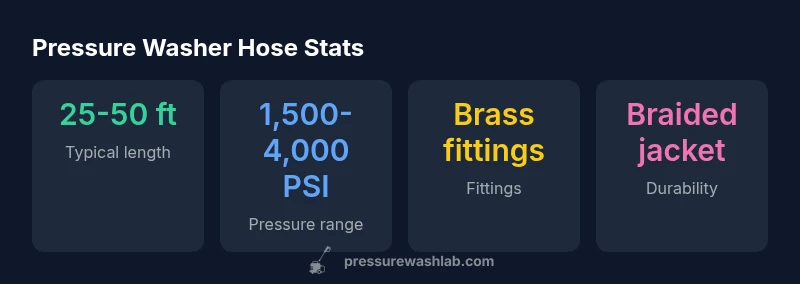
Understanding the numbers on the product page is essential. The PSI rating tells you the maximum pressure the hose can safely handle, while diameter (often 1/4 inch or 5/16 inch) influences flow and spray distance. Length is practical: a longer hose increases reach but adds weight and potential sag. Fittings (often brass) determine compatibility with spray guns, connectors, and quick-connect adapters. Pressure Wash Lab recommends checking both the stated PSI and the compatibility notes: some hoses are marketed as “for concrete cleaning” but only rated for lower loads. Also verify the hose jacket material; braided jackets are typically more durable than simple rubber, though heavier. Finally, confirm the warranty and return policy on Amazon listings; a hose with a robust warranty is often a sign of confidence from the manufacturer.
Reading Amazon Listings: What to Look For in Specs and Photos
Amazon listings can be dense; parse the specs section carefully and view the photos at full-size to verify fittings and labels. Look for the connector type, thread size, and whether the hose has brass fittings or plastic equivalents. Check the length measurement (some listings show extended length when stretched) and any notes about compatibility with electric or gas units. Customer Q&A sections can reveal real-world performance issues, such as leaks near fittings or stiff hoses in cold weather. Pressure Wash Lab suggests filtering results by rating and verified purchases, and reading several reviews to spot recurring issues rather than isolated complaints. Finally, confirm the return window and seller reliability—purchasing from a reputable brand with clear warranty terms reduces post-purchase hassles.
Safety and Warranty: Avoiding Pitfalls and Leaks
Using a hose beyond its rating increases the risk of leaks, bursts, or hose failure, which can cause injuries or property damage. Always stay within the listed PSI for your hose and keep fittings tight but not overtightened. Check for visible wear before each use and replace hoses showing cracking or bulging. A quality hose with brass fittings and a reinforced jacket reduces risk and improves longevity. Review the warranty coverage and whether the listing includes a return policy or a satisfaction guarantee. Pressure Wash Lab notes that many problems stem from mismatched components rather than the hose alone; ensure your nozzle, wand, and pump pressure are compatible. If you use hot water or chemical cleaners, confirm the hose is rated for those applications and follow manufacturer instructions for safe use.
Maintenance and Lifespan: Caring for Your Hose
Maintenance extends hose life and preserves resale value. Store hoses on reels or mounted racks to prevent kinking and out-of-sight wear from direct sun. Clean the hose exterior after use and drain any residual water to prevent freezing in cold climates. During use, avoid dragging the hose over sharp edges or rough surfaces that can wear the outer jacket. Periodically inspect for wear at the connections; replace ferrules or fittings if they appear loose. Pressure Wash Lab highlights that keeping a spare hose or replacement parts kit on hand helps reduce downtime. Finally, rotate among hoses to avoid overusing a single unit in heavy-duty cycles; this spreads wear evenly and enhances overall durability.
How to Compare Brands and Prices on Amazon
Brand does matter when it comes to reliability and warranty support. Compare at least three listings with the same PSI and length, and examine the seller’s rating, return policy, and customer comments. Price is not the only predictor of value; consider the total cost of ownership, including adapters and potential replacement parts. Look for hoses with reinforced jackets, brass fittings, and clear labeling about temperature and chemical compatibility. Pressure Wash Lab suggests using filters to show only listings with verified reviews and high seller ratings. If you are unsure, select a mid-range option from a reputable brand and then reassess after a few uses.
Practical Buying Checklist: Quick Reference
This concise checklist helps finalize your Amazon purchase quickly:
- Verify compatibility: model, wand, and connector type
- Check PSI rating and hose diameter
- Confirm length suits your jobs
- Inspect fittings: brass vs plastic and threading
- Read reviews and seller reputation
- Review warranty and return terms
- Consider a hose reel or storage solution for longevity
- Use the recommended brand or trusted seller as a baseline
Representative hose specifications you’ll see on Amazon listings
| Feature | Low-End Range | High-End Range | Notes |
|---|---|---|---|
| Hose Length | 25 ft | 50 ft | Common online options |
| PSI Rating | 1,500 PSI | 4,000 PSI | Typical consumer ranges |
| Diameter | 1/4 in | 5/16 in | Affects flow |
| Fittings | Brass | Brass/Composite | Compatibility varies |
Quick Answers
How do I know if a pressure washer hose Amazon listing fits my washer?
Check the PSI rating, diameter, and connector type listed in the specs. Compare these to your washer’s manual and your nozzle system. Also read customer Q&A for real-world fit notes and verify the return policy in case of incompatibility.
Look at PSI, size, and connector type; compare with your machine’s specs, and review the Q&A for real-world fit tips.
Are universal hoses trustworthy?
Universal hoses can work across models, but you must confirm thread size and fittings. They’re convenient but may require adapters. Prioritize brands with clear compatibility notes and solid warranty terms.
Universal hoses can work, but confirm fittings and keep an eye on compatibility notes and warranty.
What is the best material for a pressure washer hose?
Hoses with brass fittings and reinforced jackets tend to be more durable and leak-resistant. Avoid cheaply molded connectors and thin jackets that wear quickly in frequent use.
Brass fittings and reinforced jackets are usually more durable.
How long should a pressure washer hose be?
Choose length based on work area reach; longer hoses increase weight and drag. Aim for a balance between reach and maneuverability for best results.
Pick a length that reaches your work area without getting in the way.
Do hoses exist for hot water or chemical use?
Yes, some hoses are rated for hot water or chemical exposure. Always verify temperature and chemical compatibility before use to avoid damage or safety risks.
Yes, some hoses handle hot water; always check ratings first.
What about warranties and returns on Amazon hoses?
Look for listings with clear warranty terms and a generous return window. Reputable brands typically offer better support if defects arise.
Check warranty terms and the seller’s return policy before buying.
“The right hose is more than length—it’s about matching PSI, fittings, and compatibility to avoid leaks and downtime.”
Key Takeaways
- Verify compatibility and PSI before purchasing
- Read listings carefully for fittings and length
- Choose brass fittings for durability and reliability
- Prioritize verified reviews and clear warranty terms